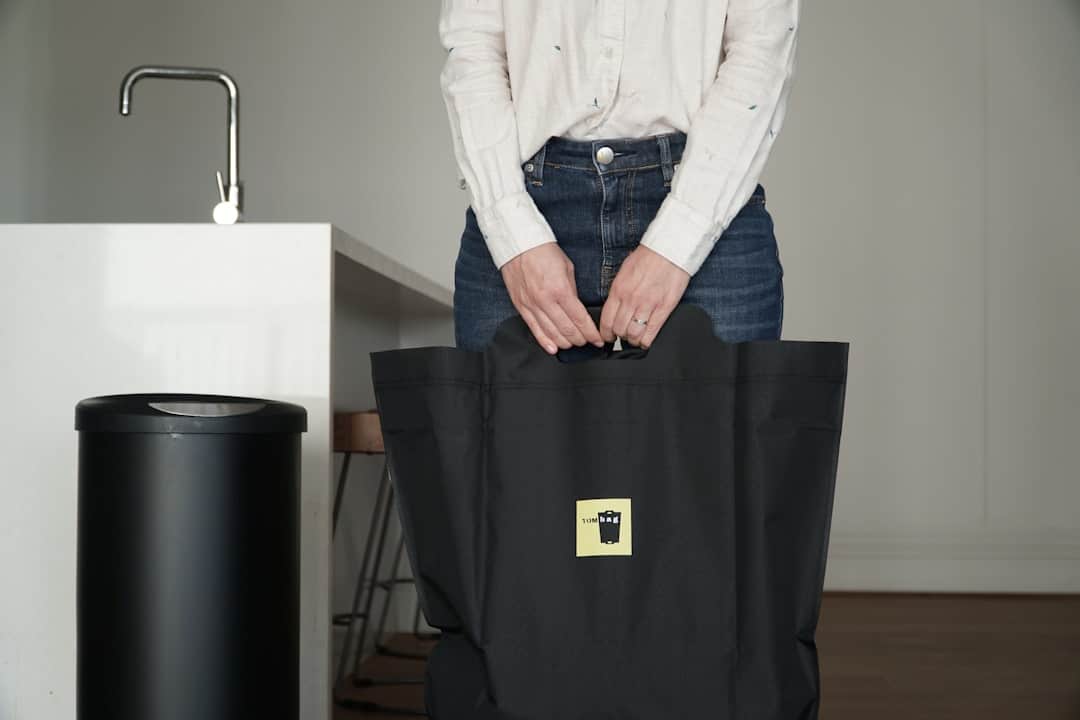
Your kitchen is probably one of the sneakiest sources of waste in your whole house — plastic packaging, paper towels, cling wrap, zip-lock bags that get used once and tossed. I used to feel genuinely guilty every time I took out the trash. But here’s what actually helped me: I stopped trying to fix everything at once. Just swap things out as they run out. Replace them with something better. That’s it.
1. Beeswax Wraps Instead of Cling Wrap
Cling wrap is basically unrecyclable, and it’ll be sitting in a landfill long after all of us are gone. Beeswax wraps are the swap I made first, and honestly? I was surprised how well they work. You just warm them up with your hands and they mold right around a bowl or half an avocado. They’re washable, they hold up for close to a year with normal use, and when they’re finally done, they’re fully compostable. My husband thought they were weird at first. Now he uses them without thinking twice.
2. Cloth Produce Bags Instead of Plastic Ones
Those flimsy plastic bags in the produce aisle? You use them for maybe ten minutes total before they end up in a landfill. Mesh or cotton produce bags are a direct swap — they’re light enough that the tare weight barely matters at checkout, you can see exactly what’s inside, and you just throw them in the wash when they get grungy. I’ve had the same set for three years now.
3. A Bamboo Compost Bin
Food scraps are a massive chunk of what most households throw away, and basically all of it can be composted instead. A small countertop compost bin makes it so easy — you’re already standing at the counter chopping stuff, so you just scrape it straight in. Look for bamboo or stainless steel with a charcoal filter built in. The charcoal filter is the part that actually keeps your kitchen from smelling like a farm.
4. Reusable Silicone Bags Instead of Zip-Locks
Silicone bags have come a long way. I use mine for freezing soup, marinating chicken, packing my kid’s lunch — everything I used to use zip-locks for. They go in the dishwasher, they’re safe in the oven, and a good set will last you years. Yes, they cost more upfront. But when you’re not buying a new box of zip-locks every few weeks, the math shifts pretty fast. You can find a solid set of silicone bags for around $15–$20.
5. Bamboo or Loofah Dish Scrubbers
This one surprised me a little. Regular plastic scrubbers shed microplastics every single time you use them — straight into your water, straight down the drain. Bamboo-based scrubbers and natural loofah ones scrub just as well, they’re completely plastic-free, and when they’re worn out you toss them in the compost. Simple swap, zero drama.
6. Bulk Buying and Glass Storage
Switching to bulk bins for grains, nuts, spices, and pantry staples cuts down on packaging waste more than almost anything else I’ve done. You bring your own containers or bags, fill them up, and store everything at home in glass jars. Glass is airtight, stackable, and basically lasts forever. I actually tried reorganizing my pantry this way last winter and it was one of those things where you wonder why you waited so long.
7. Castile Soap Instead of Multiple Cleaners
At one point I counted seven different plastic bottles under my kitchen sink. Seven. Castile soap is concentrated and plant-based, and it genuinely does all those jobs. Diluted with water in a spray bottle, it’s a surface cleaner. Full strength on a sponge, it’s dish soap. One big bottle — usually around $10–$14 — replaces most of what you’ve got under there and lasts for months.
8. Reusable Coffee Filters
Paper coffee filters are easy to forget about because they feel so small, but they add up fast. A stainless steel or cloth reusable filter works perfectly well, and you’ll never run out at 7am again. Or honestly, consider just switching to a French press — no filter at all, the grounds go straight to compost, and most people find the coffee actually tastes richer. I made that switch two years ago and haven’t looked back.
9. Unpaper Towels
Cutting paper towel use was one of those swaps I kept putting off, and I have no idea why. A stack of cloth napkins or bamboo reusable towels handles almost every job — spills, wiping counters, drying hands. I keep a little basket of them right on the counter so they’re just as easy to grab as the paper roll used to be. They go in with the regular laundry. Totally worth it.
10. Bar Soap for Dishes
Solid dish soap bars are something I didn’t expect to like as much as I do. No plastic bottle, lasts longer than liquid soap, lathers well, and cuts through grease just fine. It felt a little old-fashioned at first — and then I realized that’s kind of the point. Sometimes the older, simpler version of something was already the better option.
Final Thoughts
Ten swaps, and not a single one of them requires turning your life upside down. Pick whichever one feels most doable right now — just one — and start there. That small baby steps win tends to make the next swap feel easier, and before long your trash can is noticeably lighter and you’re not even thinking about it anymore. I started with beeswax wraps. What’s yours going to be? Drop it in the comments, I genuinely want to know.
Check out our other eco-friendly guides.