Zero Waste Kitchen: 10 Easy Swaps to Start Today
Build a zero waste kitchen with 10 easy swaps, from beeswax wraps to cloth napkins, simple changes you can make as things run out without overhauling everything.

Your kitchen is probably one of the sneakiest sources of waste in your whole house, between plastic packaging, paper towels, cling wrap, and zip-top bags that get used once and tossed. I used to feel genuinely guilty every time I took out the trash. But building a zero waste kitchen turned out to be far less overwhelming than I expected once I stopped trying to fix everything at once.
Here's what actually helped: just swap things out as they run out, and replace them with something better. That's it. Here are ten swaps to start with.
Wrapping and Storage Swaps
The plastic that wraps and stores your food is the easiest place to begin.
1. Beeswax Wraps Instead of Cling Wrap
Cling wrap is basically unrecyclable, and it'll be sitting in a landfill long after all of us are gone. Beeswax wraps are a reusable, moldable alternative that seals around bowls and covers cut produce using just the warmth of your hands. Rinse in cool water and they last about a year.
2. Silicone or Glass Bags Instead of Zip-Tops
Reusable silicone bags and glass containers handle everything single-use plastic bags do, from freezer storage to leftovers, and you wash and reuse them for years.
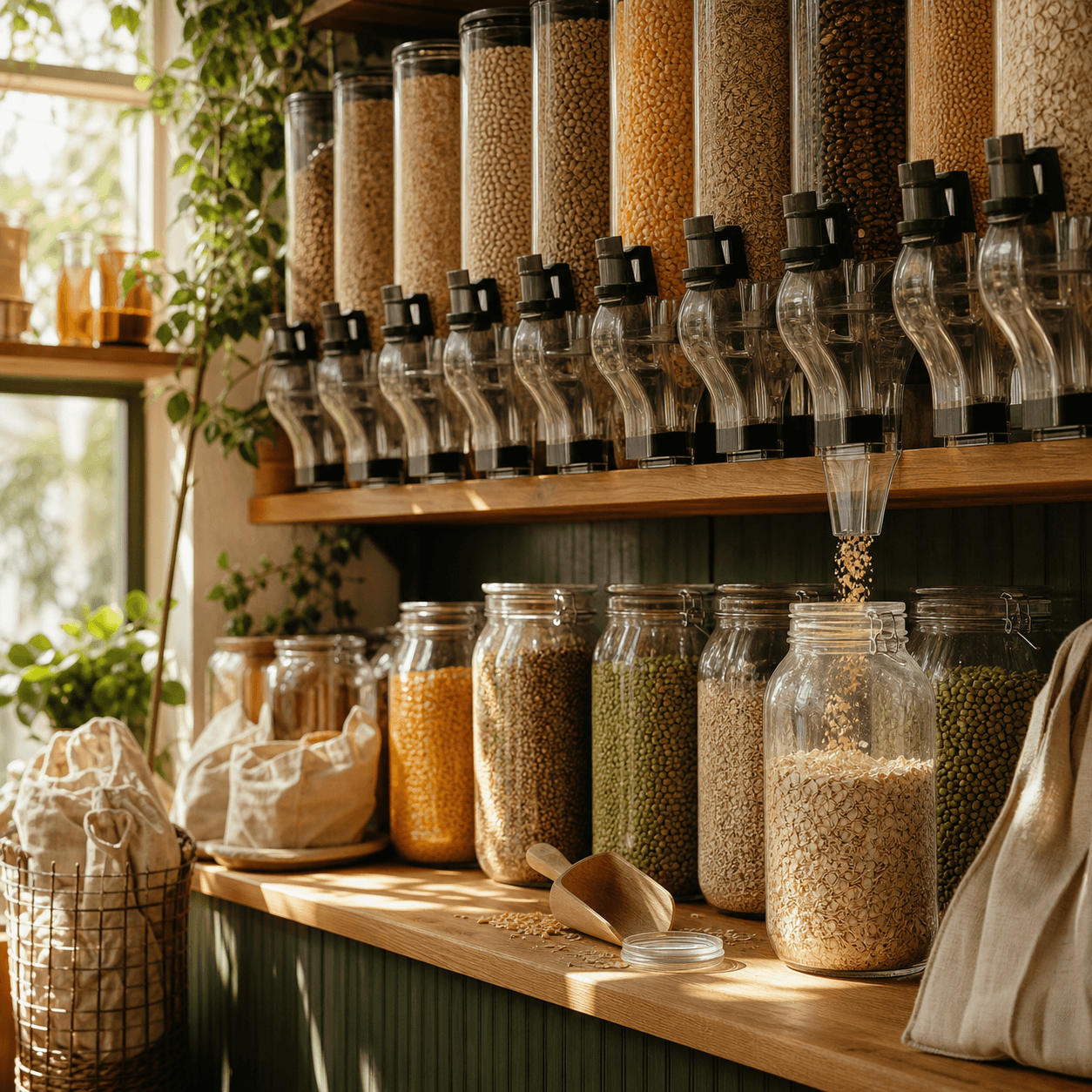
3. Glass Jars for Bulk and Leftovers
Save your empty jars. They're perfect for storing dry goods, leftovers, and pantry staples, and they let you shop the bulk bins without any packaging at all.
Cleaning and Everyday Swaps
These are the daily-use items that quietly generate the most trash.
- 4. Cloth napkins instead of paper, softer, reusable, and endlessly washable
- 5. Unpaper towels or rags instead of paper towels, a stack of cut-up cloths handles almost every spill
- 6. A dish brush with a replaceable head instead of plastic sponges that shed microplastics
The goal isn't a spotless, waste-free kitchen overnight. It's replacing the throwaway habit with a reusable one, one item at a time.
Shopping and Sourcing Swaps
Where and how you shop shapes how much waste ever reaches your kitchen.
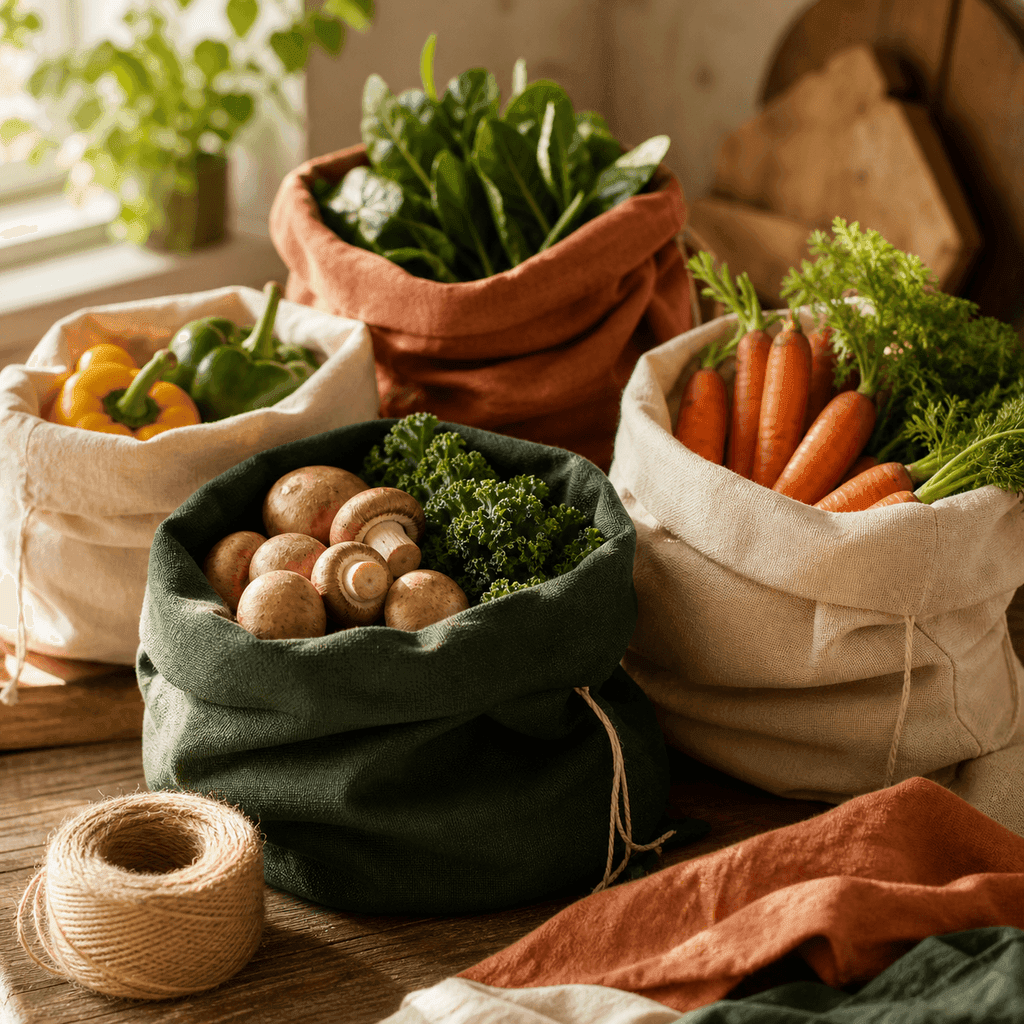
7. Cloth Produce Bags
Skip the flimsy plastic bags in the produce aisle. Lightweight cloth or mesh bags carry apples, greens, and bulk items just as well, and they weigh almost nothing at checkout.
8. A Reusable Water Bottle and Coffee Cup
A single sturdy bottle and a travel mug spare you countless disposable cups and plastic bottles over a year. This one swap alone adds up fast.
9. Buy Loose and in Bulk
Choosing loose produce and bulk-bin staples over pre-packaged versions cuts packaging before it ever comes home. Bring your jars and cloth bags and fill only what you need.
Closing the Loop
10. Start a Compost Bin
Food scraps are a huge share of kitchen waste, and they don't belong in the trash. A small countertop bin for peels, coffee grounds, and trimmings, emptied into a backyard pile or a curbside compost program, turns waste into soil instead of landfill methane.
Small Steps, Real Impact
None of these swaps is dramatic on its own, but together they shrink your kitchen's footprint quickly. Pick two or three that sound easy, start there, and add more as your old supplies run out.
Progress beats perfection every single time. A zero waste kitchen isn't about guilt or getting it all right. It's about making the better choice a little more convenient than the wasteful one, and letting that momentum carry you forward.
Emily Bennett
Zero-Waste Home Writer
Emily focuses on the low-waste home — refills, natural cleaning, and calm, clutter-free swaps that actually stick. She believes greener living should feel good. More from Emily →