
What Can You Compost? The Complete Guide

Quick Answer: All of these go freely in any composting system: vegetable peels and scraps, fruit skins and cores, coffee grounds and paper filters, loose leaf tea and plastic-free tea bags, eggshells, bread and… Honestly, “can I compost this?” is probably the question I get asked more than anything else. And the answer really does … Read more

How to Start Composting at Home for Beginners

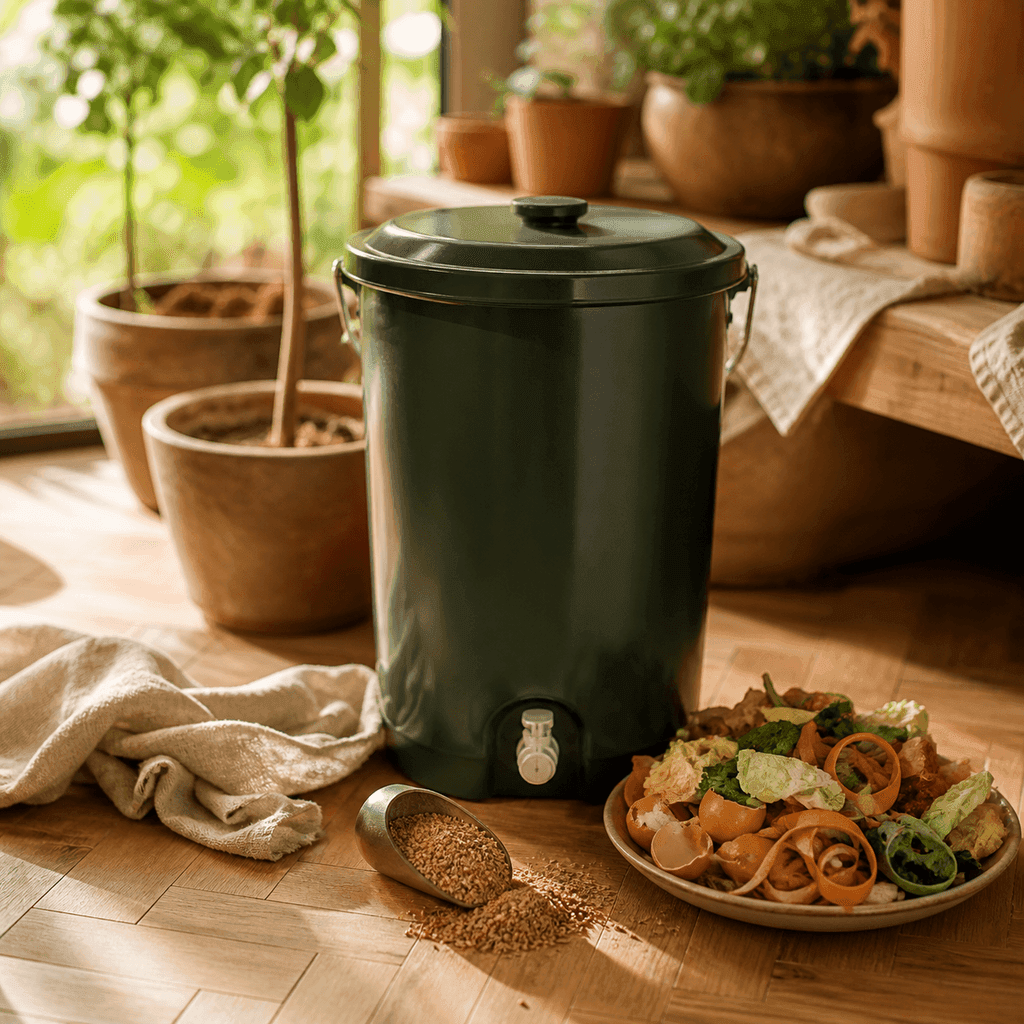
Quick Answer: Food waste in landfills decomposes without oxygen, producing methane — a greenhouse gas roughly eighty times more potent than carbon dioxide over a twenty-year period. When composted properly, those same scraps become rich soil amendment that your garden will absolutely love. Composting is one of those things that sounds way more complicated than … Read more

How to Build a Zero Waste Pantry Step by Step

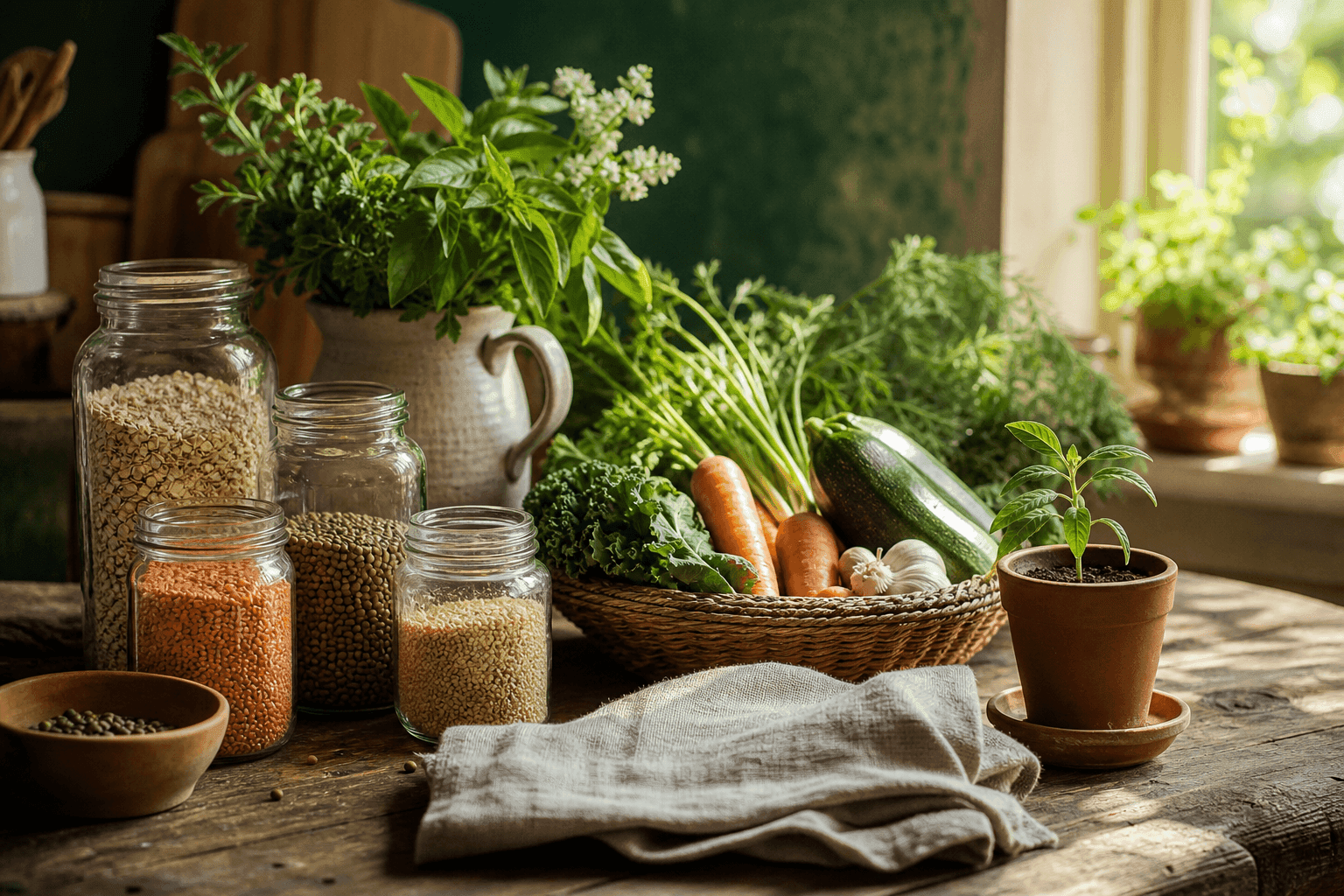
Quick Answer: Before you change a single thing, pull everything out and actually look at what you have. What do you cook with every week? What’s been hiding behind the quinoa since last January? Use up or donate the stuff you never reach for before you start building a new system — otherwise you’re just … Read more

Eco-Friendly Sponge Alternatives That Actually Work Better

Quick Answer: Loofah is not a sea creature — it’s actually the dried interior of a gourd plant. And it makes a surprisingly great kitchen scrubber: natural, biodegradable, plastic-free, and genuinely tough on dishes and grimy stovetops. That standard yellow sponge sitting by your sink? It’s made from polyurethane foam — basically petroleum-based plastic. It’s … Read more

How to Deep Clean Your Kitchen the Eco-Friendly Way

“`html Quick Answer: White vinegar, baking soda, liquid castile soap, and hot water. That’s your entire cleaning arsenal. Keep them all in your under-sink cabinet and you’re covered for every kitchen cleaning task. Deep cleaning the kitchen used to mean hauling out a whole lineup of sprays and ending up with burning eyes and a … Read more

Eco-Friendly Dish Soap: What to Look for and Top Picks

Quick Answer: Genuinely eco-friendly dish soap has plant-derived surfactants rather than petroleum-derived ones, biodegrades completely, contains no synthetic fragrances or artificial dyes, comes in recyclable or… Most conventional dish soaps are loaded with synthetic surfactants and fragrances that quietly wreak havoc on aquatic ecosystems — and we’re literally rinsing them down the drain every single … Read more