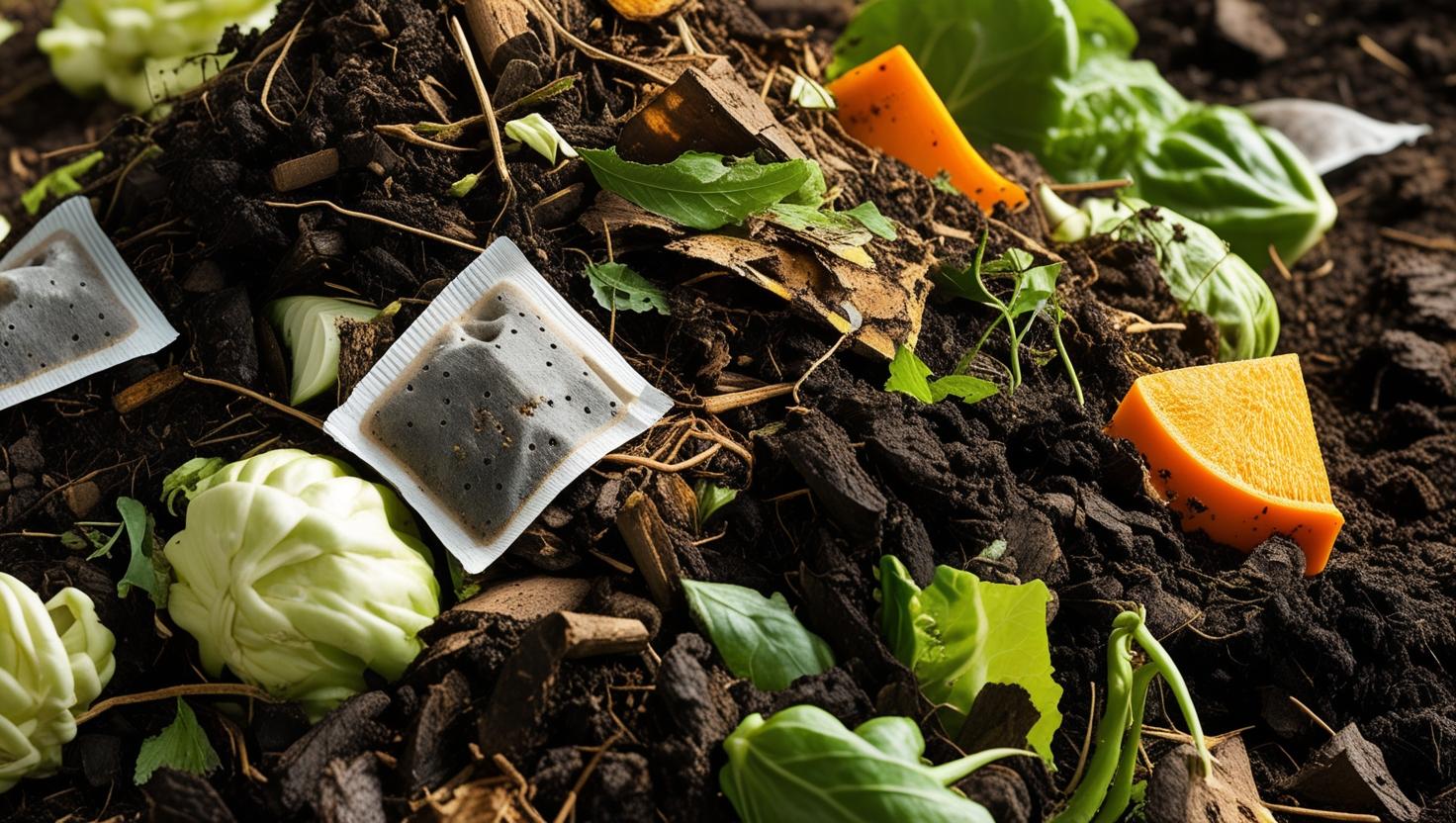
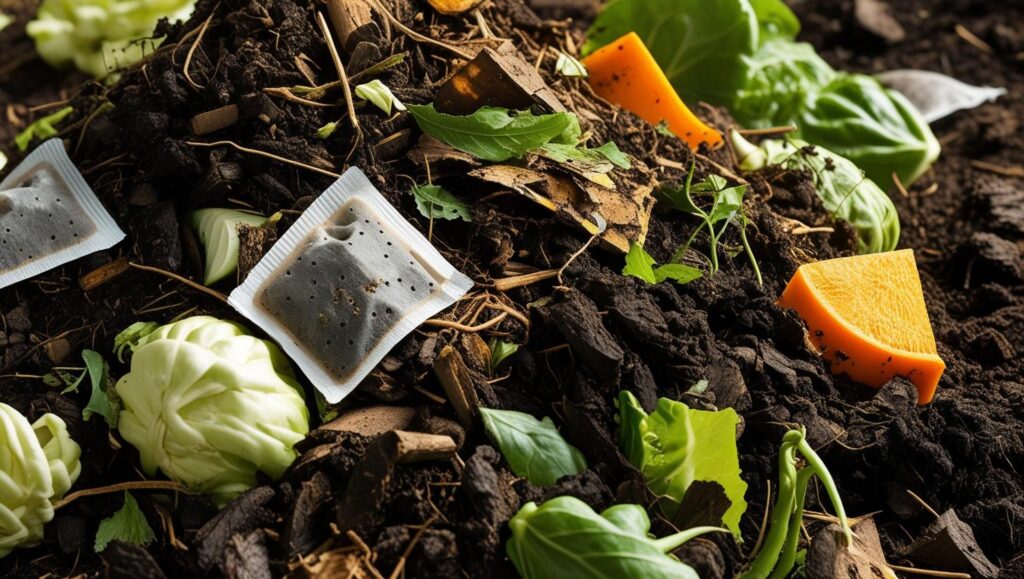
How to Compost Tea Bags: An Earth-Friendly Practice
Tea lovers rejoice! Your daily cuppa can do more than just energize your mornings – those used tea bags can become a valuable resource for your garden. Composting tea bags is one of the simplest ways to reduce kitchen waste while creating nutrient-rich organic matter for your plants. This comprehensive guide will walk you through everything you need to know about composting tea bags effectively, safely, and in an environmentally responsible way.
Understanding Tea Bag Composition: What Can and Can’t Be Composted
Before tossing your used tea bags into the compost bin, it’s crucial to understand what they’re made of. Not all tea bags are created equal when it comes to composting.
Tea Bag Materials Explained
Modern tea bags come in various materials, each with different composting properties:
- Biodegradable tea bags: These will break down into organic matter under the right conditions but may require industrial composting facilities
- Compostable tea bags: These are suitable for industrial composting (via food waste caddies) and sometimes for home composting if certified
- PLA (Polylactic Acid): A plant-based, biodegradable biopolymer made from renewable sources like corn that requires specific conditions to break down
- Certified home compostable: Made from 100% plant materials without plastic or bioplastic (PLA), designed to break down in home compost heaps
- 100% Plant-based: May contain PLA biopolymers that typically require industrial composting
- Plastic-based (polypropylene): Fossil-fuel plastics that don’t break down and should be kept out of compost entirely
How to Identify Compostable Tea Bags
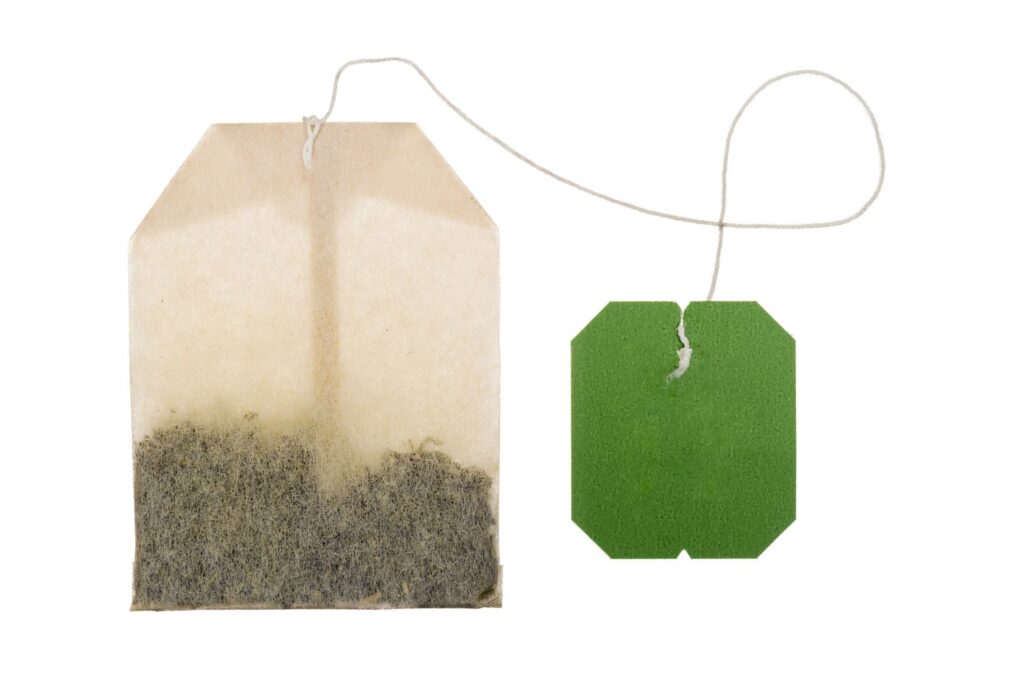
Check the packaging for terms like “biodegradable,” “plastic-free,” “fully plant-based,” or “compostable.” If the box doesn’t state this clearly, the bags likely contain polypropylene and aren’t suitable for composting . Dragonfly Tea, for example, offers string & tag tea bags that are certified home-compostable, while their pillow and pyramid bags are biodegradable and industrially compostable . how to compost tea bags
The Science Behind Composting Tea: Why It’s Beneficial
Used tea leaves are nitrogen-rich “greens” that help balance the carbon in your compost pile . They contain valuable nutrients that benefit plants:
- Potassium and phosphorus: Essential nutrients for plant growth found in steeped tea leaves
- Tannins: Chemical compounds that may help protect plants from fungal or bacterial infections
- Tannic acid: Acts as a fertilizer that increases nitrogen uptake by plants
Research shows that caffeine present in used tea leaves is highly soluble, with most being extracted during brewing. While some residual caffeine remains, it’s generally harmless to plants in small quantities and may even provide benefits . As long as tea leaves make up less than 20% of your compost heap, caffeine accumulation shouldn’t be a concern .
Step-by-Step Guide to Composting Tea Bags at Home
Method 1: Composting Whole Tea Bags (For Certified Compostable Bags)
- Verify compostability: Ensure your tea bags are certified home compostable (without PLA)
- Remove non-compostable elements: Take out staples, strings, and tags (paper tags can be recycled separately)
- Add to compost pile: Place used tea bags directly in your compost bin
- Aerate: Turn your compost regularly to provide oxygen for decomposition
- Wait: Certified compostable tea bags typically take 3-6 months to break down completely
Tip: Cutting a few holes in the bags before composting can speed up decomposition .
Method 2: Emptying Tea Leaves from Non-Compostable Bags
For tea bags that aren’t fully compostable (containing PLA or polypropylene):
- Collect used tea bags: Keep a container by your kettle for daily collection
- Open bags: Tear open each bag and empty the leaves into your compost pile
- Dispose of bags properly:
- PLA bags: Add to food waste caddy for industrial composting
- Polypropylene bags: Dispose with general waste
- Mix well: Incorporate the tea leaves thoroughly into your compost
Creating a Dedicated Tea Leaf Composting System
Some gardeners maintain a separate small compost bin just for tea leaves and coffee grounds. This creates a concentrated nitrogen-rich compost perfect for acid-loving plants like azaleas, rhododendrons, and blueberries . how to compost tea bags
Advanced Techniques: Making Compost Tea from Used Tea Bags
Beyond traditional composting, you can create a nutrient-rich “tea” from your used tea bags to use as liquid fertilizer:
Simple Tea Bag Fertilizer Recipe
- Boil used tea bags in water
- Allow the mixture to cool completely
- Use as a weak fertilizer for acid-loving plants like azaleas, ferns, and hydrangeas
Enhanced Compost Tea Recipe
For a more potent brew that includes beneficial microorganisms:
- Combine used tea leaves with finished compost in a mesh bag (an old sock or cheesecloth works well)
- Steep in non-chlorinated water for 24-48 hours (aerated with an aquarium pump if possible)
- Strain and dilute (1:10 ratio with water) before applying to plants
Note: Always use non-chlorinated water and clean equipment to avoid harmful microorganisms .
Creative Uses for Used Tea Bags in the Garden
Beyond composting, tea bags have several innovative gardening applications:
- Seed starters: Poke holes in used tea bags, add seeds, and place in upcycled packaging to create mini greenhouses
- Soil amendment: Split open dry used tea bags and sprinkle leaves around plants to improve soil aeration
- Potting mix booster: Add a few used plant-based tea bags when repotting to improve soil quality and moisture retention
- Lawn repair: Soak tea bags and place over bare spots before sowing grass seed for moisture and nutrients
- Chelated iron supplement: Blend dry tea leaves with chelated iron for plants, add water, and use as a nutrient boost
Government and Scientific Research on Composting Tea
While specific government research on tea bag composting is limited, several scientific studies support the benefits of composting organic matter:
- The University of Vermont Extension discusses compost tea’s potential for disease suppression and plant health, though notes variability in results
- Research published in PMC shows that aerated compost tea can promote growth in lettuce, soybean and sweet corn at optimal concentrations
- A 2021 study found that while compost tea application didn’t change bacterial diversity in fields, it contributes nutrients and organic matter
- Washington State University research demonstrates how different compost tea recipes favor different microbial communities
The National Organic Standards Board provides guidelines for safe compost tea production that home composters can adapt, including using only potable water and properly sanitized equipment .
Common Mistakes to Avoid When Composting Tea Bags
- Assuming all tea bags are compostable: Many contain plastics that won’t break down
- Forgetting to remove staples and tags: These can contaminate your compost
- Using chlorinated water for compost tea, which can kill beneficial microbes
- Adding too many tea leaves: Keep below 20% of total compost volume to prevent caffeine buildup
- Neglecting aeration: Tea bags may clump together, slowing decomposition
Environmental Impact: Why Composting Tea Bags Matters
With Britons reportedly drinking 100 million cups of tea daily , proper tea bag disposal has significant environmental implications:
- Reduces landfill waste: Organic matter in landfills produces methane, a potent greenhouse gas
- Recycles nutrients: Returns valuable minerals to the soil instead of wasting them
- Decreases plastic pollution: Proper disposal of non-compostable bags prevents microplastic contamination
- Supports soil health: Adds organic matter that improves soil structure and water retention
Troubleshooting Common Tea Composting Issues
Problem: Tea bags remaining intact in finished compost
Solution: Use only certified home compostable bags or remove leaves from non-compostable bags
Problem: Foul odors from tea compost
Solution: Ensure proper balance of greens (tea leaves) and browns (dry leaves, paper), and turn pile regularly
Problem: Mold growth on tea bags
Solution: Bury tea bags deeper in the pile and maintain proper moisture levels
Problem: Pests attracted to tea compost
Solution: Cover food scraps (including tea) with browns, and consider a closed bin system
Final Thoughts: Making Tea Bag Composting Part of Your Routine
Incorporating tea bag composting into your daily routine is one of the simplest sustainable practices you can adopt. By understanding what types of tea bags are compostable, properly preparing them for your compost bin, and exploring creative uses in the garden, you can transform your tea habit into an earth-friendly practice.
Remember the words of one Dragonfly Tea enthusiast: “I keep a beautiful ceramic pot by the kettle, which I use to collect my used tea bags over the course of each day. In the evening, I spend a couple of minutes tearing open the bags and emptying the tea leaves into a pile, which I then add to my compost bin” . This simple routine demonstrates how easy it can be to reduce waste and nourish your garden simultaneously.
Whether you’re an avid gardener looking to boost your plants’ health or simply someone wanting to reduce their environmental footprint, composting tea bags offers tangible benefits. By following the guidelines in this article, you can ensure your tea time continues to bring joy – not just to you, but to your garden and the planet as well.
How to Compost Tea Bags How to Compost Tea Bags How to Compost Tea Bags How to Compost Tea Bags
You can check Gov Blog for more idea here
For More Blogs related to USA’s Sustainability Living Click here