How to Compost Tea Bags at Home: Everything You Need to Know
Everything you need to know about how to compost tea bags at home, including which bags contain hidden plastic and how to compost them the right way.
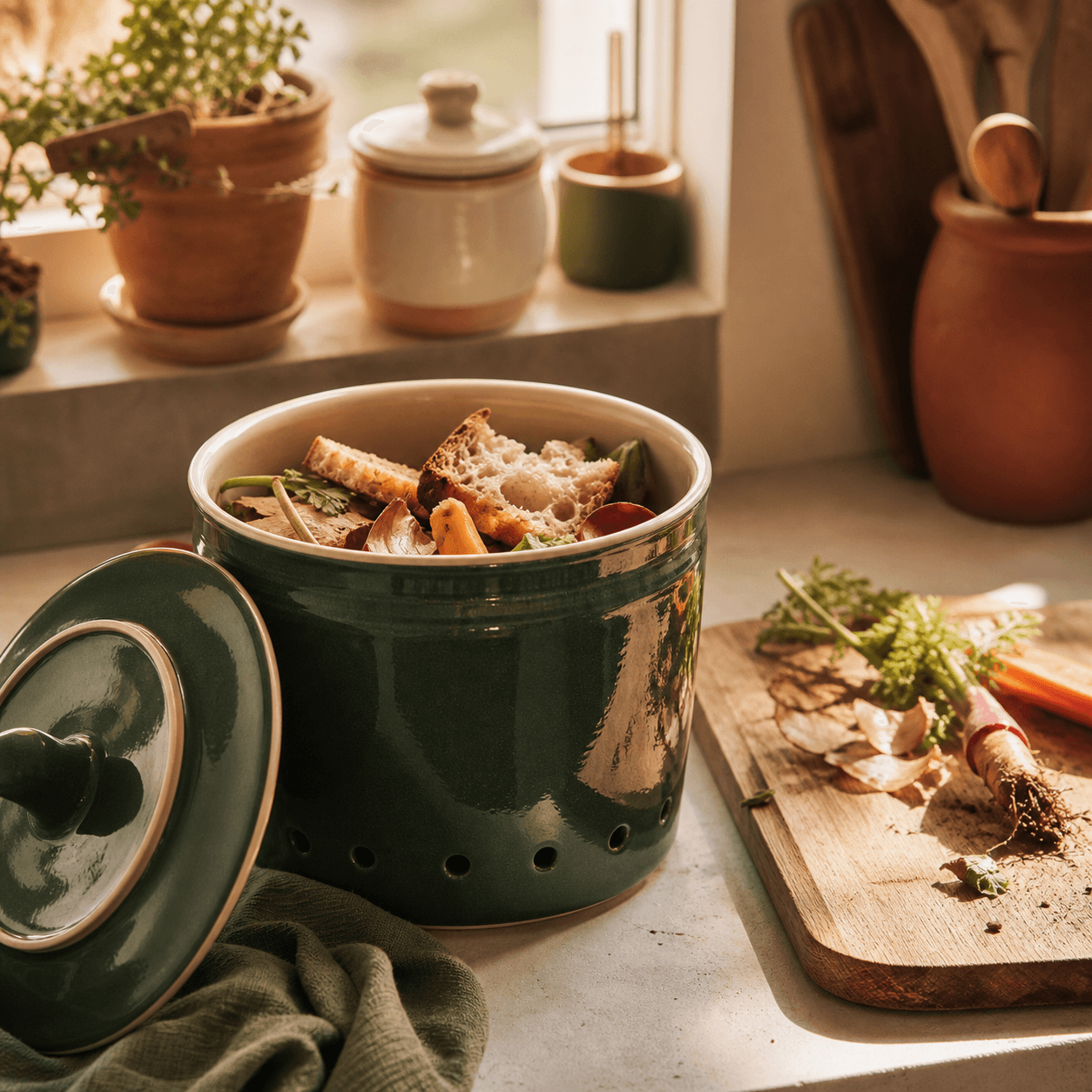
I toss a tea bag into my compost bin almost every morning without thinking twice. It feels like such a small, responsible thing to do. But here's the uncomfortable truth I learned a couple of years ago: depending on the brand, you might actually be adding plastic to your garden soil. Learning how to compost tea bags at home properly is worth a few minutes, because getting it wrong quietly defeats the whole point.
The Problem With Most Commercial Tea Bags
Here's what genuinely surprised me. Many standard tea bags contain polypropylene, a type of plastic, woven into the paper or used to heat-seal the seams during manufacturing. That plastic keeps the bag from falling apart in hot water, but it also means the bag never fully breaks down in a home compost pile.
Even after months of composting, you'll often find a thin, ghostly mesh skeleton left behind where the bag used to be. That's the plastic, and it eventually crumbles into microplastics that end up right where you grow your food.
The really sneaky part is that these bags are often labeled "biodegradable" or "natural," which refers to the tea and paper, not the plastic seal.
How to Tell If Your Tea Bags Are Compostable
Before you compost, do a little detective work:
- Check the packaging for words like "plastic-free," "fully compostable," or "made without polypropylene." Some brands now state this clearly.
- Feel the empty bag. After steeping, rub it between your fingers. A slightly slick, plasticky texture or a bag that won't tear easily is a red flag.
- Do a tear test. Genuine paper, hemp, and cotton bags rip cleanly. Plastic-sealed ones resist and stretch.
- Watch out for silky pyramid bags. Those often used to be nylon or PET plastic, though a few are now made from plant-based PLA mesh, which needs industrial composting, not a backyard pile.
When you're not sure whether a bag is plastic-free, don't guess. Just snip it open, tip the loose leaves into your compost, and toss the empty bag in the trash. The tea is the good part anyway, and this one habit keeps microplastics out of your soil entirely.
How to Compost Tea Bags the Right Way
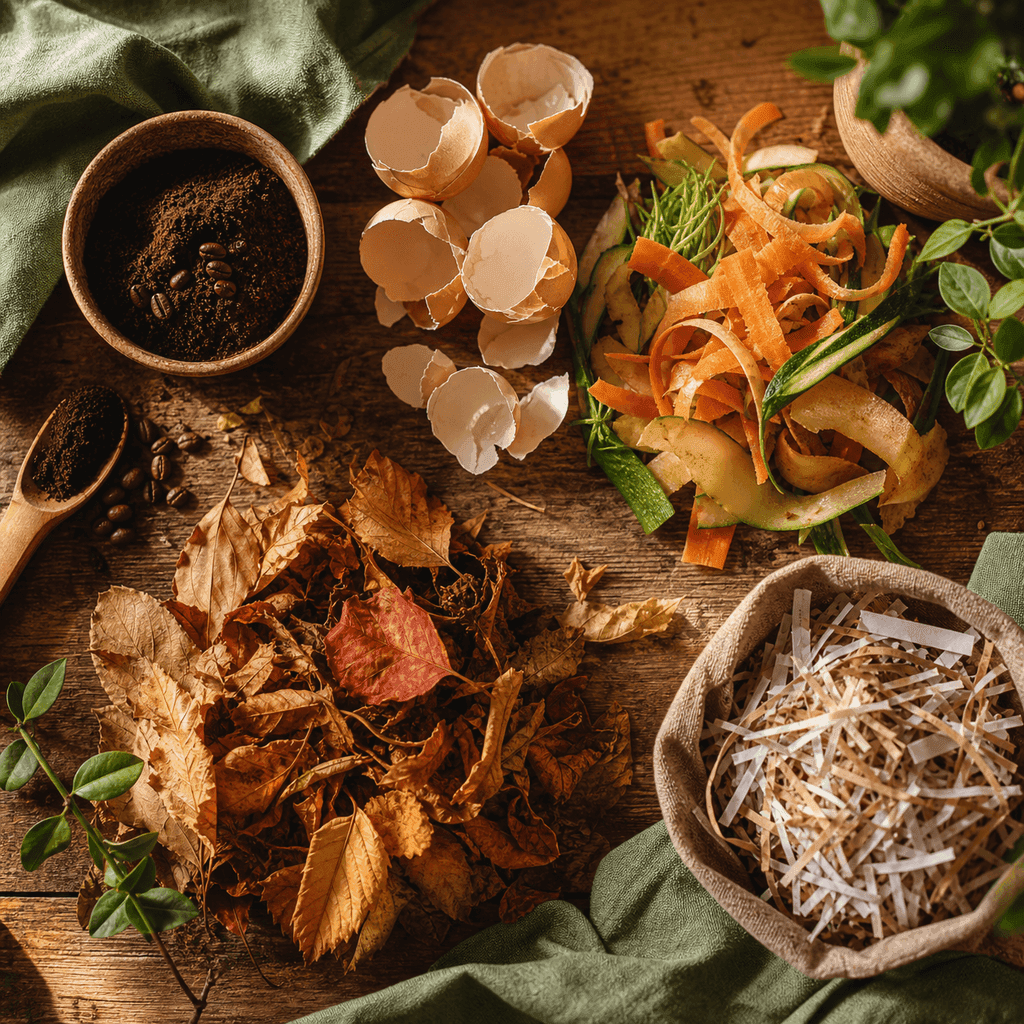
Once you've confirmed your bags are truly plastic-free, composting them is easy. Tea leaves are a nitrogen-rich "green" that microbes and worms love.
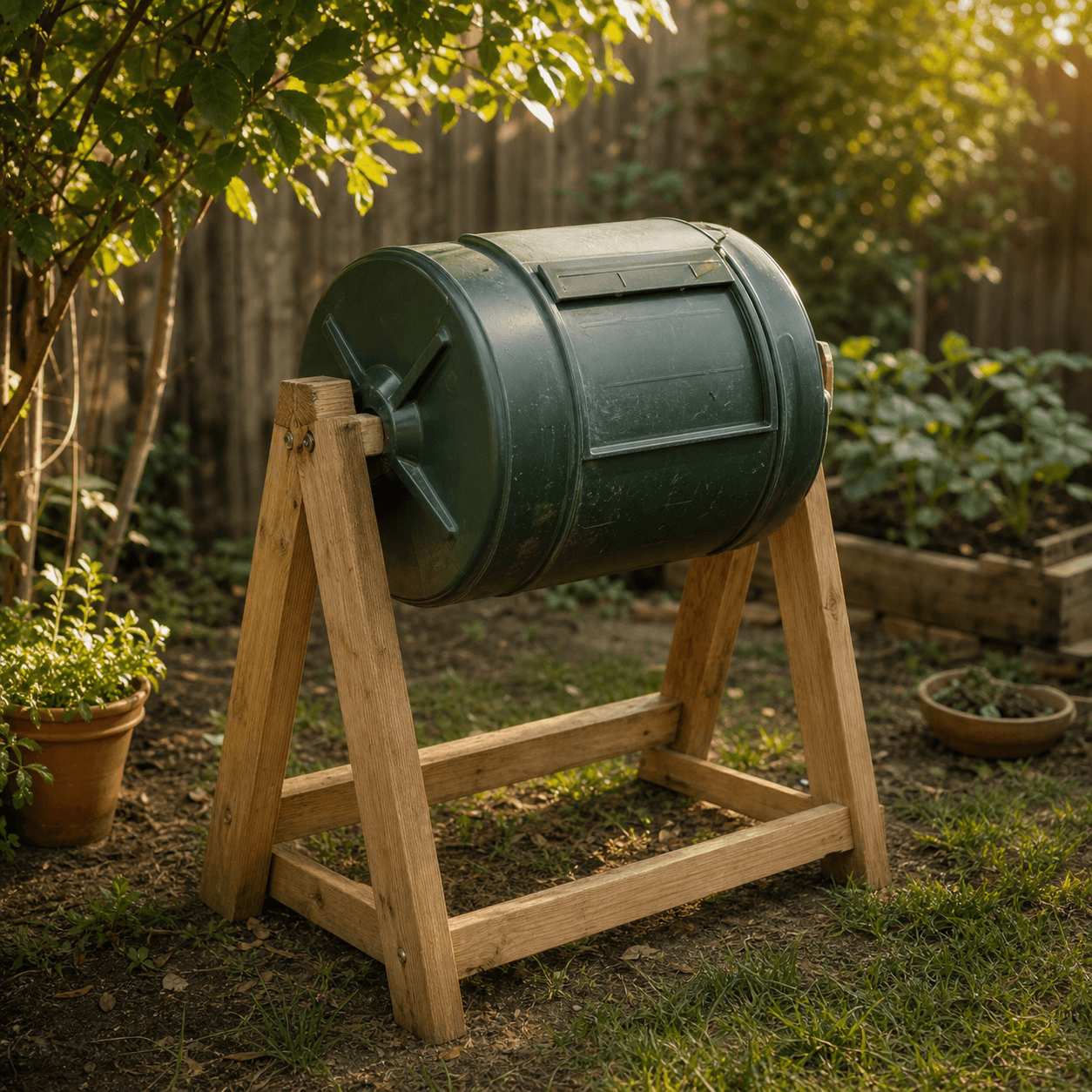
In a Backyard Pile
- Remove any staple, string tag, or metal crimp first
- Tear the bag open or toss it in whole if it's confirmed compostable
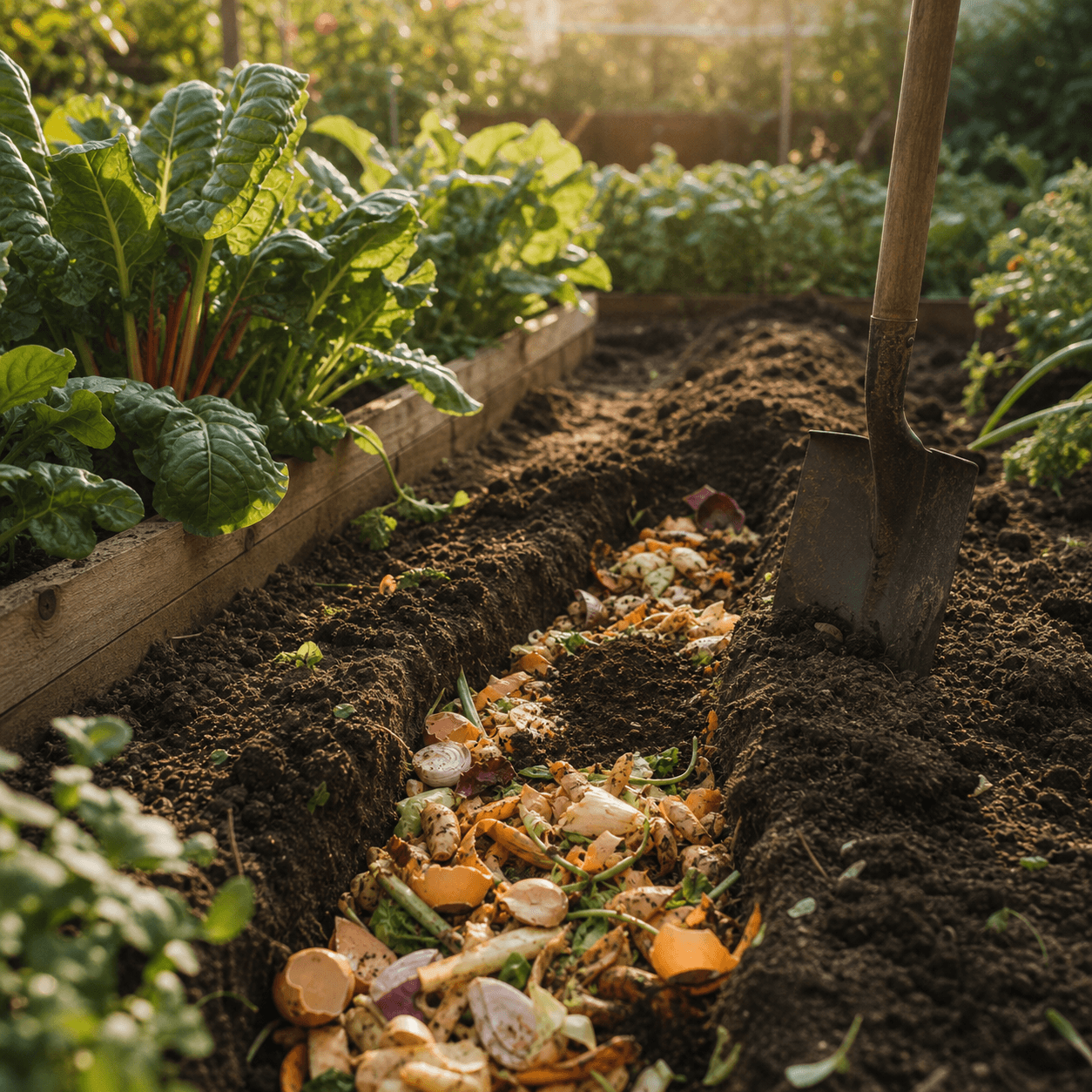
- Bury it in the pile rather than leaving it on top, so it stays damp and breaks down faster
- Balance it with dry "browns" like leaves or shredded cardboard
In a Worm Bin
Worms are big fans of used tea leaves. Empty the leaves in loose, skip the bag unless you're certain it's plant fiber, and don't overload the bin at once.
What About the String and Tag?
Even a good compostable bag usually comes with extras that don't belong in your pile:
- Staples are metal and should be pulled off and recycled or trashed
- Paper tags can go in if they're uncoated, but glossy printed ones should not
- Strings are often cotton and compostable, but check, since some are synthetic
The Bottom Line
Yes, you can compost tea bags at home, as long as they're genuinely plastic-free. The trouble is that plenty of popular brands still hide polypropylene in the seams, so a quick check saves you from seeding microplastics into your garden. When in doubt, compost the leaves and skip the bag, or move to loose leaf entirely. It's the surest way to keep your daily cup of tea as clean for the soil as it is for you.
Frequently Asked Questions
Can you compost tea bags?
Yes, but only plastic-free ones. Bags made from unbleached paper, hemp, or genuine plant fiber break down fine. Many mainstream bags are heat-sealed with polypropylene plastic that never composts, so when in doubt, snip the bag open and compost just the loose leaves.
Which tea bags contain plastic?
A lot of everyday paper bags use a thin polypropylene layer to seal the edges, and many silky pyramid or mesh bags are made of nylon or PET plastic. Some newer pyramid bags are plant-based PLA, which only breaks down in an industrial composter, not a backyard pile.
How can I tell if my tea bags are compostable?
Check the box for wording like plastic-free or unbleached, then tear a used bag open. Paper fibers pull apart and feel soft; a plastic seal leaves a thin, shiny, stretchy strip along the seam that won't tear cleanly. If you see that sheen, compost the leaves only.
How long do tea bags take to compost?
Loose leaves and thin paper bags usually break down in one to three months in an active compost pile. Tearing the bag and burying it in the warm center speeds things up. Any plastic content will still be sitting there long after everything else has turned to soil.
What about the string, tag, and staple?
Plain cotton string and an uncoated paper tag can go in the compost. Remove any metal staple, and skip glossy or printed tags, since those often have a plastic coating. If it is quicker, just cut the leaves loose and toss the string and tag in the trash.
James Carter
Composting & Soil Specialist
James is a lifelong allotment grower who's happiest with a fork in a compost heap. He covers composting, soil health, and closing the loop in the garden. More from James →