How to Use a Bamboo Steamer for the First Time: Complete Beginner Guide
A complete beginner guide to using a bamboo steamer for the first time, covering soaking, setup, cook times, and care so your first meal turns out perfectly.
If you just unboxed a bamboo steamer and have absolutely no idea where to start, same. I stood in my kitchen staring at mine for a solid ten minutes the first time, genuinely unsure whether I was supposed to soak it, season it, or just wing it. Learning how to use a bamboo steamer for the first time turned out to be far simpler than I feared, and spoiler, you soak it first.
Here's everything I wish someone had told me, start to finish.
What Is a Bamboo Steamer?
A bamboo steamer is a traditional Asian cooking tool made from natural bamboo, built as a stackable basket with a woven lid. You set it over a wok or pot of simmering water, and steam rises up through the slats to cook food gently and evenly.
Unlike a metal steamer, the woven bamboo lid absorbs excess condensation instead of letting it drip back down onto your food. That's why steamed buns and dumplings come out fluffy rather than soggy. It's a genuinely clever, low-tech design that's been refined over centuries.
Getting It Ready the First Time
Before your first meal, give the steamer a quick rinse and a soak.
- Rinse the basket and lid under warm water to clear any dust or manufacturing residue
- Soak the steamer in warm water for 20 to 30 minutes so the bamboo absorbs moisture evenly
- Let it drip off before you set it over heat
That short soak helps the bamboo handle steam without scorching or cracking on day one. Skip the soap, since porous bamboo will hold onto detergent flavors.
Setting Up Your Steamer
Now for the actual cooking. This part is quick.
1. Add the Water
Fill your pot or wok with about an inch of water, enough to make steam but not so much that it touches the bottom of the basket. Bring it to a gentle simmer, not a rolling boil.
2. Line the Basket
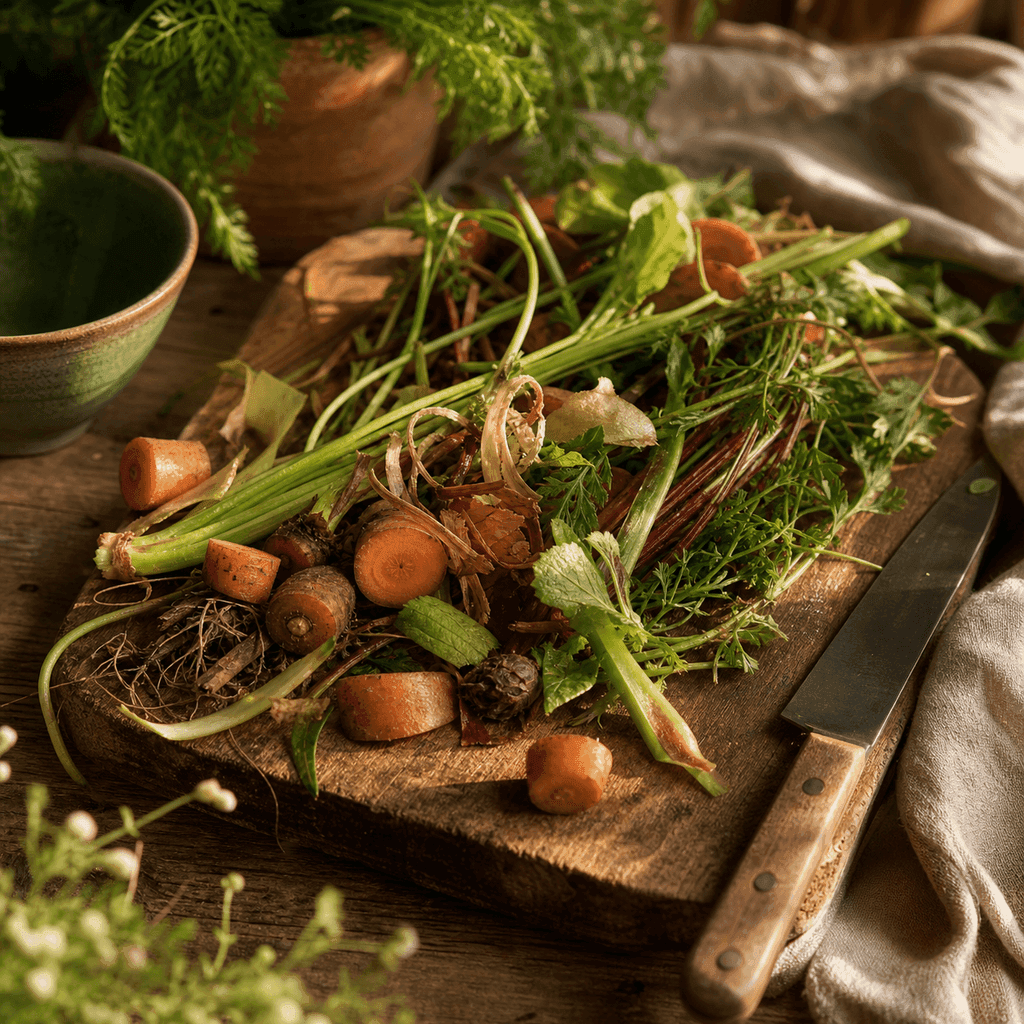
Line the bottom with parchment, a cabbage leaf, or thin carrot rounds so food doesn't stick to the fresh slats and nothing falls through.
3. Arrange and Cover
Lay your food in a single layer with a little space between pieces so steam can circulate. Pop on the woven lid, set the basket over the simmering water, and let it cook.
The single most common beginner mistake is too much water at too hard a boil. You want a steady simmer, not a splashing pot. Gentle steam does all the work.
Cook Times to Start With
Every food is a little different, but these give you a reliable starting point:
- Leafy greens: 2 to 3 minutes
- Dumplings: 8 to 12 minutes
- Fish fillets: 8 to 10 minutes
- Chicken pieces: 12 to 15 minutes
- Baby potatoes: 15 to 20 minutes
Keep an eye on the water level if you're steaming longer than 10 minutes, and add a splash of hot water if it runs low. A dry pot will scorch the bottom of your steamer.
Caring for It After
Once you're done, rinse the steamer with hot water and a soft brush, skip the soap and dishwasher, and set it somewhere airy to dry completely before storing. Bamboo holds moisture, and a damp steamer sealed in a cabinet is how mold gets started.
Do that faithfully and your steamer will last for years. Honestly, it's one of the most forgiving tools I own, and once it clicks, it really clicks. Soak it, set it up, keep the water simmering, and let it dry. That's the whole beginner's guide in a nutshell.
Olivia Reed
Sustainable Kitchen Writer
Olivia writes about low-waste cooking, plastic-free storage, and getting the most out of every ingredient. She tests every swap in her own small-city kitchen. More from Olivia →