How to Shop at a Farmers Market: Beginner's Guide to Local Food
A beginner's guide to shopping a farmers market: what to bring, how to talk to vendors, and how to shop seasonal local food like a pro.
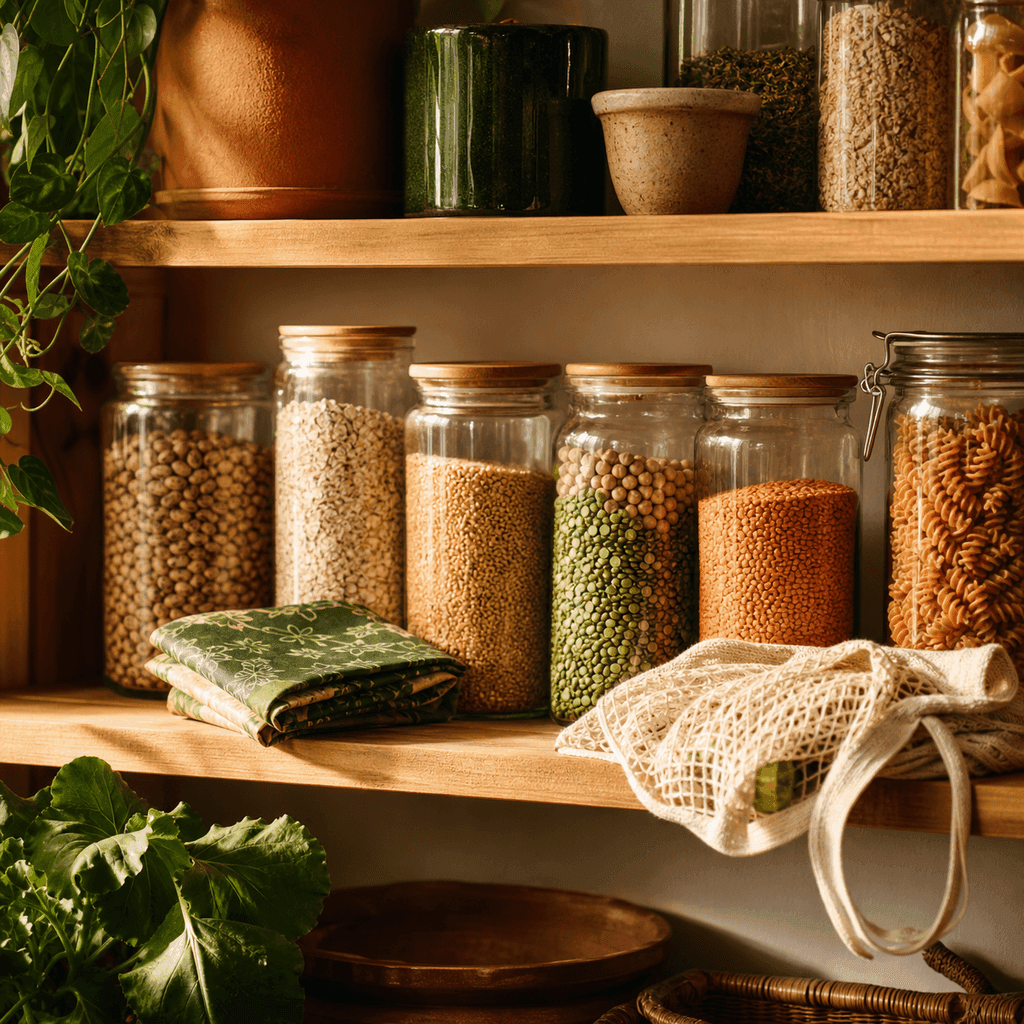
A farmers market is one of the best sustainable food swaps you can actually make, and it doesn't feel like a sacrifice at all. Fresh, local, in-season produce, bought directly from the person who grew it, and most of it comes with zero plastic packaging.
If you've never gone, the whole thing can feel a little mysterious, all cash and canvas bags and vendors who seem to know something you don't. It's simpler than it looks. Here's everything I wish I'd known before my first trip.
Come Prepared
I learned this the hard way my first time, showing up empty-handed and ending up carrying a bunch of kale and a jar of honey in my arms like a chaos goblin. A little prep makes the whole trip smoother.
Pack these before you go:
- A big canvas tote or two for bulkier produce.
- Smaller mesh or cloth bags for loose items like beans or cherries.
- Your own containers for delicate things like berries.
- Cash in small bills, since many vendors still don't take cards.
Bring a bottle of water too, and honestly, come hungry. Half the fun is the samples and the breakfast stalls.
The farmers market runs on cash and small talk. Bring both and you'll shop like a regular by your second visit.
Time It Right
When you arrive changes what you get. Show up early, within the first hour, and you'll have the fullest tables and the widest choice, which matters for the popular items that sell out fast.
Come near closing time instead and you'll often find vendors marking things down rather than hauling them home. If you're flexible about what you cook, that late window can stretch your grocery budget nicely. Just don't expect the full selection.
Talk to the Farmers
This is the part that turns a market from a produce stand into something better. The people behind the tables usually grew what they're selling, and they're a goldmine of information.
Good Questions to Ask
- What's at its peak this week?
- How would you cook this, especially the unfamiliar stuff?
- When will the tomatoes or peaches be in?
Vendors love these questions, and you'll walk away with a recipe idea and a sense of the season. It's also how you discover vegetables you'd never grab in a supermarket.
Make the Most of Your Haul
Local produce is fresher, which is wonderful, but it also hasn't been bred and treated for a long shelf life. Plan to use the tender greens and berries within a few days, and save the sturdier roots, squash, and apples for later in the week.
If you overbuy, which is easy to do when everything looks so good, remember that most of it freezes or preserves well. A glut of summer tomatoes or peppers can be roasted and frozen for a January that will thank you.
Ease Into It
You don't need to replace your whole grocery run on day one. Start with a single trip, buy a few things that catch your eye, and get a feel for the rhythm of your local market and its vendors.
Before long you'll have a favorite tomato guy, a mental map of who has the best eggs, and a fridge full of food that traveled miles instead of thousands. That's local eating at its most enjoyable, and it started with one tote bag and a little cash.
Sarah Mitchell
Founder & Editor
Writer, home cook, and slightly obsessive gardener sharing small, doable ways to live a little lighter. Sarah started Earth Friendly Blogs at her own kitchen table. More from Sarah →