How to Create a Spring Wildlife Garden on Any Budget
Build a spring wildlife garden on any budget by providing four simple elements: food, water, cover, and a safe place to raise young.
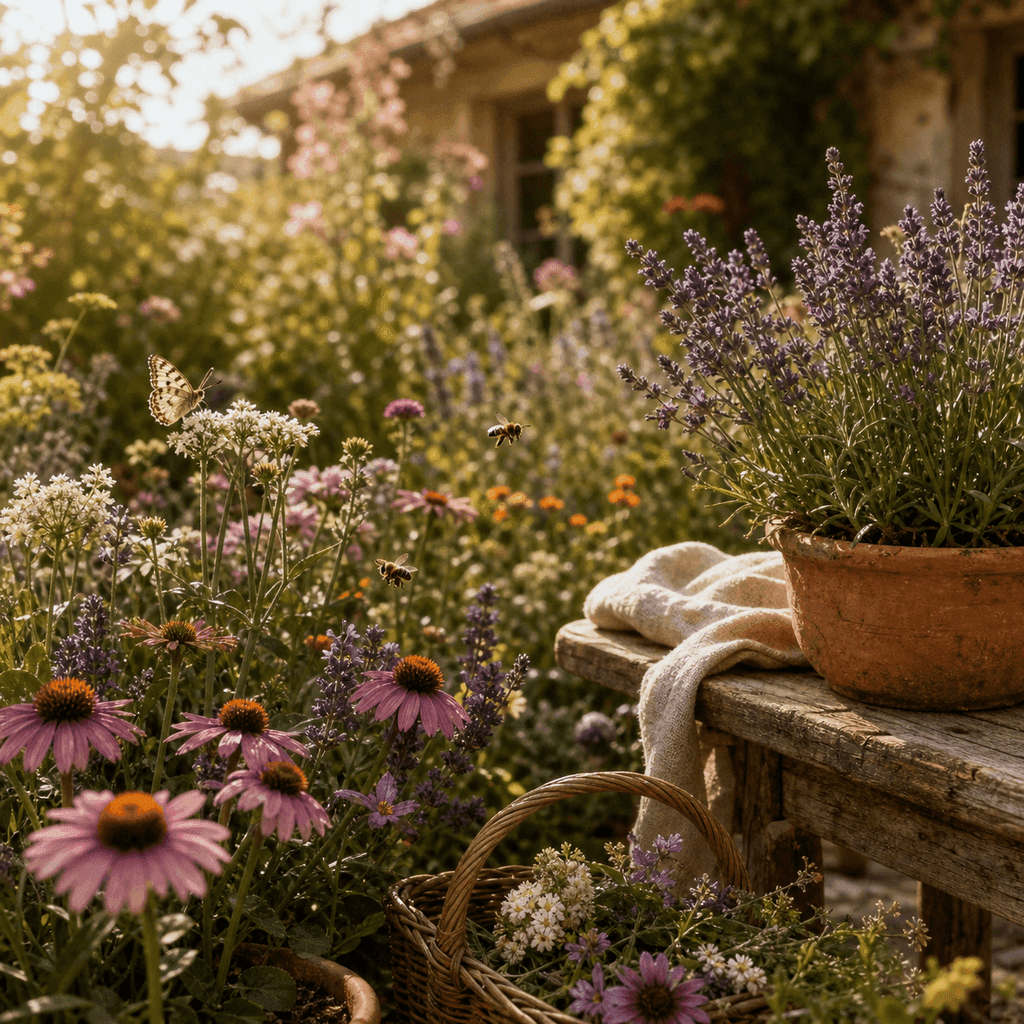
You don't need a sprawling backyard or a big budget to make a real difference for wildlife this spring. A window box, a few containers on a balcony, or one neglected corner of a small yard can feed, shelter, and water a surprising number of creatures, if you plant it with a little intention.
The trick to a spring wildlife garden is understanding what animals actually need, then providing as much of it as your space and wallet allow. Start small, add over time, and let the habitat build itself.
The Four Elements of Wildlife Habitat
Every habitat, no matter how tiny, comes down to four things. Hit all four and you've built somewhere wildlife can genuinely live, not just pass through.
- Food: nectar-rich flowers for pollinators, berries and seeds for birds, and leaves for caterpillars.
- Water: even a shallow dish, refilled and rinsed regularly, gives insects and birds somewhere to drink.
- Cover: dense plantings, a brush pile, or a hedge where creatures can hide from predators and weather.
- Places to raise young: host plants for butterflies, undisturbed leaf litter for beetles, a nest box for birds.
You can provide all four in a space no bigger than a doormat if you choose plants that pull double duty.
Planting on a Shoestring
Here's the freeing part: the cheapest wildlife gardens are often the best ones. Native plants, adapted to your region over thousands of years, ask for almost nothing once established and feed local insects that fussier ornamentals can't.
Stretch your budget with a few easy moves:
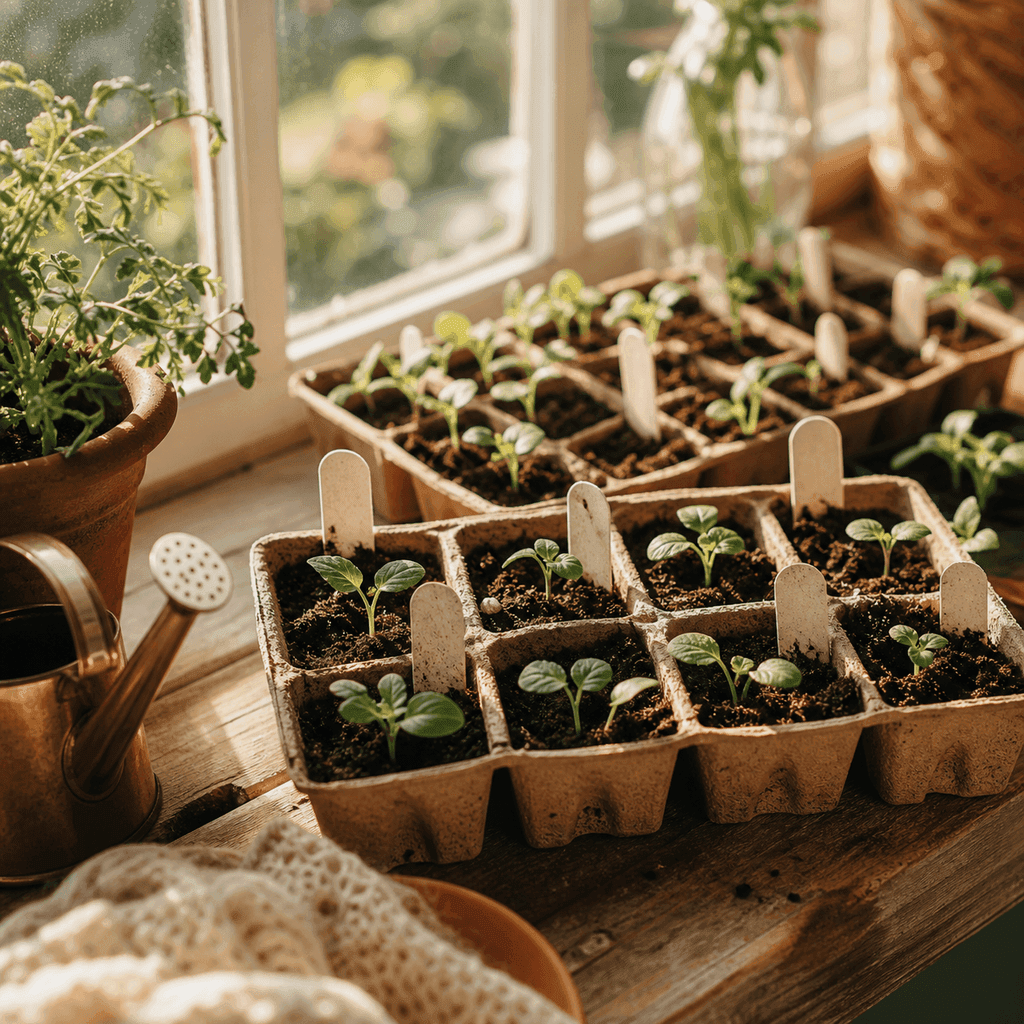
- Grow from seed instead of buying starts; a single packet fills a whole bed.
- Swap divisions and cuttings with neighbors and gardening groups.
- Check for native plant sales run by local conservation groups each spring.
- Let a patch of "weeds" like dandelions and clover stay for early bees.
The messiest corner of your garden is often the most alive. Wildlife loves what tidy gardeners rush to clear away.
Water, the Easiest Win
If you do just one thing, add water. A shallow dish with a few pebbles for insects to land on, refreshed every couple of days, will draw bees, birds, and butterflies almost immediately. Keep it shallow, keep it clean, and place it near cover so visitors feel safe.
For a few dollars more, a small container water garden with a native aquatic plant becomes a magnet for dragonflies and frogs.
Skip the Chemicals
None of this works if you're spraying. Pesticides and herbicides don't distinguish between the aphid you dislike and the ladybug that eats it, and they poison the insects that birds rely on to feed their chicks.
Instead, let the system balance itself. Predators arrive once there's prey to hunt, and a garden left mostly alone finds its own equilibrium within a season or two.
Grow It Over Time
A wildlife garden is never really finished, which is part of the fun. Start this spring with one nectar plant, one water dish, and one patch of cover. Next season, add a berry shrub or a host plant for a butterfly you'd love to see.
A Simple First-Year Plan
- Spring: plant natives from seed, set out a water dish.
- Summer: watch what shows up, note the gaps.
- Fall: leave the seed heads and leaf litter in place.
- Next spring: divide, expand, and add one new element.
Small and steady beats big and expensive here. Whatever your space or budget, you can hand wildlife a place to land this spring, and watching it fill up is its own quiet reward.
James Carter
Composting & Soil Specialist
James is a lifelong allotment grower who's happiest with a fork in a compost heap. He covers composting, soil health, and closing the loop in the garden. More from James →