How to Reduce Packaging Waste When Grocery Shopping
Cut packaging waste at the grocery store with a few simple shopping shifts, from loose produce to bulk bins and smarter choices.

The grocery store is honestly where most of our household packaging mess comes from. But here's the thing: a few small shifts in how you shop can seriously cut that waste down, without forcing you to overhaul your diet or drive to some specialty store across town.
None of this requires perfection or a fancy zero-waste shop. It's about noticing the packaging you've been grabbing on autopilot and choosing the lower-waste version that's usually sitting right next to it. Here's where to start.
Buy Produce Loose, Not Pre-Packaged
That apple in a plastic clamshell is nutritionally identical to the one sitting loose in the bin next to it. I know it sounds obvious, but I used to grab the pre-packed bags out of habit without even thinking.
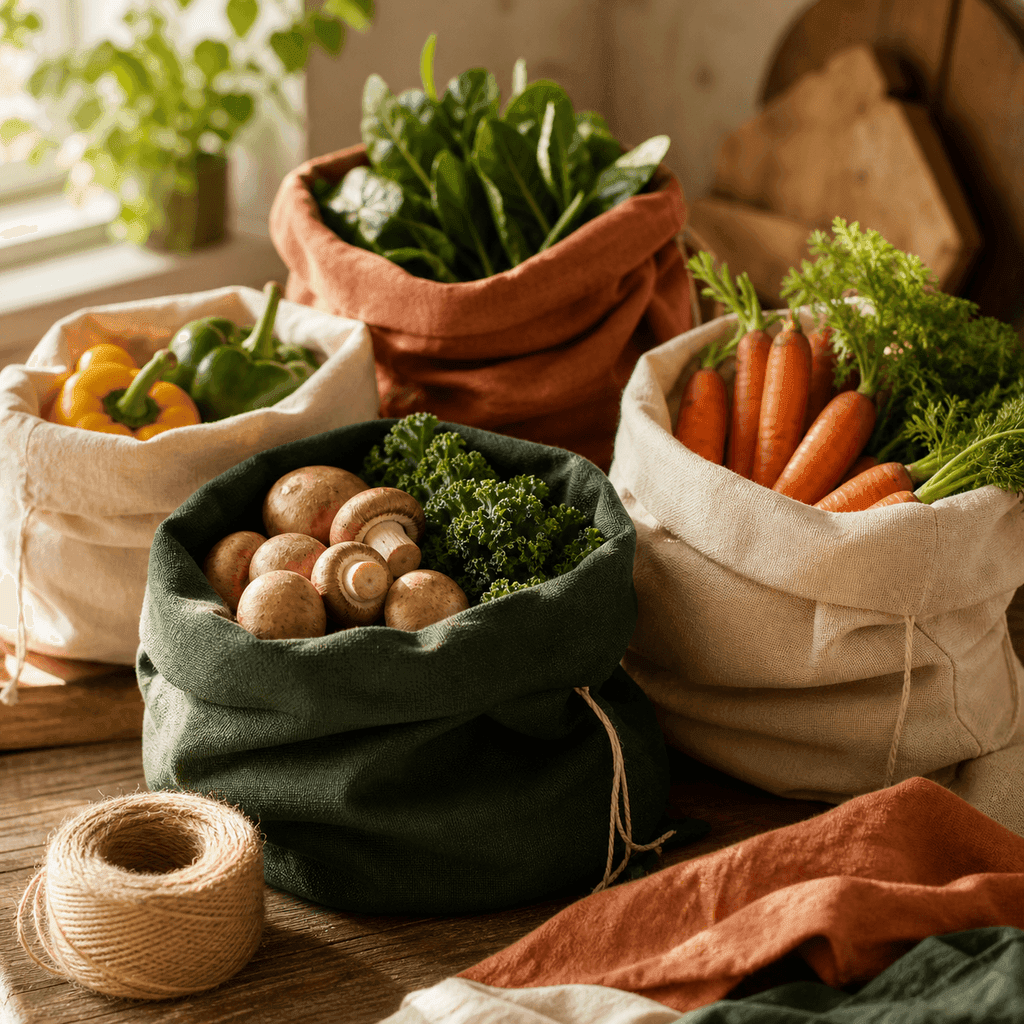
Bringing your own mesh produce bags makes the switch effortless. Skip the flimsy plastic roll in the produce section entirely and use reusable ones you can toss in the wash. A few tips:
- Keep a bundle of mesh bags clipped to your main tote so you never forget them.
- Buy loose greens, peppers, and mushrooms rather than the bagged or boxed versions.
- Choose a whole head of lettuce over the plastic tub of pre-washed leaves.
The loose version is almost always cheaper per pound and packaging-free. You're paying extra for the plastic you didn't want.
Shop the Bulk Bins
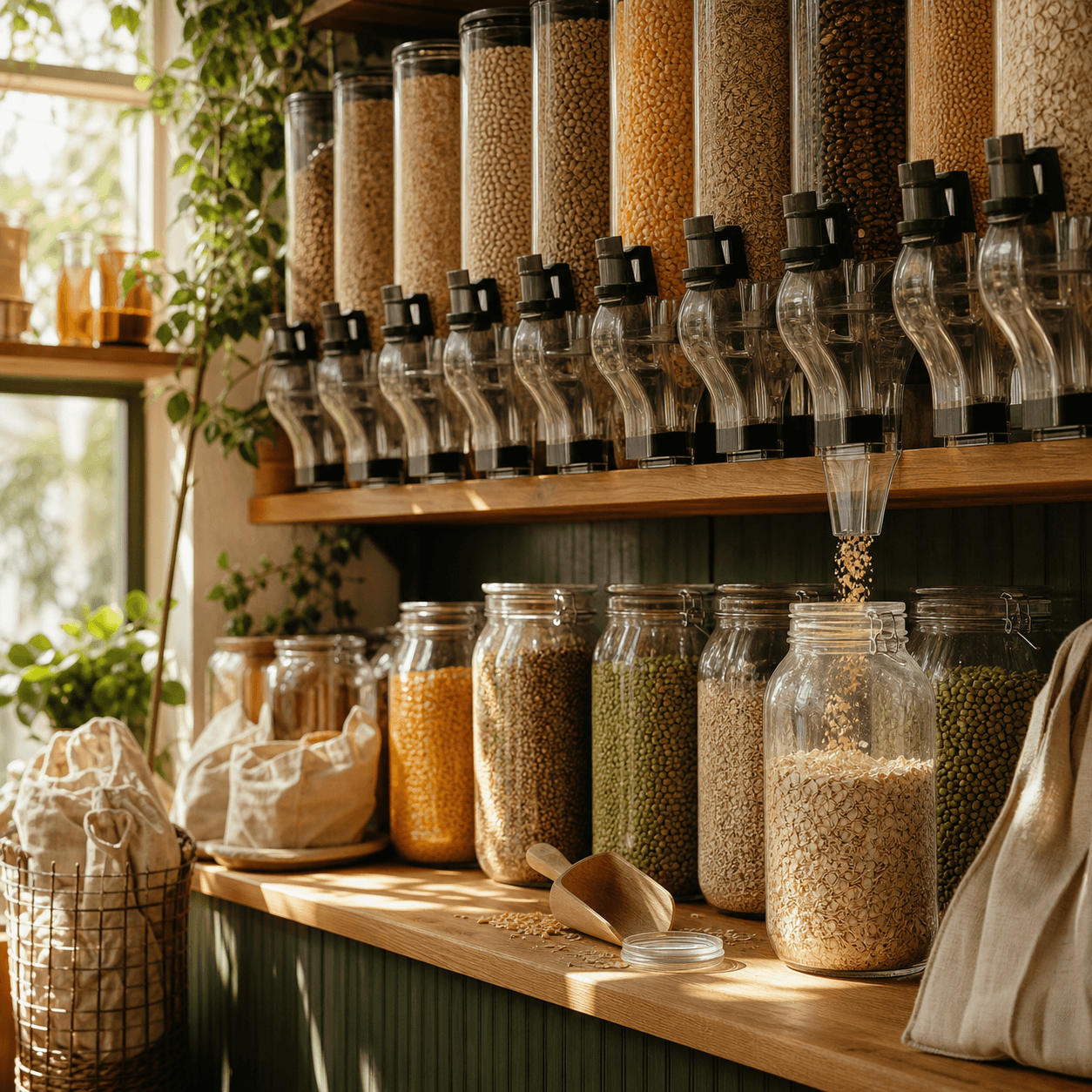
Bulk bins are the quiet hero of low-waste grocery shopping. Grains, beans, nuts, oats, coffee, and dried fruit often live here, and you take only what you need with none of the box-and-bag layering.
Bring your own jars or cloth bags, have them weighed empty at customer service first, and fill up. Beyond the packaging win, buying the exact amount means less food waste too, which matters just as much. If your store doesn't have bins, don't sweat it, just lean on the other swaps.
Choose Better Packaging When You Can't Avoid It
Some things come packaged no matter what, and that's fine. When you have a choice, the material matters.
A Quick Hierarchy
- Loose or unpackaged is always best.
- Glass and metal recycle endlessly and are easy to reuse at home.
- Cardboard and paper break down and recycle well.
- Plastic is the last resort, and thin films are the worst since most can't be recycled curbside.
Reaching for pasta in a cardboard box over a plastic bag, or yogurt in a glass jar over a plastic tub, adds up over a year of weekly shops.
Plan a Little Before You Go
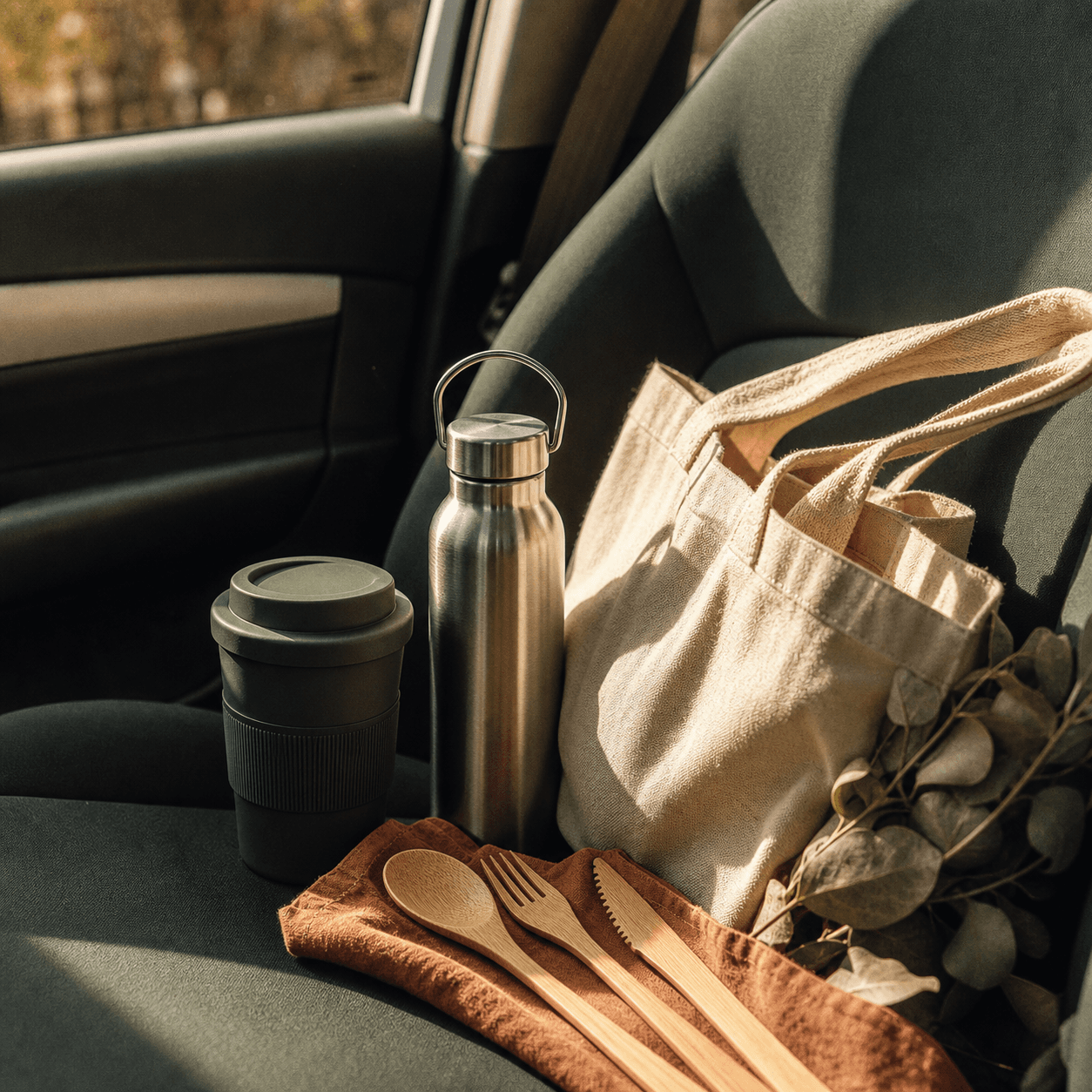
Half of packaging waste comes from unplanned buys and forgotten reusables. A quick list keeps you from grabbing convenience-packaged extras, and stashing your bags by the door or in the car means they're always with you.
It also helps to keep a small kit ready: a few totes, a bundle of mesh produce bags, and a couple of jars for the bulk aisle. Once that kit lives in your bag, low-waste shopping stops being a project and becomes just how you shop.
Start With One Aisle
You don't have to fix everything on the next trip. Pick one change, say, loose produce with your own bags, and make it automatic. Then add the bulk bins, then the packaging swaps.
Done steadily, these small shifts shrink the pile of plastic and cardboard headed for your bin every week, and they often trim your grocery bill too. That's the kind of sustainable habit that quietly pays for itself.
Emily Bennett
Zero-Waste Home Writer
Emily focuses on the low-waste home — refills, natural cleaning, and calm, clutter-free swaps that actually stick. She believes greener living should feel good. More from Emily →