How to Propagate Plants for Free: Eco-Friendly Garden Expansion
Learn how to propagate plants for free with stem cuttings, division, and layering to expand your garden with no plastic pots or shipping.
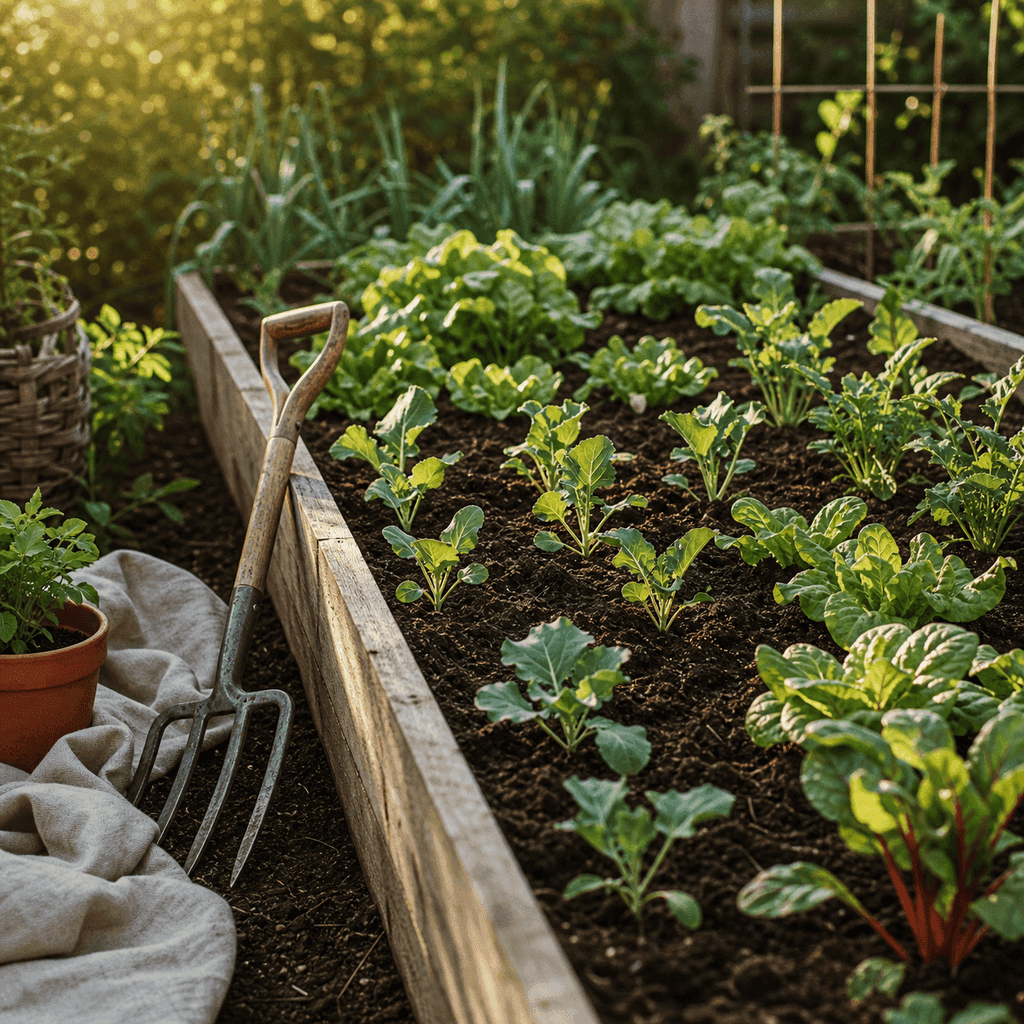
Every plant you propagate yourself is one you didn't have to buy, ship, or unwrap from a plastic pot. There's something genuinely satisfying about watching a little cutting you snipped from your own backyard turn into a full, healthy plant, and it never really gets old.
Learning how to propagate plants for free is one of the most sustainable habits a gardener can build. It multiplies what you already have, keeps single-use nursery plastic out of your cart, and lets you share the extras with friends. Here's what actually works and when to reach for each method.
Stem Cuttings: The Most Versatile Method
Stem cuttings are where most people start, and for good reason. They work for the majority of soft-stemmed perennials, nearly every herb, and a lot of woody shrubs too.
The basic steps rarely change:
- Cut a four to six inch stem just below a leaf node, where roots emerge most readily.
- Strip the leaves from the lower half so nothing sits underwater or in wet soil.
- Place the cutting in a jar of water or a pot of moist, well-draining mix.
- Keep it warm and out of direct sun, which would scorch the leafless stem.
- Wait one to three weeks, refreshing the water every few days, until roots appear.
Once roots reach an inch or so, pot water-rooted cuttings into soil gently, since those first roots are fragile.
Softwood cuttings taken in late spring, when growth is fresh and pliable, root faster than almost any other kind. It's the best window of the whole year.
Division: Instant Full-Size Plants
Division is the fastest route to a mature plant because you're simply splitting one established clump into several. It suits anything that grows in a spreading crown: hostas, daylilies, ornamental grasses, and many herbs like chives and mint.
Dig up the whole clump in early spring or fall, then separate it into sections with a sharp knife or your hands, making sure each piece has both roots and shoots. Replant immediately, water well, and each division carries on as a full plant. As a bonus, dividing every few years keeps the parent plant vigorous.
Layering: Let the Plant Do the Work
Layering is the low-effort option, ideal for shrubs and vining plants with flexible stems like roses, hydrangeas, and blackberries. You root a stem while it's still attached to the parent, so it never wilts or stresses.
- Bend a low, flexible stem down to the ground.
- Nick the underside where it touches the soil to encourage rooting.
- Pin it down with a rock or a bent wire and cover that section with soil.
- Leave the tip poking out and wait, often a few months.
Once roots form at the buried point, snip the new plant free from the parent and transplant it.
Setting Cuttings Up to Succeed
Whatever method you choose, a few habits raise your success rate. Use clean tools to avoid spreading disease, take more cuttings than you need since not every one will take, and keep humidity up around leafy cuttings with a loose plastic bag or a cut-off bottle acting as a mini greenhouse.
Match the Method to the Plant
- Herbs and houseplants: water cuttings.
- Perennial clumps: division.
- Shrubs and vines: layering or softwood cuttings.
Start with one easy plant this spring, watch those first white roots appear, and you'll be hooked. Before long you'll be filling beds, gifting jars of cuttings, and expanding your whole garden without spending a dime.
David Brooks
Organic Gardening Writer
David grows food on a suburban plot and loves a good repair. He writes about organic gardening, pollinators, and doing more with less out in the yard. More from David →