How to Preserve Food at Home: Sustainable Methods That Work
Learn sustainable ways to preserve food at home, from freezing and canning to fermenting and drying, so you waste less and eat local year-round.
Preserving food is honestly one of the best things you can do for the planet and your grocery budget at the same time. When summer tomatoes are practically falling off the vine, or fall apples pile up at the market for next to nothing, putting some away means you're eating local, seasonal food in the dead of January.
That's a win I'll take every time. And you don't need special equipment or a homesteader's skill set to start. Most of these methods use gear you already own, and each one turns a seasonal glut into meals for months. Here's how to preserve food at home in ways that actually work.
Freezing: The Easiest Start
If you've never preserved anything before, start here. Freezing is forgiving, fast, and it keeps nutrients and flavor better than most people expect.
The one trick worth learning is blanching. Drop vegetables into boiling water for a minute or two, then plunge them into ice water to stop the cooking. This preserves color, texture, and nutrients through months in the freezer. Fruit needs no blanching, just wash, dry, and freeze it on a tray before bagging so the pieces don't clump.
To skip single-use plastic, reach for reusable silicone bags or glass containers, leaving a little headspace for expansion. Properly frozen produce keeps well for eight to twelve months.
A freezer full of summer's harvest is the cheapest, laziest form of food preservation, and it tastes like sunshine in the middle of winter.
Canning: Shelf-Stable and Satisfying
Canning takes a bit more care, but the payoff is jars of food that sit on a shelf for a year without any energy at all. There are two approaches, and the difference matters for safety.
- Water-bath canning works for high-acid foods like jams, pickles, tomatoes, and fruit.
- Pressure canning is required for low-acid foods like beans, corn, and most vegetables, because it reaches the higher temperature needed to keep them safe.
Follow a tested recipe exactly, especially on acidity and processing times. Canning is wonderfully rewarding, but it's the one method where cutting corners genuinely isn't worth the risk.
Fermenting: Preservation With Benefits
Fermenting might be the most low-tech method of all, and it gives you tangy, gut-friendly foods in the bargain. Sauerkraut, kimchi, and pickles need little more than vegetables, salt, and time.
The basic idea is to submerge salted vegetables in their own brine, keep them under the liquid and away from air, and let beneficial bacteria do the work over days or weeks. It's how humans preserved food for millennia before refrigeration, and it costs almost nothing.
Drying: Compact and Shelf-Stable
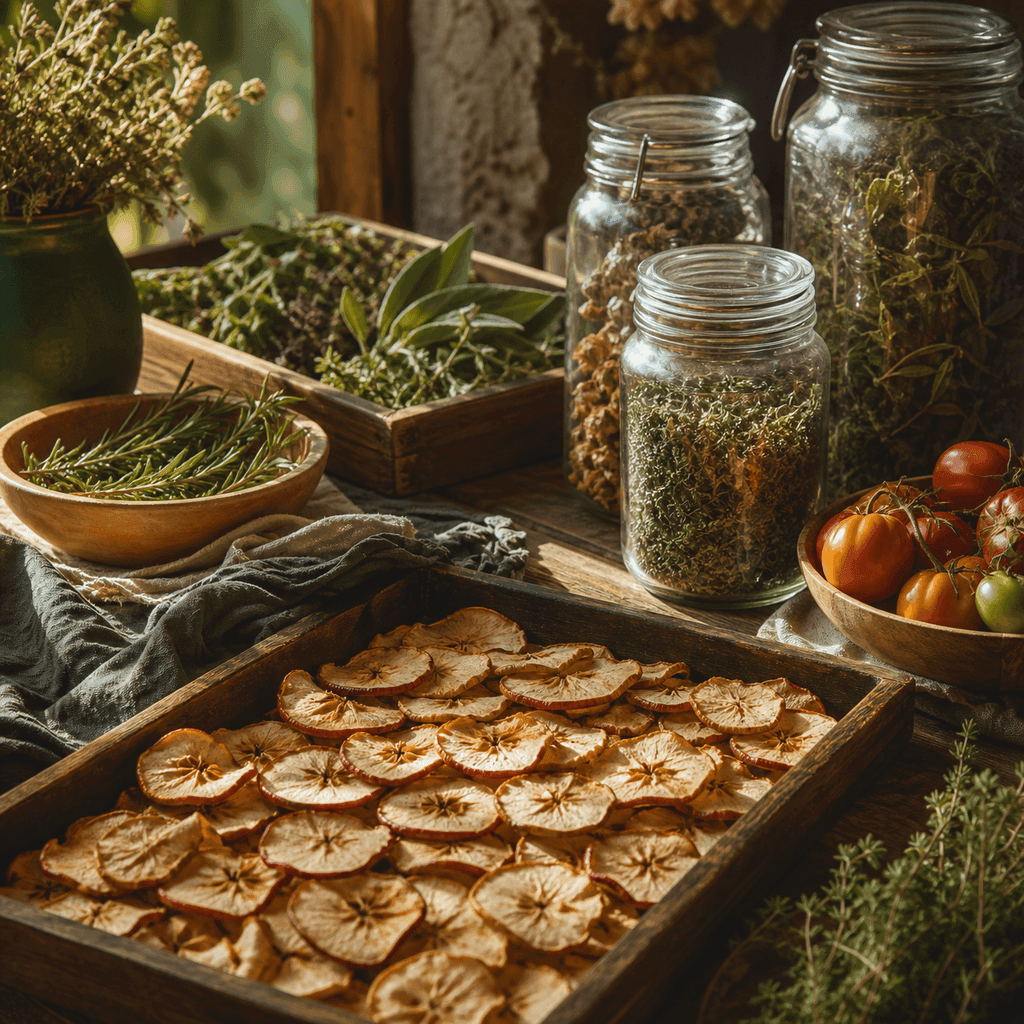
Drying removes the water that spoilage needs, leaving you with lightweight, long-keeping food. Herbs, apple slices, tomatoes, and mushrooms all dry beautifully.
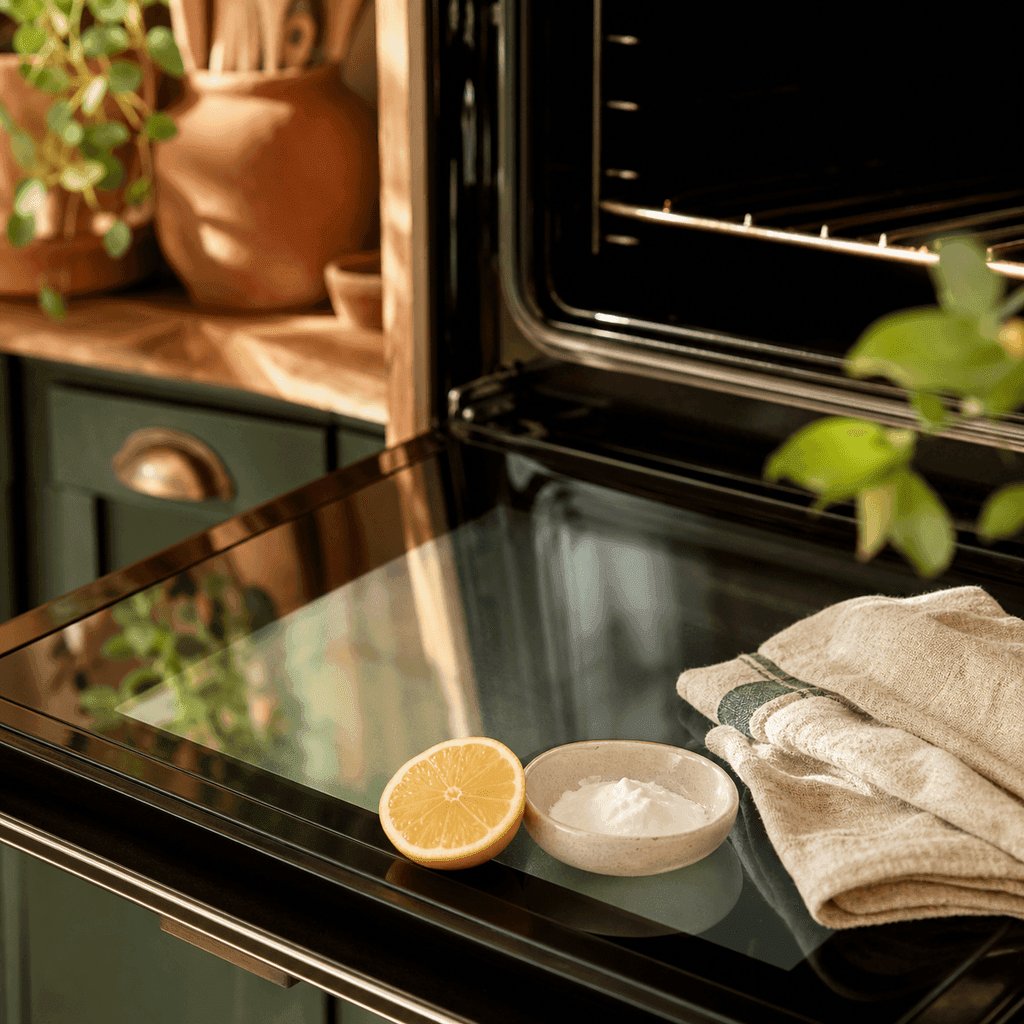
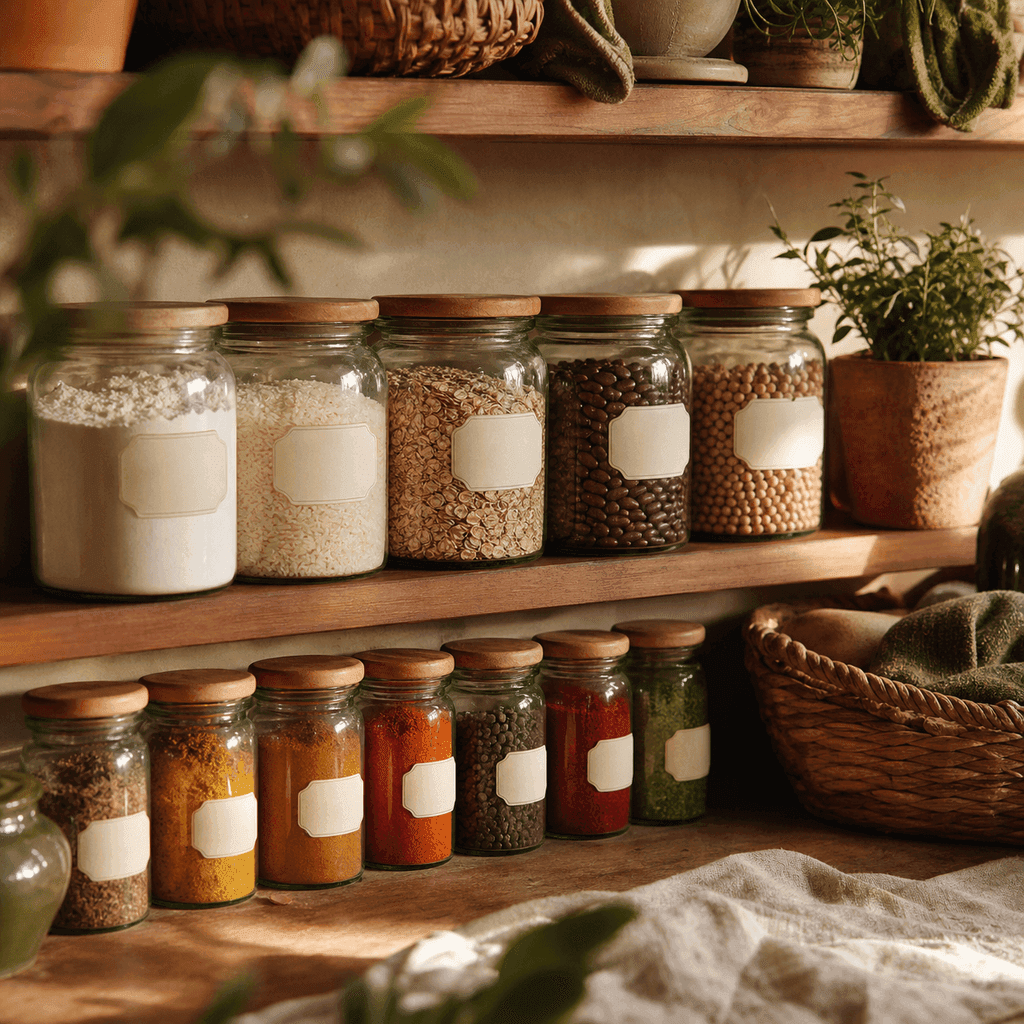
You can use a dedicated dehydrator, but a low oven works too. Set it to its lowest temperature, prop the door open a crack for airflow, and let thin slices dry slowly over several hours. Store the results in airtight glass jars somewhere cool and dark.
Quick Method Match-Ups
- Freezing for almost anything, especially berries, beans, and cooked meals.
- Canning for tomatoes, jams, and pickles you want shelf-stable.
- Fermenting for cabbage, cucumbers, and tangy condiments.
- Drying for herbs, fruit, and mushrooms.
Start Small and Build
You don't need to preserve a pantry's worth on your first weekend. Freeze a tray of berries, ferment a single jar of sauerkraut, or dry the herbs before they wilt. One small batch teaches you more than any guide.
Do a little each season and you'll find yourself with a quiet stockpile of local, seasonal food, less waste in your kitchen, and a grocery bill that stretches further through the lean months. That's sustainable eating you can taste all year.
Sarah Mitchell
Founder & Editor
Writer, home cook, and slightly obsessive gardener sharing small, doable ways to live a little lighter. Sarah started Earth Friendly Blogs at her own kitchen table. More from Sarah →