Eco-Friendly Ways to Deal With Garden Weeds Without Chemicals
Control garden weeds without chemicals using no-dig methods, mulching, and smothering that prevent weeds long-term instead of just spraying them.
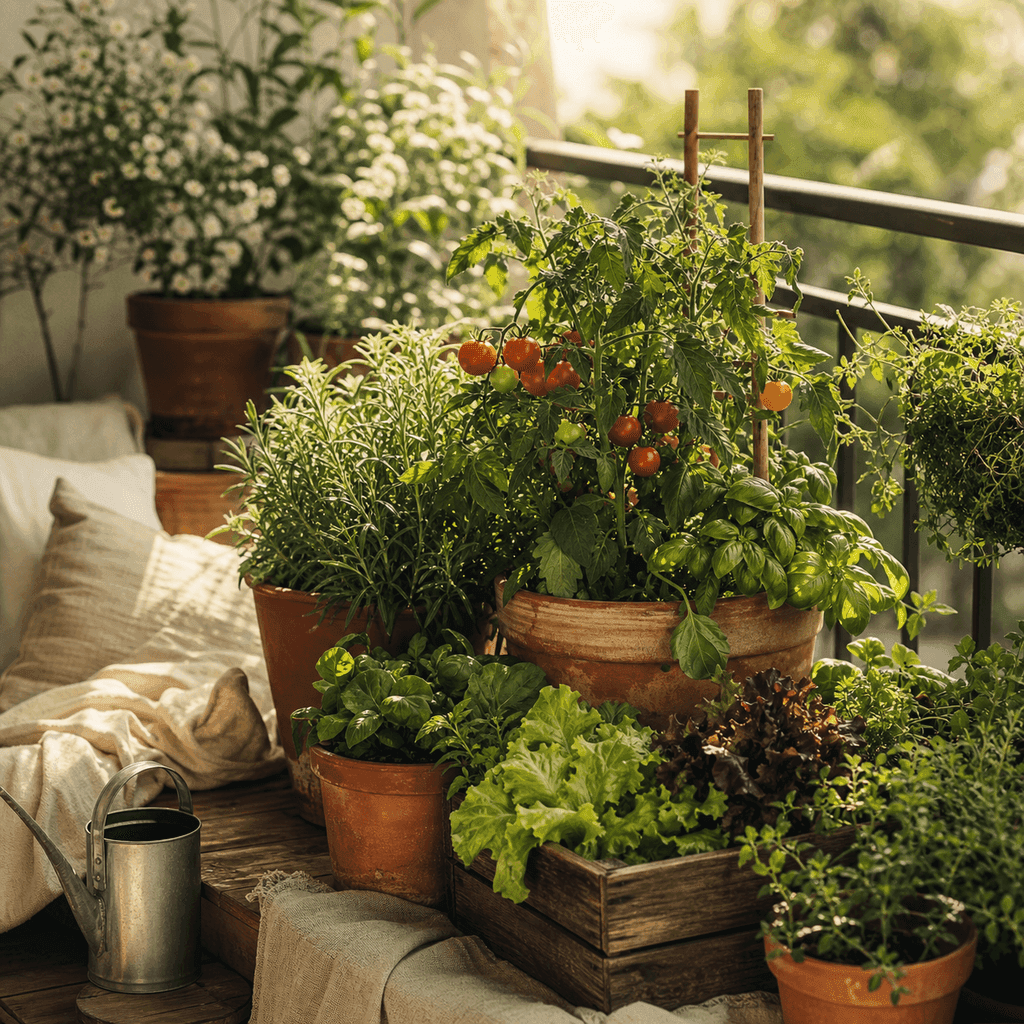
Weeds are the thing that make most people want to give up on gardening entirely, and I completely get it. The knee-jerk reaction is to grab a bottle of something from the hardware store, but honestly, chemical sprays are more of a bandage than a fix.
What actually works long-term is a different mindset: prevention, smothering, and building soil healthy enough that weeds can't get a foothold in the first place. These eco-friendly ways to deal with garden weeds take a little patience up front, but they get easier every single season instead of harder.
Stop Digging Up New Weeds
Here's the counterintuitive truth at the heart of chemical-free weeding: your soil is full of dormant weed seeds, and most of them only sprout when light reaches them. Every time you till or turn a bed, you drag a fresh batch of buried seeds to the surface and hand them exactly the cue they were waiting for.
No-dig gardening breaks that cycle. Instead of turning the soil, you layer organic matter on top:
- Lay cardboard or several sheets of newspaper over the bed.
- Cover it with two to three inches of compost.
- Plant directly into the compost layer.
The buried seeds stay in the dark and stay dormant. Over a few years, the weed pressure on a no-dig bed drops dramatically, and the soil structure underneath gets noticeably better too.
The less you disturb the soil, the fewer weeds you invite. Sometimes the best tool in the shed is the one you leave hanging on the wall.
Mulch, Mulch, Mulch
If no-dig is the foundation, mulch is the daily workhorse. A thick layer of organic mulch blocks the light weed seeds need, holds moisture for your plants, and slowly feeds the soil as it breaks down.
Good options depending on the spot:
- Straw around vegetables, light and easy to tuck between rows.
- Wood chips on paths and around shrubs and perennials.
- Shredded leaves, free every fall and loved by earthworms.
- Grass clippings in thin layers so they don't mat down.
Aim for two to three inches, and keep it pulled back an inch or so from plant stems so they don't stay damp and rot.
Smother Persistent Patches
For a weedy area you want to reclaim, smothering does the heavy lifting without a drop of herbicide. Cover the whole patch with cardboard or a thick layer of newspaper, wet it down, and pile mulch or compost on top. Left in place for a season, it starves the weeds of light until even tough perennials give up.
This works beautifully for prepping a new bed. Lay it down in fall and by spring you'll have clear, plantable ground where a tangle used to be.
Hand Tools for the Stragglers
Even the healthiest garden has a few weeds slip through, and that's fine. The key is catching them early, while they're small and before they set seed. A single weed left to flower can drop thousands of seeds, so five minutes of pulling now saves hours later.
A Few Simple Habits
- Pull weeds after rain, when the soil is soft and roots slide out whole.
- Use a hoe to slice young weeds off at the surface on dry days.
- Never let a weed go to seed; behead it even if you can't dig it.
- Fill bare soil with plants, since weeds only colonize open ground.
Stack these approaches together and weeding stops feeling like an endless battle. You're not fighting the same weeds every year anymore; you're building a garden that quietly keeps most of them out on its own.
James Carter
Composting & Soil Specialist
James is a lifelong allotment grower who's happiest with a fork in a compost heap. He covers composting, soil health, and closing the loop in the garden. More from James →