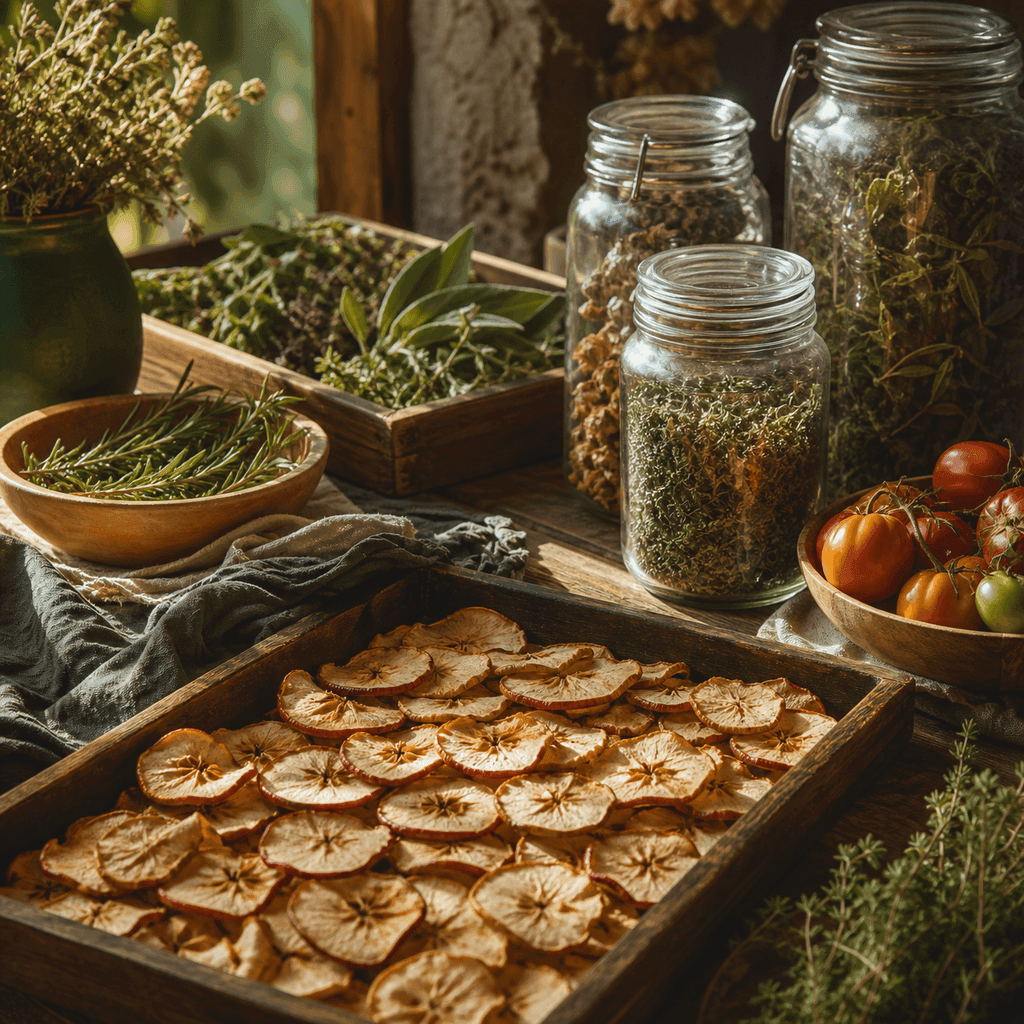
Seasonal Eating Guide: How to Eat More Sustainably Through the Year
A seasonal eating guide to help you eat more sustainably year-round, with what's in season each season and why it tastes and costs better.
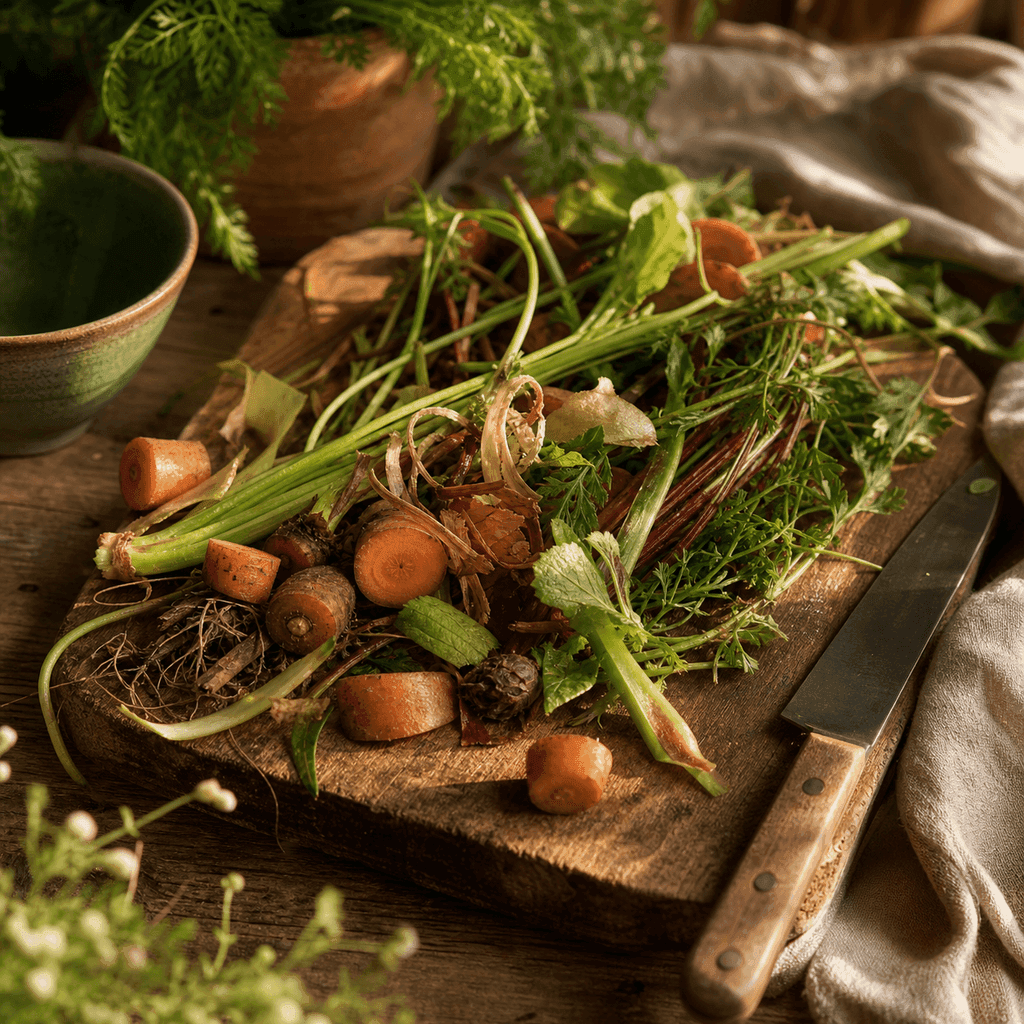
Seasonal eating is one of those habits that got buried under the convenience of the modern grocery store, where you can buy a tomato in January like it's totally normal. It's not normal. And once you start paying attention to what's actually in season near you, there's no going back.
The flavor difference alone will convince you, but the case runs deeper than taste. Eating with the seasons is easier on the planet, kinder to your budget, and it reconnects your kitchen to the rhythm of where you live. Here's how to make it work all year.
Why Seasonal Eating Matters
Here's the thing most people don't realize: that out-of-season zucchini in your February cart was probably grown in a heated greenhouse or flown in from thousands of miles away. The carbon footprint per pound of off-season produce can run ten to twenty times higher than the same vegetable grown locally in season.
And it tastes worse, too. Produce bred and picked for long-distance shipping trades flavor for durability, which is why a shipped winter tomato is a pale imitation of a summer one.
Food in season is cheaper, tastes better, and travels less. It's the rare choice that's easier on your wallet and the planet at once.
A Loose Guide to the Seasons
You don't need to memorize a chart. A rough sense of what each season brings is enough to shop smarter, and your local market will fill in the specifics.
Spring
- Asparagus, peas, radishes, and spring onions
- Leafy greens like spinach, arugula, and lettuces
- Strawberries and rhubarb as the weather warms
Summer
- Tomatoes, zucchini, corn, peppers, and eggplant
- Berries, peaches, plums, and melons
- Fresh herbs at their most abundant
Fall
- Winter squash, pumpkins, and sweet potatoes
- Apples, pears, and grapes
- Broccoli, cauliflower, and Brussels sprouts
Winter
- Hardy roots like carrots, beets, and parsnips
- Cabbage, kale, and other cold-loving greens
- Citrus, which peaks in the colder months
How to Eat Seasonally Without Overthinking It
The simplest path is to let the season set your menu instead of the other way around. Walk the farmers market or the produce section, notice what's abundant and cheap, and build meals around that. Abundance and low prices are the clearest signal that something's in season locally.
A few habits make it stick:
- Cook flexibly. Treat recipes as loose templates and swap in whatever vegetable is at its peak.
- Learn a few season-spanning dishes like soups, stir-fries, and roasted vegetable trays that welcome almost anything.
- Ask the growers at the market what's best this week, since they know before any chart does.
Ease Into the Rhythm
You don't have to swear off bananas or never buy an off-season lemon again. Seasonal eating isn't a rulebook; it's a leaning. Aim to make the bulk of your produce seasonal and local, and let the occasional exception be just that.
Start by noticing. Next time you shop, glance at what's piled high and priced low, and let that shape one meal. Do it for a few weeks and the seasons start to feel like old friends arriving on schedule, each with its own flavors. That's when sustainable eating stops being a rule and becomes simply the tastiest way to cook.
Olivia Reed
Sustainable Kitchen Writer
Olivia writes about low-waste cooking, plastic-free storage, and getting the most out of every ingredient. She tests every swap in her own small-city kitchen. More from Olivia →