How to Build an Eco-Friendly Kitchen Without Spending a Fortune
Build an eco-friendly kitchen on a budget by starting with free habits, smart swaps, and using what you already own before buying anything.
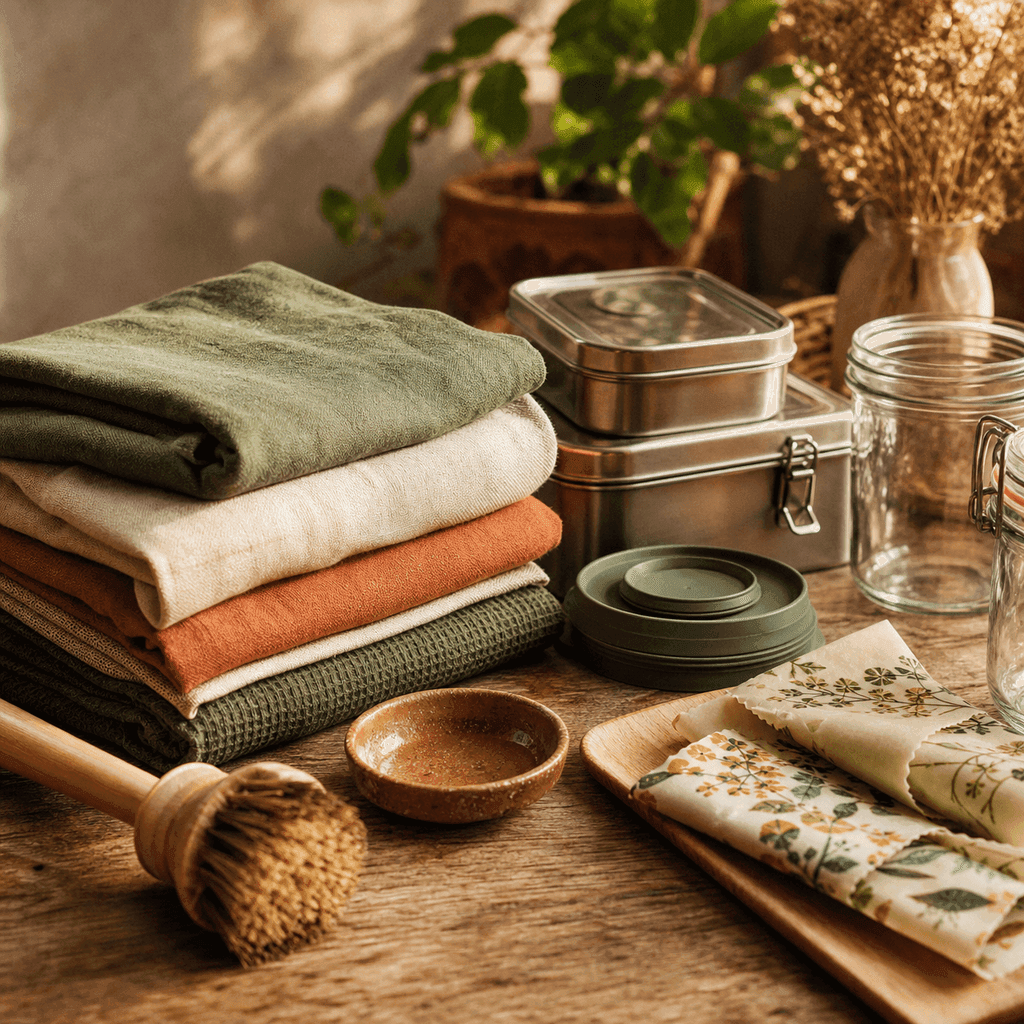
Building an eco-friendly kitchen isn't a weekend project, and it definitely shouldn't drain your wallet. The most sustainable approach is slow, intentional, and tackles the highest-impact changes first, before you spend a single dollar. If you've seen those glossy photos of matching glass jars and bamboo everything, ignore them for now. A genuinely green kitchen starts with what you already have and how you use it.
Phase 1: Habits Before Hardware
This is always where I tell people to begin, because it costs nothing and it moves the needle more than any gadget.
- Plan your meals. Meal planning alone cut our household food waste by roughly half. Just knowing what we're actually going to eat that week keeps produce from rotting in the drawer.
- Wash in cold. Running your dishwasher on cold or eco mode and skipping the heated dry cycle trims energy use with no real downside. Just crack the door open afterward and dishes air-dry fine.
- Compost your scraps. Food waste in a landfill produces methane. In a bin or a countertop collector headed to a municipal program, those same scraps become soil.
- Use it up first. The greenest product is the one you already own. Finish the plastic containers, the half-used spices, the odd single food-storage bags before you replace anything.
None of this requires a purchase. It just requires paying attention, and it builds the mindset that makes the later swaps stick.
The most sustainable item in your kitchen is almost always the one you already have. New gear, even the eco kind, still has a footprint.
Phase 2: Swap as Things Wear Out
Here's the trap people fall into: they get excited, throw out perfectly good plastic, and buy a whole matching set of "sustainable" replacements. That's the opposite of low-waste. It sends usable stuff to the landfill and empties your wallet at the same time.
Instead, let attrition do the work. When something breaks or genuinely wears out, replace it with a durable version:
- Worn-out sponges become a washable dishcloth or a longer-lasting cellulose one.
- A ripped roll of paper towels becomes a stack of cut-up old T-shirts kept in a drawer.
- Cracked plastic containers become glass jars, and you can get those free by saving pasta sauce and pickle jars.
- The next time you'd buy plastic wrap, try a beeswax wrap or just a plate over a bowl.
Spread over a year, these swaps barely register on your budget, and you avoid the guilt of a trash bag full of things that still worked.
Phase 3: Shop Smarter, Not More
An eco-friendly kitchen is shaped as much by what comes into it as by what's in the cabinets. A few habits here save money and packaging at the same time.
Buy in Bulk and Loose
Loose produce skips the plastic clamshell. Bulk bins let you bring your own jar and buy exactly what you need, which also means fewer forgotten half-bags going stale. Bring reusable bags and a couple of cloth produce sacks and you're set.
Choose Durable Over Disposable
When you do spend, spend on things that last. A single good chef's knife you sharpen yourself outlives a drawer of cheap ones. Cast iron and stainless steel cookware can last generations. Paying a bit more once, for something repairable and long-lived, is cheaper and greener than replacing junk every couple of years.
Let It Build Slowly
The kitchens you see online were styled for a photo. Yours gets to evolve at the pace of your real life and your real budget. Nail the free habits first, swap thoughtfully as things wear out, and shop with a little more intention. A year from now you'll have a kitchen that's genuinely lower-waste, and you'll have spent almost nothing getting there.
Sarah Mitchell
Founder & Editor
Writer, home cook, and slightly obsessive gardener sharing small, doable ways to live a little lighter. Sarah started Earth Friendly Blogs at her own kitchen table. More from Sarah →