Indoor Composting Without the Smell: Best Methods for Small Spaces
Indoor composting without the smell is easier than you think. Here are the best odor-free methods for apartments and small spaces, from countertop bins to Bokashi.
The number one reason people avoid composting indoors is the smell, and look, I get it. I tried it in my first apartment and it was rough for a while: fruit flies, mystery odors, my roommate giving me looks across the kitchen. But once I sorted out my setup, everything changed. Indoor composting without the smell is completely doable, even in 700 square feet, and it barely takes any effort once it's dialed in.
Method 1: Countertop Collection and City Pickup
If you want the least fuss possible, don't actually compost at home at all. Just collect and hand it off.
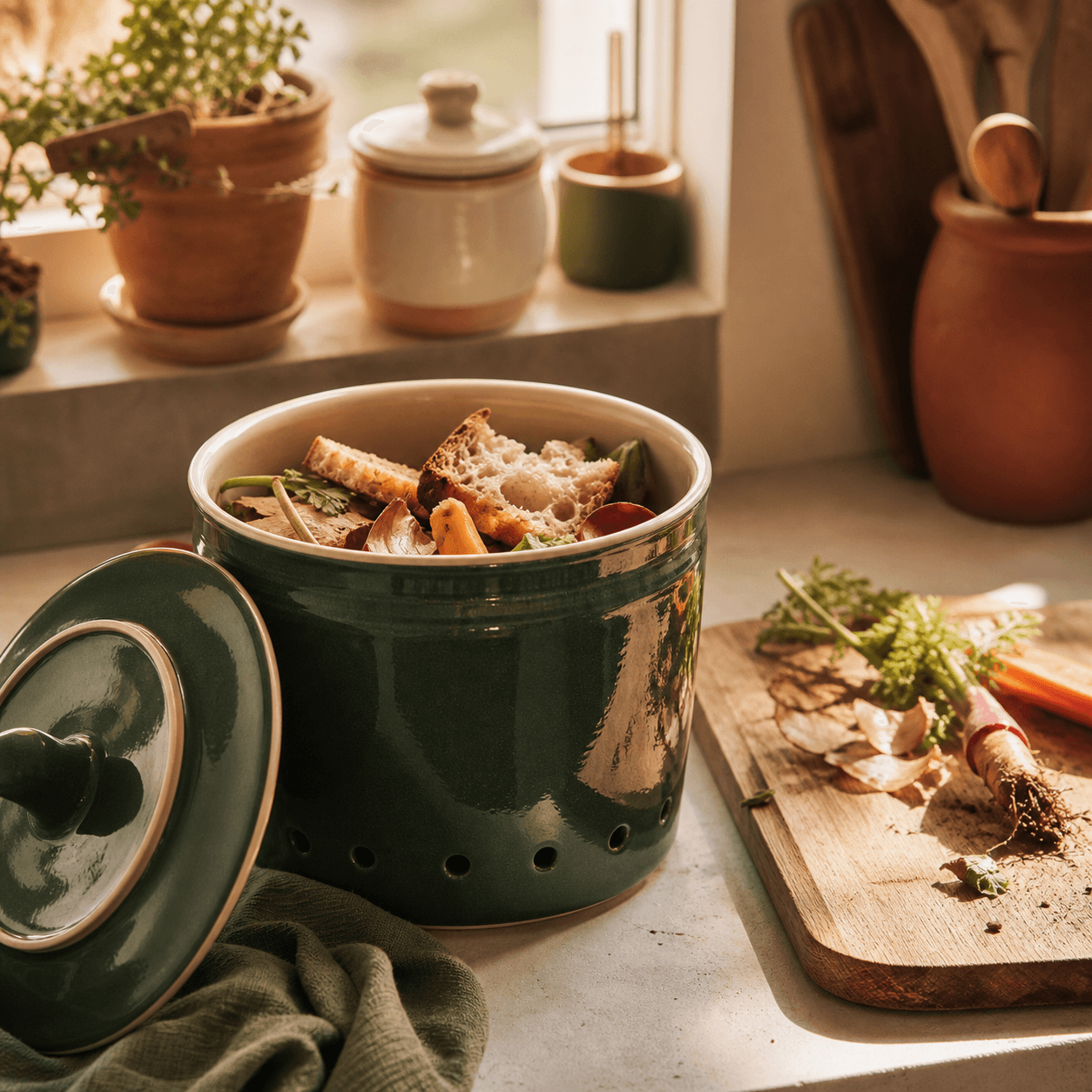
Grab a small countertop bin with a charcoal filter lid, fill it with scraps through the week, and drop it somewhere that composts for you:
- A farmers market compost station
- A community garden that accepts food waste
- Your city's curbside organics pickup, if it offers one
- A neighbor with a backyard pile (people are often thrilled)
The charcoal filter traps odors, and emptying every few days keeps things fresh. This is genuinely all most apartment dwellers need.
Method 2: Bokashi Fermentation
Bokashi is my favorite for small spaces because it's sealed, odorless, and handles things a normal bin can't. You layer scraps in an airtight bucket with a bran inoculated with beneficial microbes, and instead of rotting, everything ferments.
The sealed lid means no smell escapes, and because it's anaerobic, you can add meat, dairy, and cooked leftovers that would stink up any other system. Every couple of weeks you drain off a nutrient-rich liquid (great diluted for houseplants), and the fermented scraps get buried in soil or handed to a garden to finish.
A Bokashi bucket smells faintly like pickles or vinegar when you open it, and that's exactly right. That tangy scent means the good microbes are winning. A rotten smell means something's off and you need more bran.
Method 3: Worm Bin (Vermicomposting)
A well-run worm bin is one of the most surprising things about small-space composting: it does not smell. Red wigglers quietly turn your scraps into some of the richest compost you can get, and a bin tucks neatly under a sink or in a closet.
Keeping It Odor-Free
- Feed small amounts and let the worms catch up before adding more
- Always cover fresh scraps with a layer of shredded cardboard or paper
- Skip citrus, onion, garlic, meat, and dairy
- Keep the bedding damp, not soggy
If a worm bin ever smells, you've overfed it or it's too wet. Back off on scraps, add dry bedding, and it recovers within a few days.
Keeping Any Setup Fresh
Whatever method you choose, a few universal habits keep odors away:
- Balance greens with browns. Every time you add wet food scraps, tuck in some shredded paper or cardboard to soak up moisture.
- Don't let it sit too long. Empty countertop bins every two to three days.
- Mind the moisture. Most bad smells come from a bin that's too wet. Dry browns are the fix.
- Keep the lid on. A tight or filtered lid does most of the work.
Which One Is Right for You?
If you're short on time and space, go with countertop collection and pickup. If you want to make your own compost and don't mind a small routine, Bokashi is the most forgiving. If you're a bit of a plant person and want the best finished compost, a worm bin is worth the learning curve.
Any of the three will keep your kitchen fresh. The smelly indoor compost horror stories almost always come down to a wet, overloaded bin with no browns and no lid, and now you know exactly how to avoid that.
Sarah Mitchell
Founder & Editor
Writer, home cook, and slightly obsessive gardener sharing small, doable ways to live a little lighter. Sarah started Earth Friendly Blogs at her own kitchen table. More from Sarah →