How Long Does Composting Take? How to Speed It Up
How long does composting take? From two weeks to two years by method, plus proven ways to speed it up with heat, airflow, and the right balance.
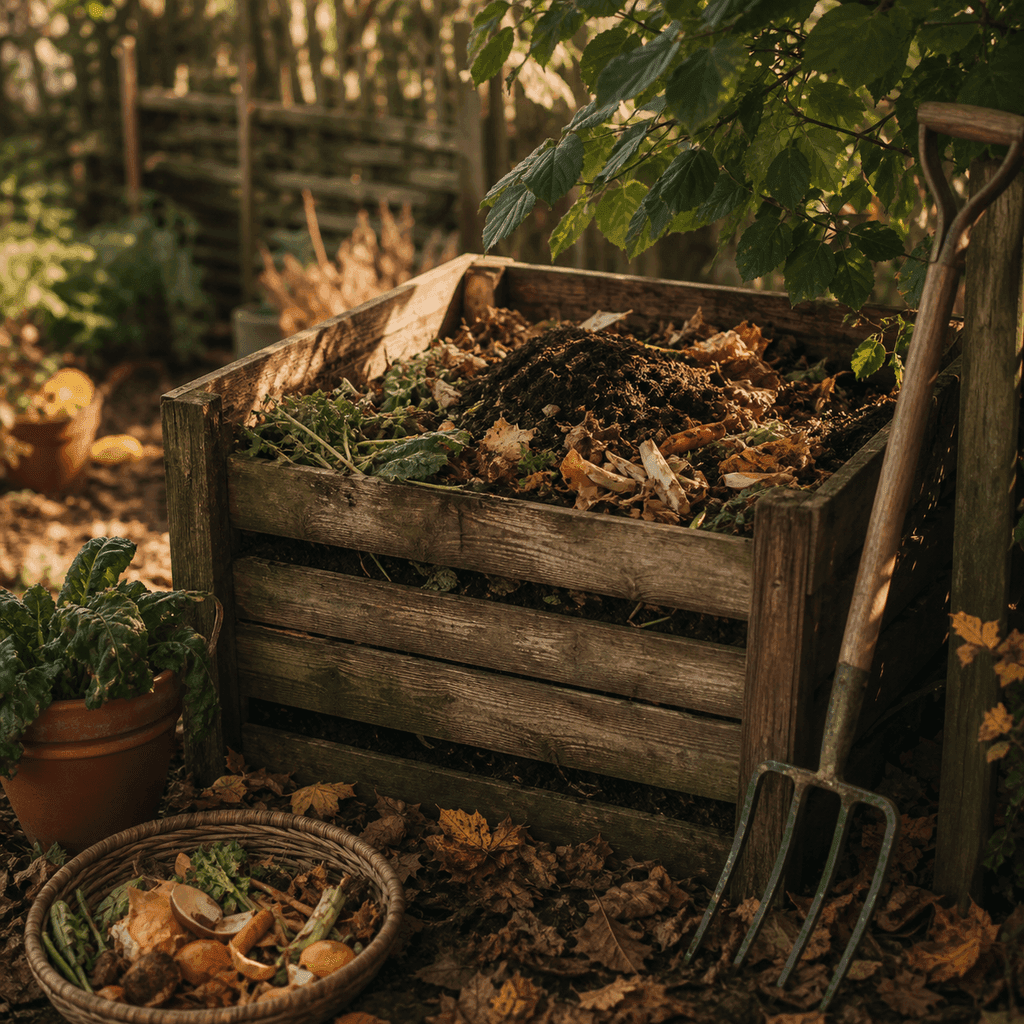
The complaint I hear most from people who have tried composting? "It takes forever." And honestly, I get it, because I abandoned my first pile after eight months when nothing seemed to be happening.
But here is what I wish someone had told me back then: a neglected pile and a managed pile are basically two different things. So how long does composting take? Anywhere from two weeks to two years, depending entirely on your method and how much you tend it. Get the conditions right, and finished compost in three to four months is completely realistic.
Typical Composting Timelines
Your method matters more than almost anything else. Here is roughly what to expect from each approach:
- Cold composting (passive pile, no turning): six months to two years.
- Hot composting (managed and turned regularly): two to three months.
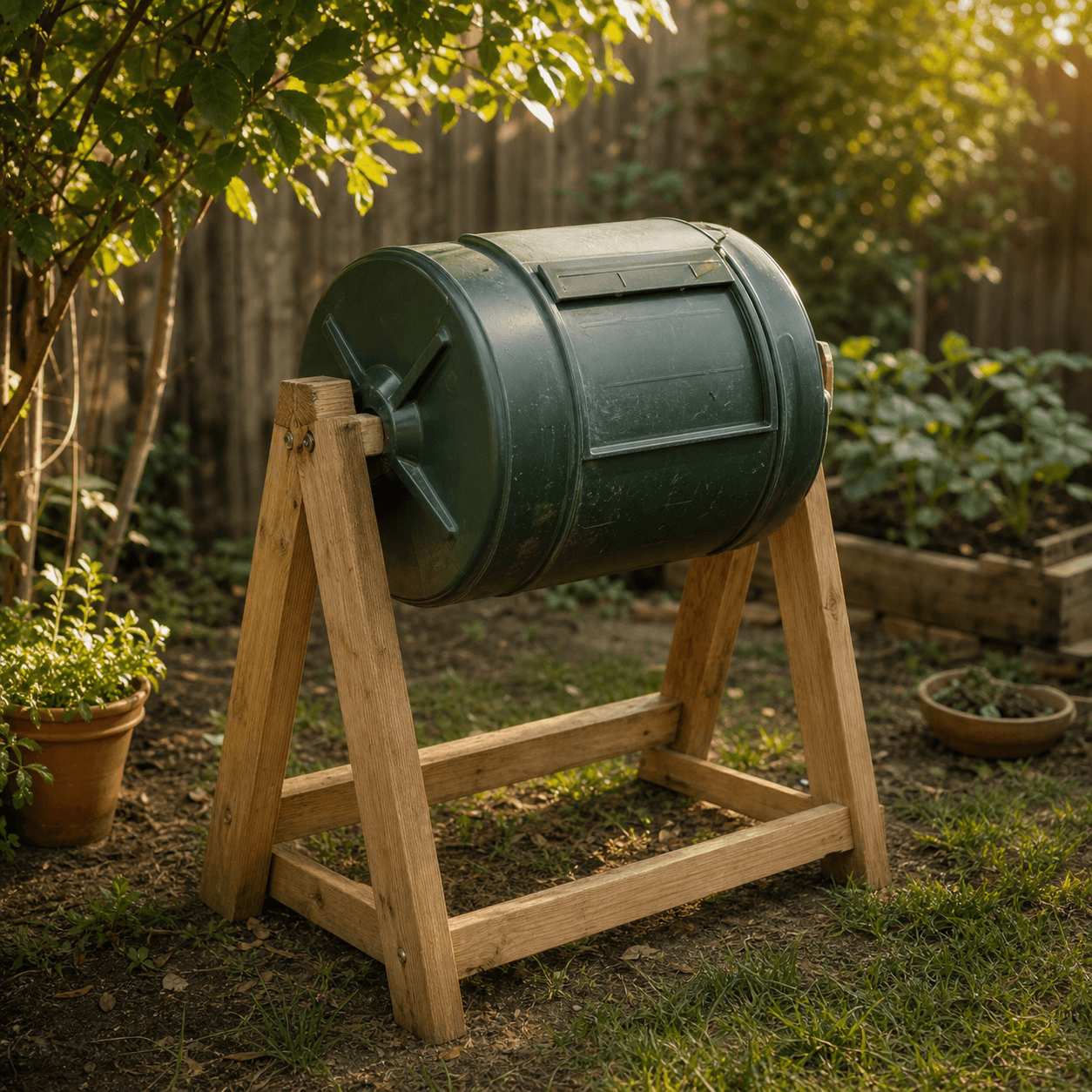
- Worm composting (vermicomposting): four to eight weeks for mature castings.
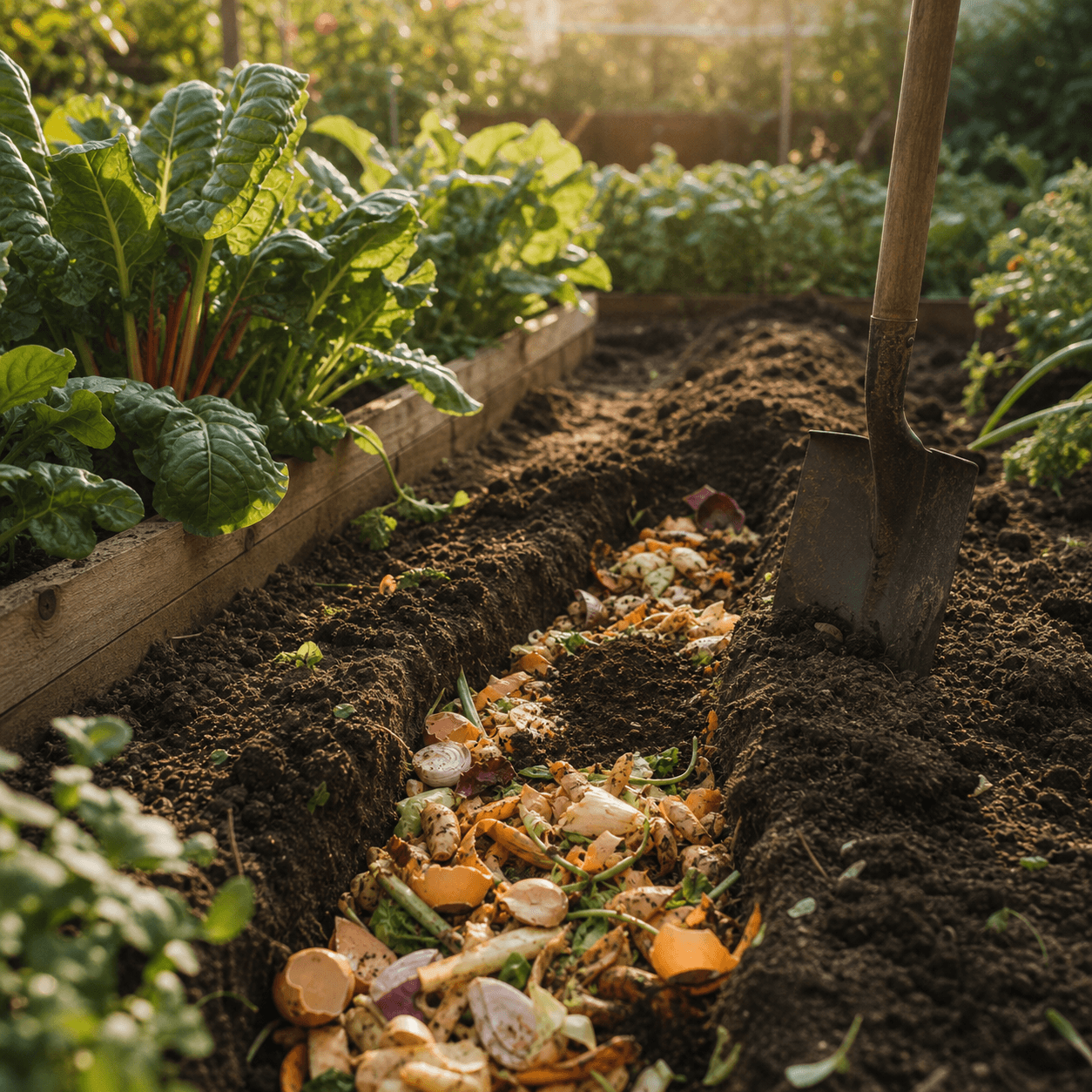
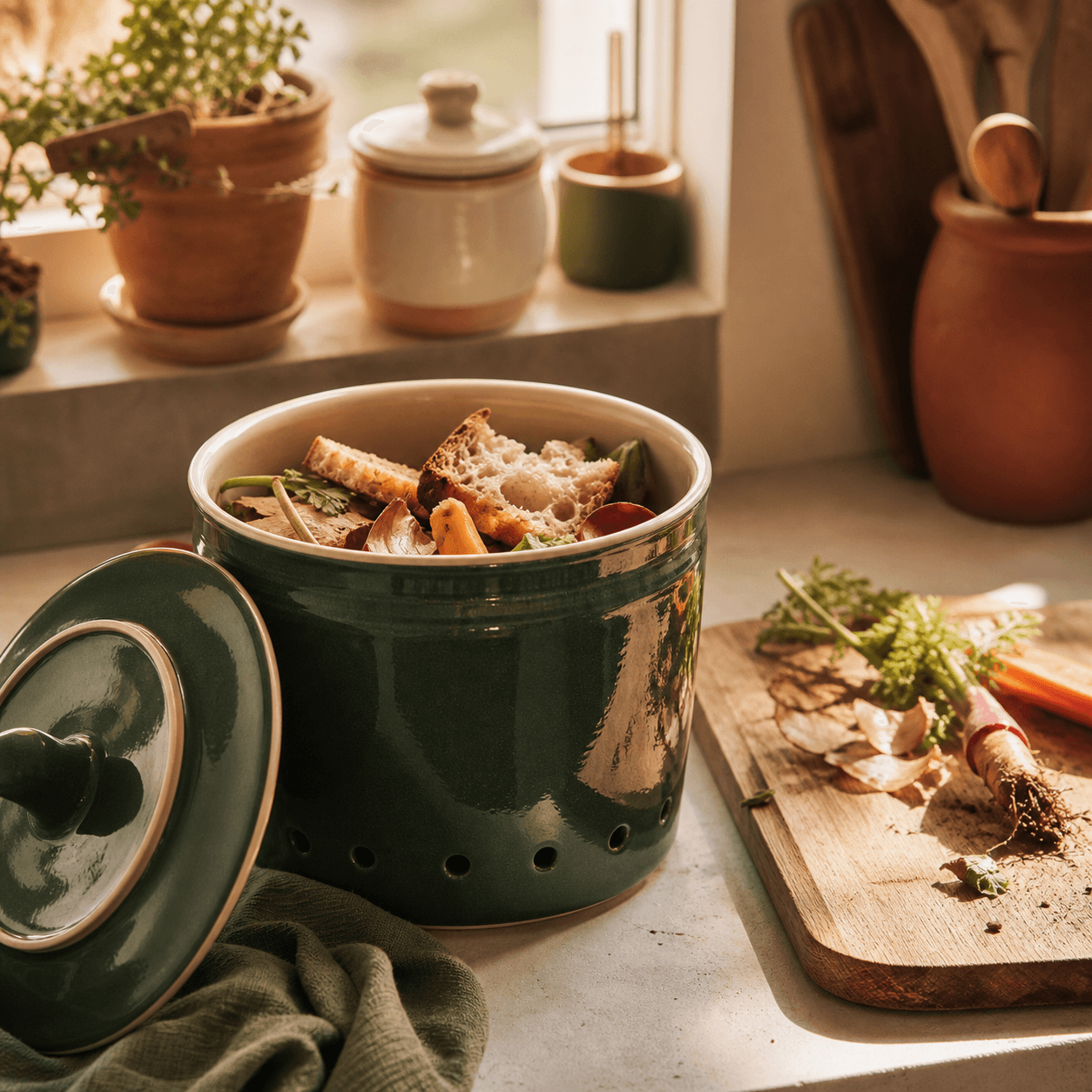
- Bokashi fermentation: two to four weeks to the pre-compost stage, then a few more weeks buried in soil.
The gap between cold and hot composting is enormous, and it comes down to how much you manage the pile. A cold pile is the set-it-and-forget-it option, forgiving but slow. A hot pile asks for regular attention and rewards you with compost in a fraction of the time.
The pile is not lazy. If nothing is happening, it is missing one of four things: air, moisture, nitrogen, or size. Fix those and it moves.
Why Hot Composting Is So Much Faster
Hot composting works because you are deliberately feeding the microbes that do the decomposition. When conditions are ideal, the center of the pile heats up to 130 to 160 degrees Fahrenheit, and at those temperatures organic matter breaks down astonishingly fast.
To reach and hold that heat, you need a few things dialed in:
- A big enough pile, at least three feet in every direction, to insulate its own core.
- A good green-to-brown balance, roughly two to three parts browns to one part greens.
- Enough moisture, damp like a wrung-out sponge.
- Regular turning, every few days to a week, to reintroduce oxygen.
Miss any one of these and the pile cools off and slows down. Hit all four and it becomes a genuine heat engine.
How to Speed Things Up
Whatever method you use, a handful of habits will meaningfully shorten the wait.
Chop Everything Smaller
This is the most underrated trick. Microbes work on surface area, so a whole broccoli stalk decomposes slowly while chopped pieces vanish in weeks. Run leaves over with a mower, cut kitchen scraps down, and snap or shred woody bits before they go in.
Balance, Moisten, and Turn
- Balance your greens and browns so microbes have both the nitrogen and carbon they need.
- Moisten a dry pile as you build it, since decomposition stalls without water.
- Turn regularly to feed oxygen to the aerobic microbes doing the heavy lifting.
Reading the Finish Line
No matter the timeline, you will know compost is done by the same signs: it is dark, crumbly, and smells like rich earth, with none of the original scraps still recognizable. Do not rush that final stage, since immature compost can stunt plants.
The real lesson from my abandoned first pile is that speed is a choice. Leave a pile alone and nature takes its slow, reliable course over a year or more. Chop, balance, moisten, and turn, and you can hold finished compost in your hands by the end of a season. Pick the pace that fits your patience, and know that either way, the pile will get there.
James Carter
Composting & Soil Specialist
James is a lifelong allotment grower who's happiest with a fork in a compost heap. He covers composting, soil health, and closing the loop in the garden. More from James →