How to Fix Common Composting Problems
Learn how to fix common composting problems like bad smells, slow piles, pests, and too much moisture with simple adjustments to airflow and balance.

Even experienced composters run into trouble. The pile that was working beautifully all spring starts reeking by July, or the bin you set up in October is somehow still a heap of recognizable vegetable peels come April.
Here is the reassuring part: these problems are almost always fixable, and they usually come down to one or two small things being off. Once you know how to fix common composting problems, you will spot the cause quickly and get the pile back on track. Let me walk through the ones I hear about most.
The Pile Smells Bad
A stinky compost pile is the most common complaint I hear, and it almost always means the same thing: too wet, too compacted, and not enough airflow. When a pile goes anaerobic, the microbes that thrive without oxygen produce that sour, rotten-egg smell.
The fix is straightforward:
- Turn the pile with a fork to open it up and let oxygen back in.
- Add dry browns like shredded cardboard, dried leaves, or straw to soak up excess moisture.
- Break up clumps of matted grass or food that block air from moving.
If it smells specifically like ammonia, you have too much nitrogen. That is a green overload, so pile on more browns until the smell fades. Within a day or two of turning and balancing, most odors disappear.
A healthy compost pile smells like a forest floor after rain. Any other smell is the pile telling you exactly what it needs.
The Pile Isn't Breaking Down
A pile that just sits there, unchanged for months, is usually missing one of three things: moisture, nitrogen, or warmth. Cold, dry, all-brown piles can stall almost indefinitely.
Diagnose the Cause
- Too dry? Grab a handful. If it does not clump like a wrung-out sponge, add water as you turn it.
- Too many browns? If it is all leaves and paper with no food scraps, mix in greens like vegetable trimmings, coffee grounds, or grass clippings.
- Pieces too big? Whole stalks and thick branches take forever. Chop materials smaller to speed things up.
- Too small a pile? A heap under about three feet across struggles to hold heat. Build it up.
Turning the pile regularly reintroduces air and redistributes moisture, which alone can wake up a stalled batch.
Pests Are Moving In
If you are seeing rats, raccoons, or flies, the culprit is almost always the wrong materials or exposed food.
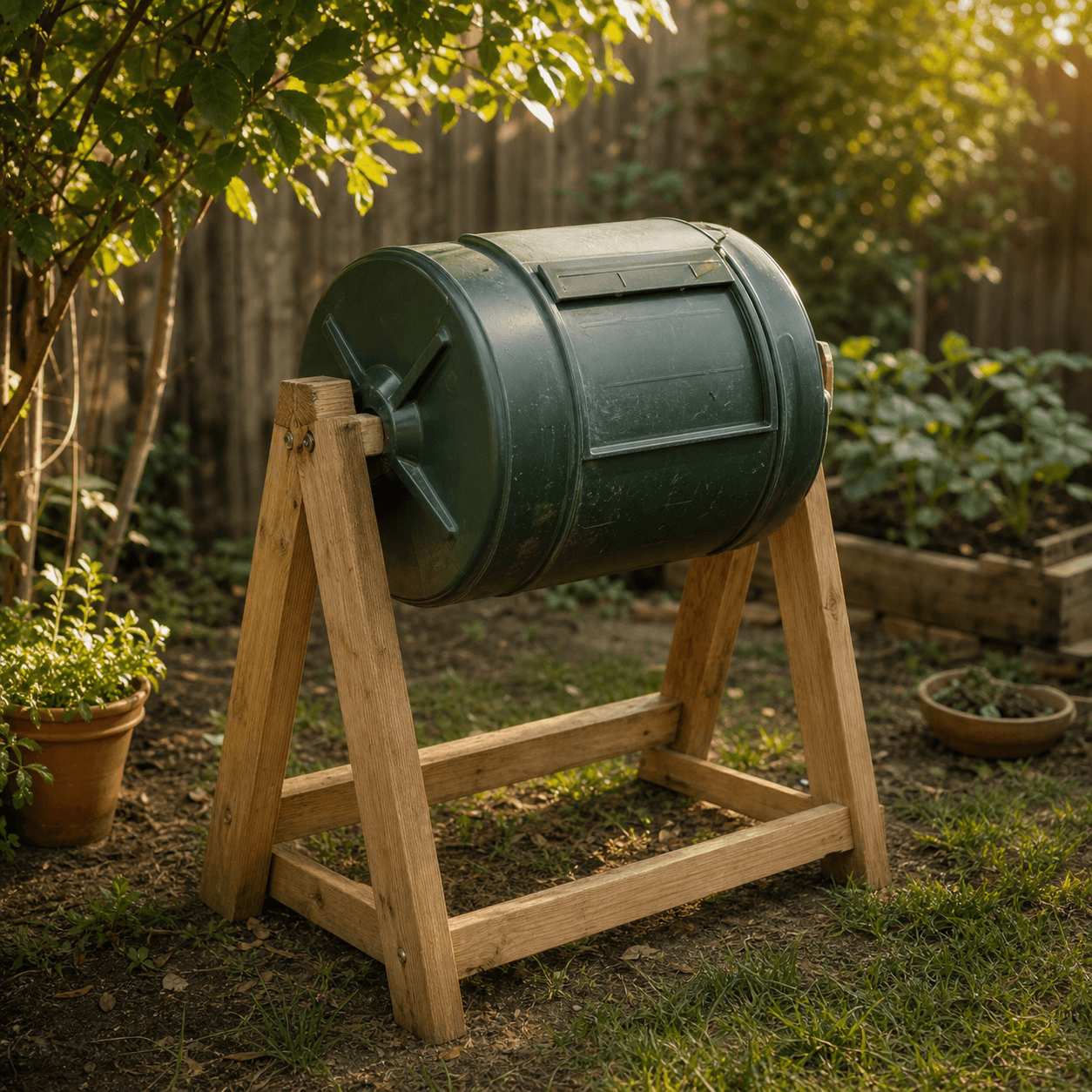
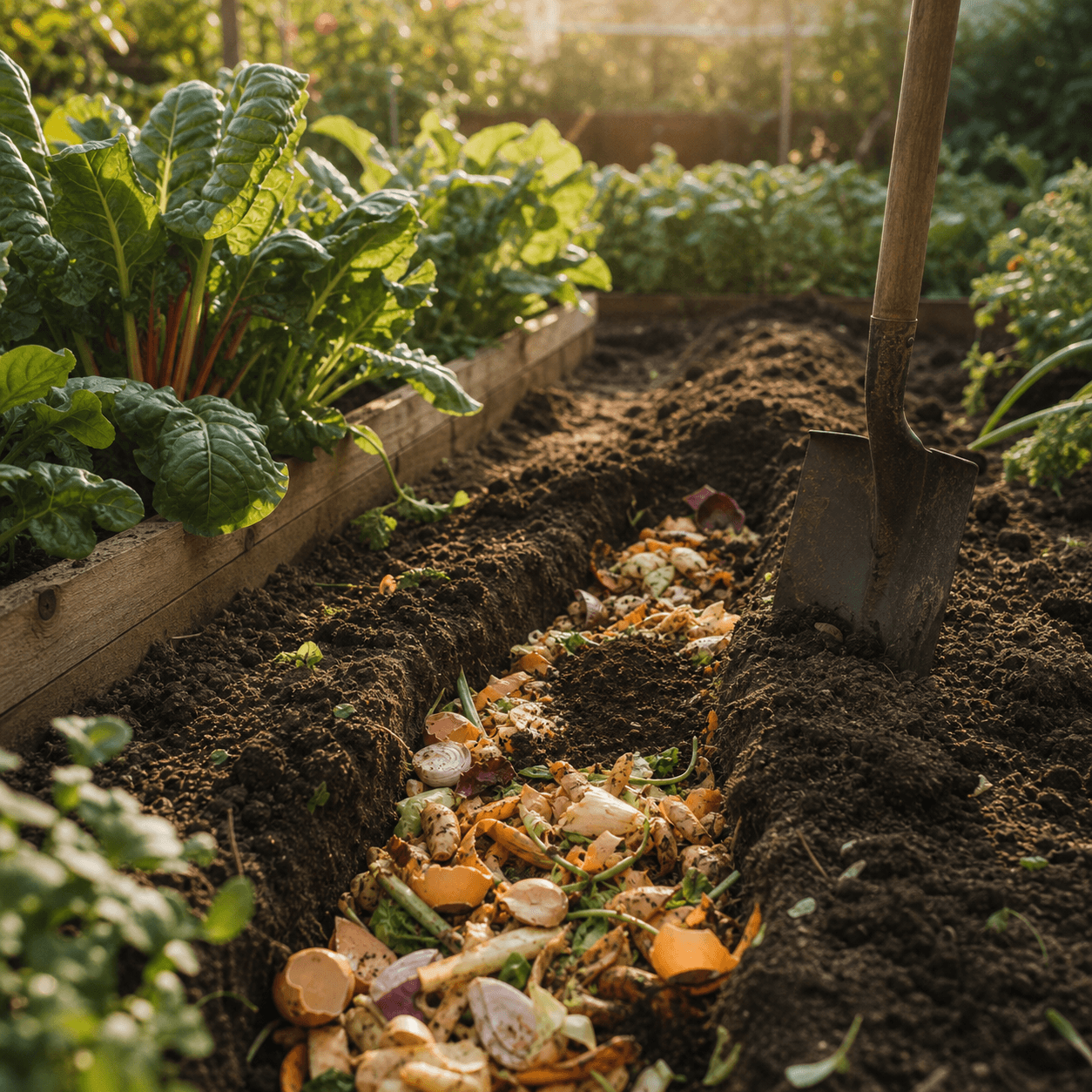
Keep meat, dairy, oily foods, and cooked leftovers out of an open pile entirely, since these are what draw rodents. Always bury fresh food scraps in the center of the pile rather than leaving them on top, and cover them with a layer of browns. For persistent pests, switch to an enclosed bin or a tumbler with a secure lid.
The Pile Is Too Wet or Too Dry
Moisture is the variable that trips people up most. Too wet and it goes anaerobic and smelly; too dry and it stops decomposing.
For a soggy pile, mix in dry browns and turn it to release trapped water, and cover an open pile during heavy rain. For a bone-dry pile, water it lightly as you turn, layer by layer, until it feels evenly damp. Aim for that wrung-out-sponge feel every time, which is the sweet spot where microbes do their best work.
Getting Back on Track
Notice how nearly every fix circles back to the same handful of levers: airflow, moisture, and the balance of greens to browns. Master those three, and you can diagnose almost any composting problem on sight.
When something goes wrong, resist the urge to give up on the pile. Turn it, check the moisture, adjust the balance, and give it a few days. Composting is remarkably forgiving, and a pile that looks like a disaster today is usually just a fork-turn and a scoop of browns away from thriving again.
Frequently Asked Questions
Why does my compost pile smell bad?
A foul, rotten-egg smell almost always means the pile is too wet, too compacted, and short on oxygen, which lets anaerobic microbes take over. Turn the pile with a fork to let air back in, mix in dry browns like shredded cardboard or leaves to absorb moisture, and break up any matted clumps blocking airflow. Most odors disappear within a day or two of turning and rebalancing.
What does it mean when compost smells like ammonia?
An ammonia smell means the pile has too much nitrogen, which is a green overload from things like grass clippings, food scraps, or coffee grounds. The fix is simply to add more browns such as dry leaves, straw, or shredded cardboard until the smell fades. Turning the pile as you add them helps mix the material and speeds the correction.
Why is my compost not breaking down?
A pile that just sits there is usually missing one of three things: moisture, nitrogen, or warmth. Check whether it is too dry and needs water, too heavy on browns and needs greens like vegetable trimmings, or made of pieces too big and coarse to break down. A heap under about three feet across also struggles to hold heat, so build it up and turn it regularly.
How do you get rid of fruit flies in a compost pile?
A cloud of fruit flies simply means food scraps are exposed near the surface, not that the pile has failed. Every time you add kitchen waste, bury it a few inches down and top it with a generous handful of dry leaves or shredded cardboard. That single layer of browns hides the food, and the flies lose interest within a few days.
How do you fix a compost pile that is too wet?
Mix in plenty of dry browns and turn the pile to release trapped water and restore airflow, and cover an open pile during heavy rain to keep it from getting soggy again. Aim for a wrung-out-sponge feel, which is the moisture level where microbes work best. A bone-dry pile needs the opposite treatment: water it lightly, layer by layer, as you turn it.
James Carter
Composting & Soil Specialist
James is a lifelong allotment grower who's happiest with a fork in a compost heap. He covers composting, soil health, and closing the loop in the garden. More from James →