How to Use Compost in Your Garden: Complete Beginner's Guide
A beginner's guide to using compost in your garden, covering how to tell it's finished, how much to apply, and the best ways to feed beds and plants.
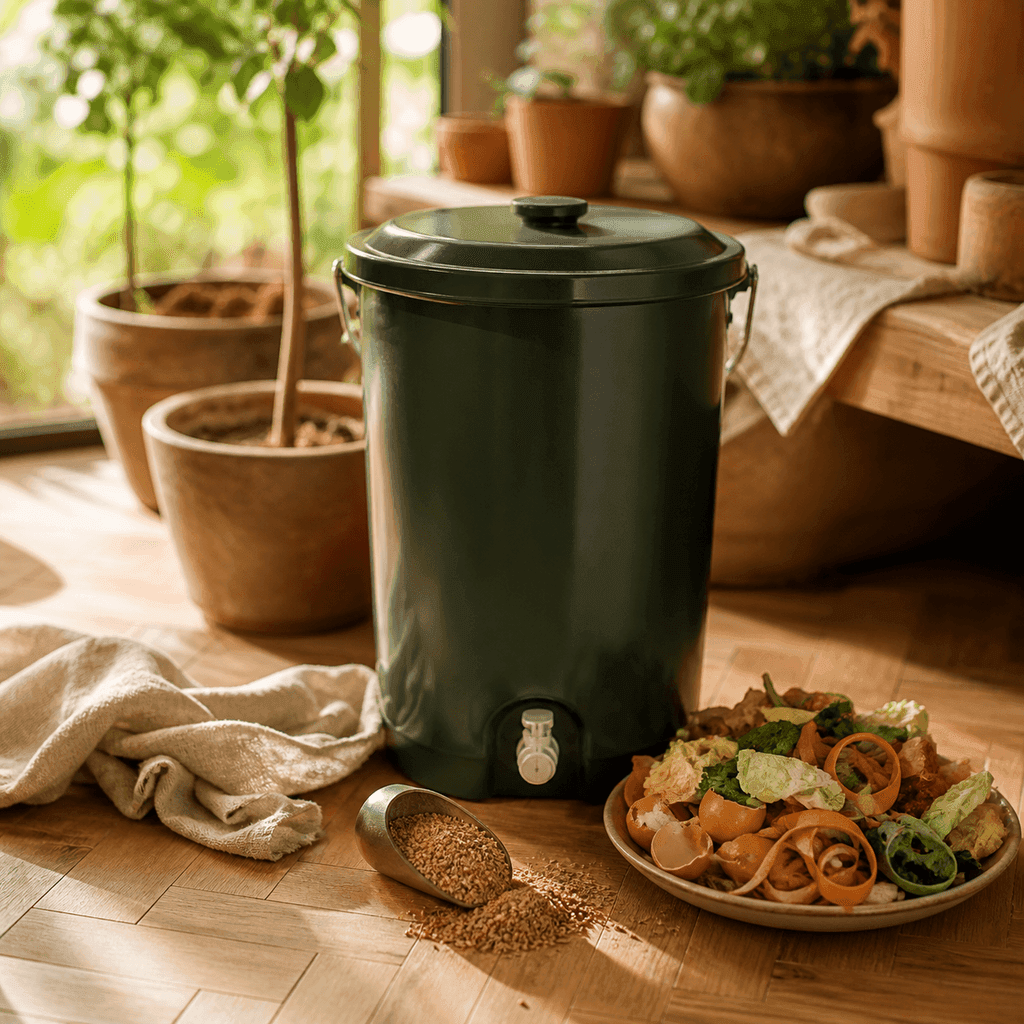
Getting your first batch of finished compost is genuinely exciting, and then you find yourself standing there holding a bucket of dark crumbly stuff, wondering what on earth comes next. I have been there.
I actually made a rookie mistake with my first batch and dumped way too much on a seedling tray, and it burned half of them. So I have walked the learning curve so you do not have to. This beginner's guide to using compost in your garden covers exactly how to tell it is ready and where to put it for the best results.
What Finished Compost Looks Like
Before you spread anything, make sure it is actually done. Unfinished compost can rob nitrogen from your soil and even harm tender plants.
You are looking for material that is:
- Dark brown to nearly black in color.
- Crumbly and loose, like coarse chocolate cake.
- Earthy-smelling, like a forest floor after rain, never sour or rotten.
- Unrecognizable, with no visible chunks of vegetable, eggshell, or paper.
If you can still spot the banana peel you tossed in, give it more time. When in doubt, screen the compost through a piece of hardware cloth and return any big pieces to the pile to keep breaking down.
Compost is not fertilizer in the usual sense. It is a living soil amendment, feeding the microbes that in turn feed your plants.
How Much to Use
The most common beginner mistake, and the one I made, is using too much. More is not better here. Compost is rich, and overdoing it can overwhelm seedlings and throw off your soil's balance.
For most uses, a one to two inch layer worked into the top few inches of soil is plenty. Established beds only need a fresh topdressing once or twice a year. Around delicate seedlings, use a light hand, mixing a small amount into the surrounding soil rather than planting directly into pure compost.
The Best Ways to Apply It
Compost is versatile, and how you use it depends on what you are growing.
Topdressing Beds
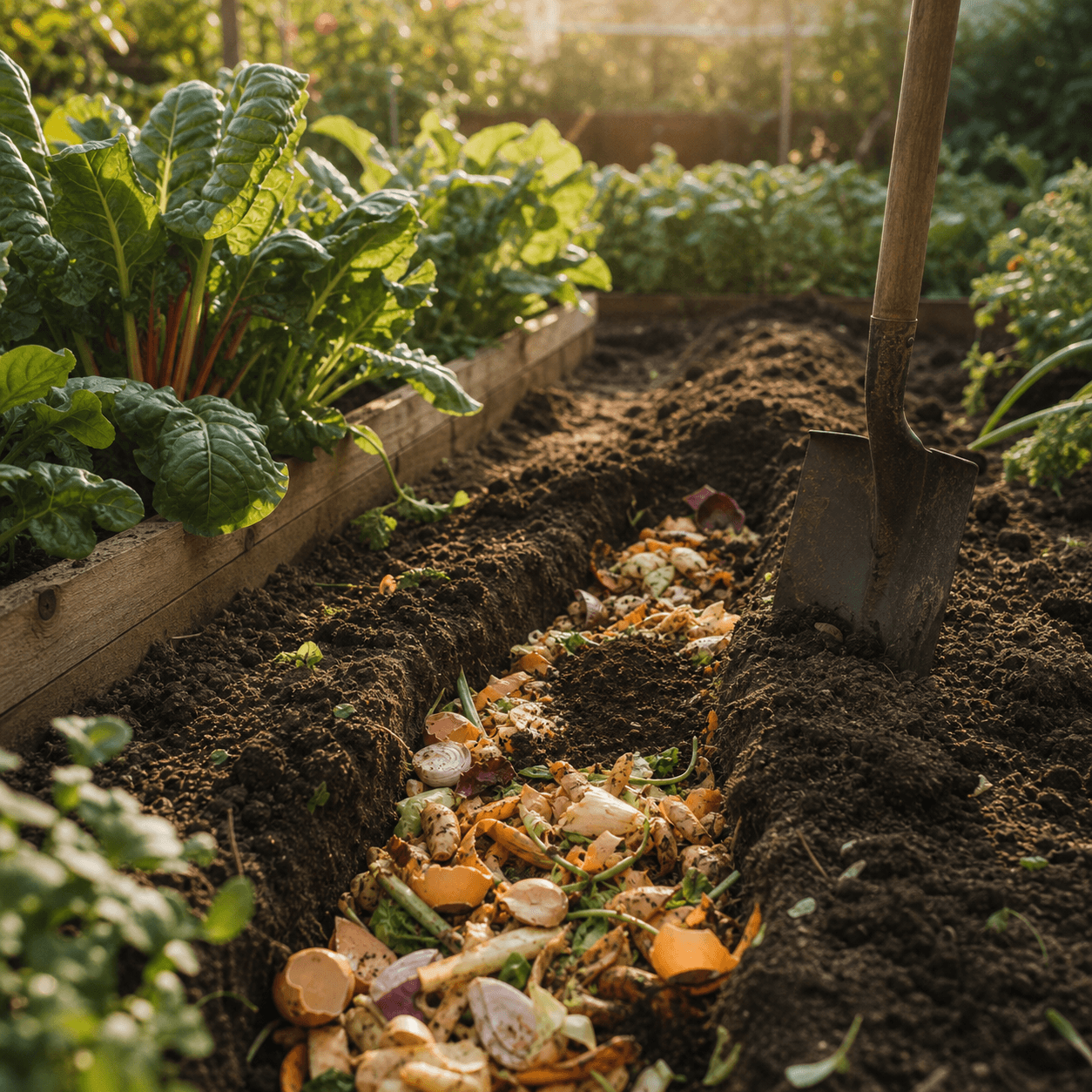
Spread an inch or two over the surface of existing garden beds and lightly rake it into the top layer, or leave it on top if you garden no-dig. The nutrients work their way down with rain and watering.
Planting Holes
When transplanting seedlings or setting out new plants, mix a generous handful of compost into each hole and blend it with the native soil. This gives roots an immediate, gentle boost right where they need it.
Mulch and Containers
- As mulch, a layer of compost around perennials and shrubs feeds them while suppressing weeds and holding moisture.
- In containers, blend compost into potting mix at roughly one part compost to three parts mix, never pure compost, since pots drain differently than garden soil.
Timing It Right
When you apply compost matters almost as much as how. The ideal windows are early spring, as you prepare beds for planting, and fall, when you can spread a layer to enrich the soil over winter.
Heavy feeders reward the most generous helping. Tomatoes, squash, peppers, and leafy greens all thrive with compost worked in at planting time. Lighter feeders like herbs and many root crops need far less, so save your richest applications for the plants that will actually use them.
Putting It All to Work
The whole thing is simpler than it feels the first time you are holding that bucket. Confirm the compost is finished, apply a modest amount rather than a mountain, and match the method to the plant.
Do that, and you will see the payoff within a season: darker, springier soil, plants that shrug off stress more easily, and beds that need less watering and fewer inputs over time. That bucket of dark crumbly stuff really is the best free thing you can give your garden, as long as you use it with a light and steady hand.
Frequently Asked Questions
How can you tell when compost is finished and ready to use?
Finished compost is dark brown to nearly black, crumbly and loose like coarse chocolate cake, and smells earthy like a forest floor rather than sour. You should not be able to recognize the original food scraps, eggshells, or paper. If you still spot chunks, screen it through hardware cloth and return the big pieces to keep breaking down, since unfinished compost can rob nitrogen from your soil.
How much compost should you add to a garden bed?
For most uses, a one to two inch layer worked into the top few inches of soil is plenty, and established beds only need a fresh topdressing once or twice a year. More is not better with compost, since it is rich and overdoing it can overwhelm plants and throw off your soil balance. Use an especially light hand around delicate seedlings.
Can you plant directly in pure compost?
No, compost is a soil amendment rather than a growing medium, and planting straight into pure compost can burn tender roots, especially on seedlings. Instead, mix a handful into each planting hole and blend it with native soil, or work a thin layer into existing beds. In containers, blend it at roughly one part compost to three parts potting mix.
What is compost tea and how do you make it?
Compost tea is a mild liquid fertilizer made by steeping finished compost in water. Soak a shovelful in a bucket of water for a day or two, stirring occasionally, then strain out the solids. Pour the liquid around the base of plants or use it to water containers, where it delivers nutrients and beneficial microbes in a form roots take up quickly.
When is the best time of year to apply compost?
The two ideal windows are early spring, as you prepare beds for planting, and fall, when a fresh layer enriches the soil over winter. Heavy feeders like tomatoes, squash, peppers, and leafy greens reward the most generous helping worked in at planting time. Lighter feeders like herbs and many root crops need far less.
Sarah Mitchell
Founder & Editor
Writer, home cook, and slightly obsessive gardener sharing small, doable ways to live a little lighter. Sarah started Earth Friendly Blogs at her own kitchen table. More from Sarah →