How to Build a Pollinator Garden This Spring: Complete Guide
A complete guide to building a pollinator garden this spring, with native plants, continuous bloom, and pesticide-free care for bees and butterflies.
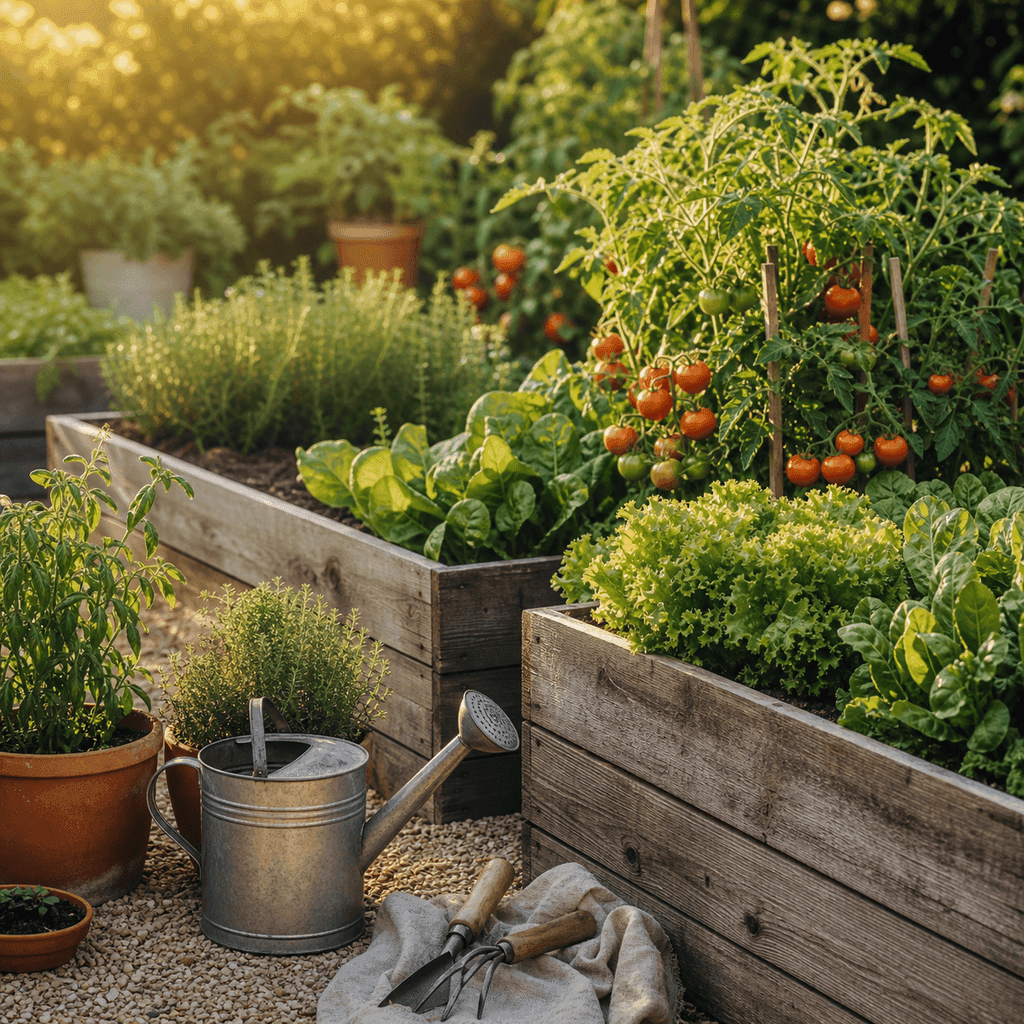
A pollinator garden might be the most meaningful eco project you can tackle this spring, and you don't need a big yard to do it. A few containers on a balcony, planted with intention, can make a real difference for the bees and butterflies in your neighborhood.
This complete guide walks you through building one from scratch: why it matters right now, which plants to choose, and how to keep it thriving without a drop of pesticide. Learning how to build a pollinator garden is genuinely one of the highest-impact things a home gardener can do.
Why Build a Pollinator Garden Now
The numbers are hard to ignore. Bee and butterfly populations have taken a serious hit over the last few decades, driven by habitat loss, pesticide use, and monoculture farms growing a single crop as far as the eye can see.
Your backyard won't reverse all of that on its own, but pollinator gardens work as a network. Each planted patch becomes a stepping stone, a place to refuel and shelter between larger habitats. Together, thousands of small gardens form corridors that help pollinators move, feed, and reproduce across an increasingly paved landscape.
And these are the insects doing the quiet work behind roughly a third of the food we eat. Helping them is far from abstract.
Choose the Right Plants
Plant choice is where a pollinator garden succeeds or fails. The single most important rule: favor native plants. They've evolved alongside your local pollinators, offer the right nectar and pollen, and serve as host plants for caterpillars in a way that most ornamentals can't.
Look for a mix that covers different needs:
- Native perennials like coneflower, bee balm, and milkweed.
- Early bloomers such as crocus and willow for bees emerging hungry in spring.
- Host plants, especially milkweed for monarch caterpillars.
- Herbs left to flower, like oregano, thyme, and borage.
Plant milkweed if you plant nothing else. It's the only thing monarch caterpillars can eat, and it's disappearing from the landscape fast.
Design for Continuous Bloom
Pollinators need food across the entire season, not just one glorious week in June. The goal is overlapping waves of bloom from early spring right through fall.
Sketch out a simple bloom calendar and fill any gaps:
- Spring: crocus, willow, fruit tree blossoms, columbine.
- Summer: coneflower, bee balm, lavender, black-eyed Susan.
- Fall: aster, goldenrod, sedum for the late-season rush.
Plant in clusters of at least three to five of the same species rather than scattering singles. Big blocks of one color are far easier for pollinators to spot and let them forage efficiently without darting all over the yard.
Add Water and Shelter
Food is only part of the equation. Pollinators need somewhere to drink and somewhere to rest or nest.
Water is easy: a shallow dish with pebbles for bees to land on, refilled every couple of days, does the job. For shelter, leave a patch of bare, undisturbed ground where native ground-nesting bees can burrow, keep a small brush pile in a corner, and resist the urge to cut back every stem in fall.
Getting Started This Season
- Pick a sunny spot; most nectar plants want six hours of sun.
- Start with three or four native species you can plant in clusters.
- Add a shallow water dish nearby.
- Commit to zero pesticides from day one.
Start small this spring and expand as you go. Within weeks you'll see your first visitors, and by summer your garden will be humming, proof that even a modest patch can become a genuine refuge for the pollinators we all depend on.
James Carter
Composting & Soil Specialist
James is a lifelong allotment grower who's happiest with a fork in a compost heap. He covers composting, soil health, and closing the loop in the garden. More from James →