Composting in Spring: Getting Maximum Output for Your Garden
Get maximum output from composting in spring by harvesting finished compost, rebalancing your pile, and feeding your garden beds right at planting time.
Spring is when composting actually gets exciting. Everything that sat quietly through the cold months is ready to wake up and get to work, and your garden beds are practically waiting to be fed.
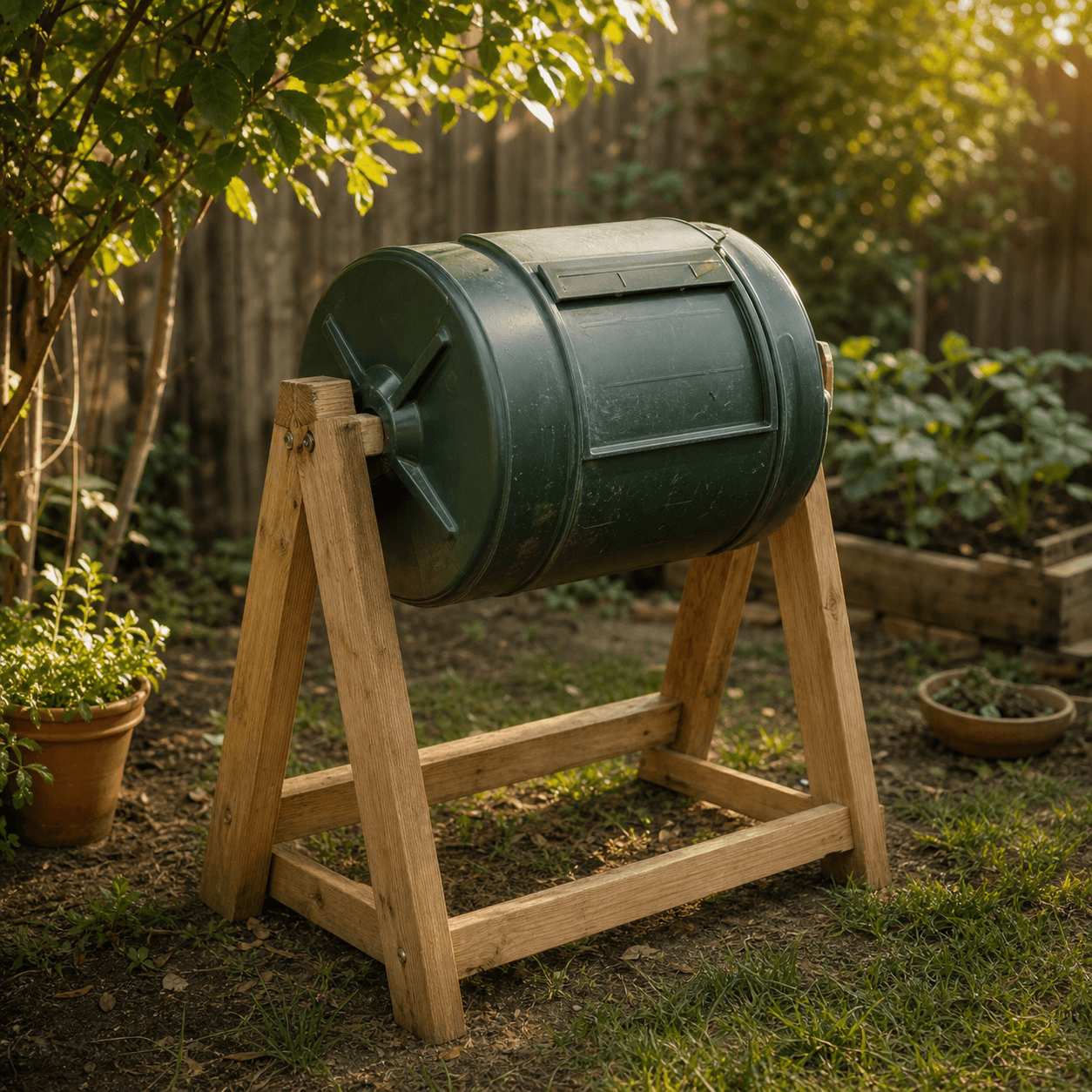
This is the sweet spot of the composting year. Composting in spring is really about two things happening at once: harvesting the rich, finished material that formed over winter, and firing the pile back up so it keeps producing through the growing season. Get both right and you'll have a steady supply of the best free soil amendment there is.
Harvesting Winter Compost
This is the most satisfying part of the whole process. Dig down to the bottom of your pile and you'll likely find it: dark, crumbly, almost chocolatey-smelling material that no longer looks like the scraps you tossed in.
That's finished compost, and early spring is exactly when you want it. Here's how to get it out cleanly:
- Lift or fork off the fresher top layer and set it aside.
- Scoop the finished compost from the bottom into a wheelbarrow or bucket.
- Screen it through a piece of hardware cloth if you want a fine texture.
- Return any chunky, unfinished bits to the pile to keep breaking down.
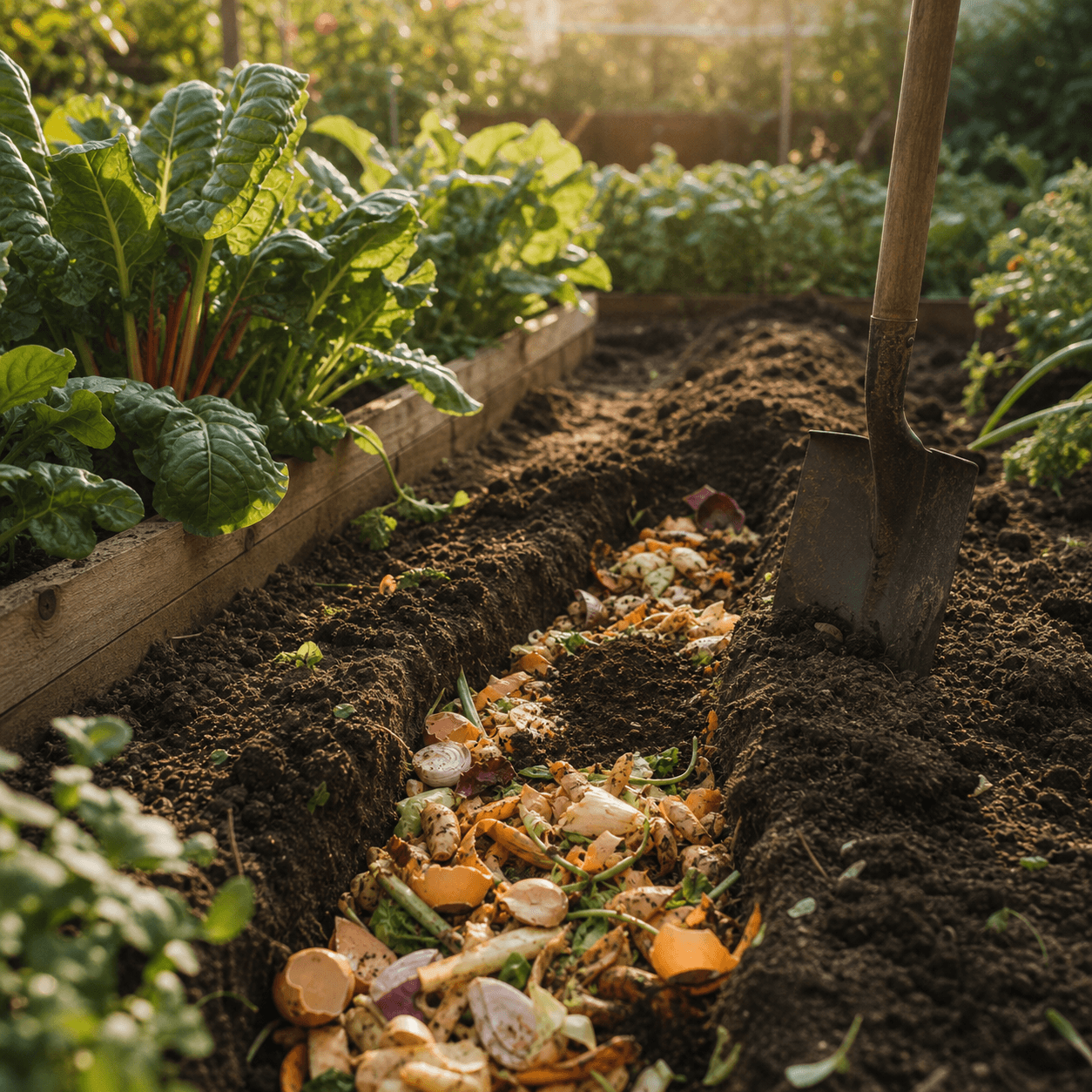
Apply the finished compost to your beds right away, while you're preparing them for planting. Spread an inch or two over the surface and lightly work it into the top few inches of soil, or simply leave it on top if you garden no-dig.
Finished compost isn't fertilizer in the usual sense. It's a whole living ecosystem you're handing to your plants.
Rebalancing the Pile for Warm Weather
Once you've harvested, the pile needs a reset to fire back up. Cold weather slows everything down, so what remains is often soggy, matted, and heavy on wet greens from winter kitchen scraps.
Fix the balance by adding browns, the carbon-rich dry stuff:
- Shredded fall leaves you saved, or straw
- Torn cardboard and plain paper
- Small twigs and woody prunings for airflow
Aim for roughly two to three parts brown to one part green by volume. Turn the whole pile to mix it, break up any dense clumps, and check the moisture. It should feel like a wrung-out sponge, damp but not dripping.
Feeding the Pile Through Spring
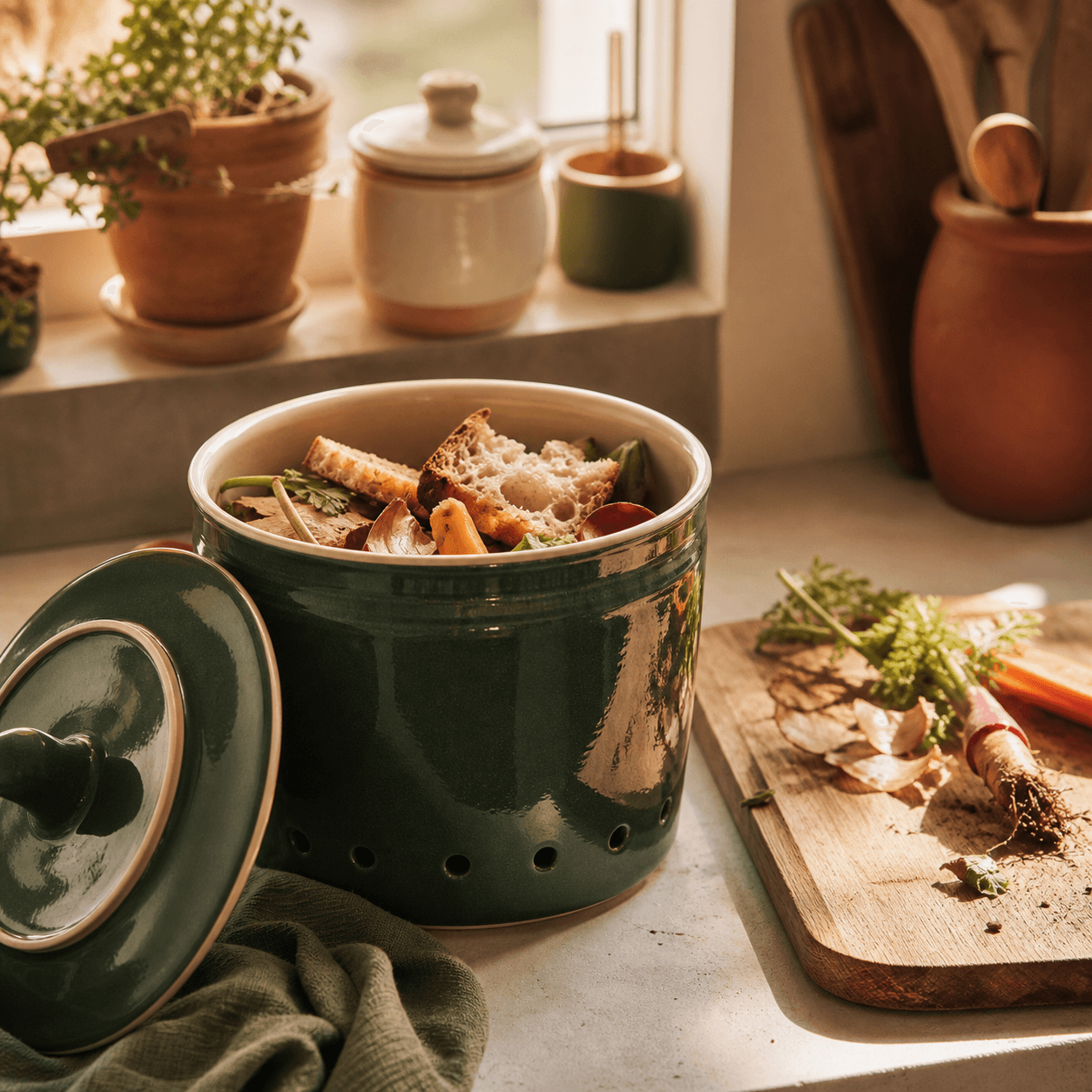
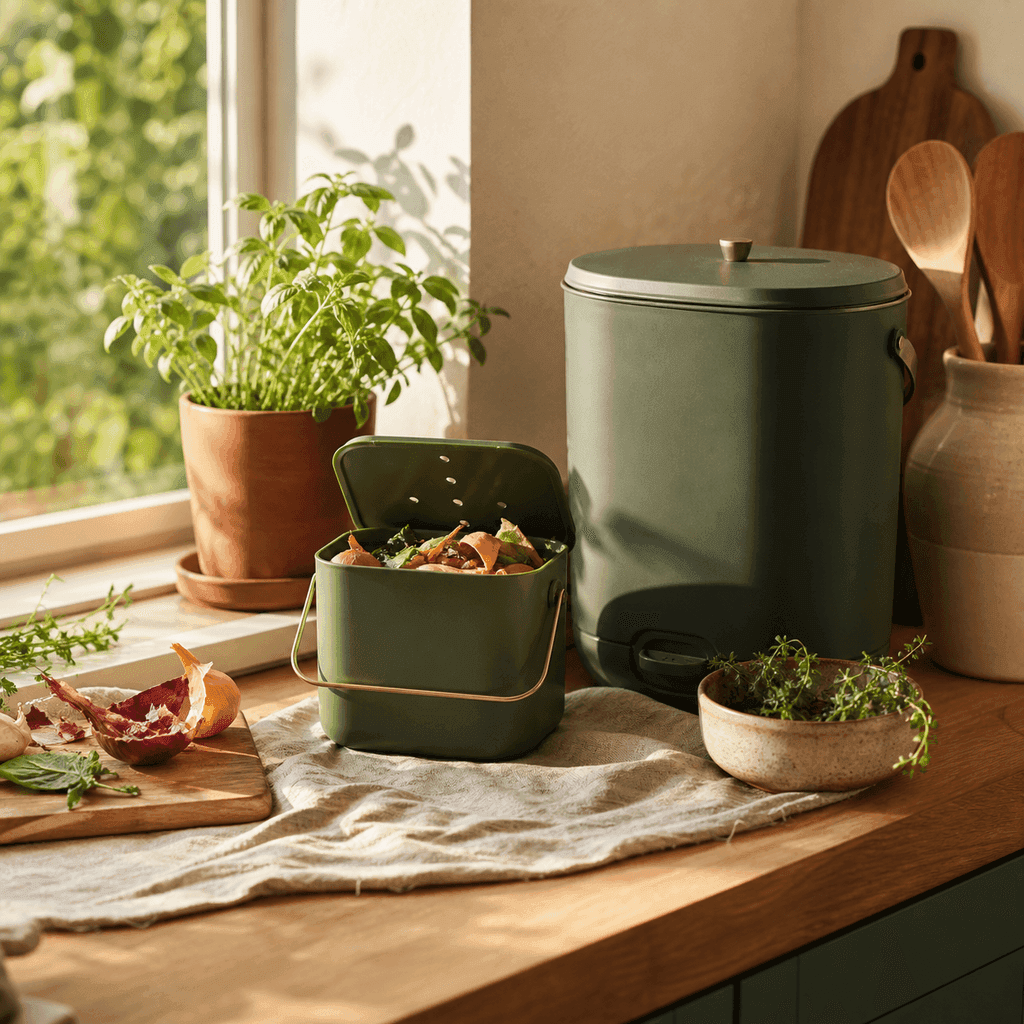
With warmer temperatures and a balanced mix, your pile becomes a fast, hungry system. Spring generates plenty of fuel to keep it fed: grass clippings, garden trimmings, and the steady stream of kitchen scraps.
Keep it productive by chopping materials smaller so they break down quicker, alternating greens and browns as you add them, and turning every week or two to keep oxygen moving. A pile that heats up in the center is working exactly as it should.
Using Compost Where It Counts
Not all garden spots need compost equally, so spend your harvest where it does the most good. Prioritize the heavy feeders: tomatoes, squash, and leafy greens all reward a generous helping worked in at planting.
Quick Ways to Apply It
- Topdress existing beds with an inch spread over the surface.
- Mix a few handfuls into each planting hole for transplants.
- Brew a simple compost tea by steeping a scoop in water for a gentle liquid feed.
- Mulch around perennials to feed and suppress weeds at once.
Handled well, spring composting sets the tone for your entire growing season. You harvest the reward of last year's scraps, rebuild the pile for the months ahead, and send your plants into summer growing in soil that's genuinely alive.
James Carter
Composting & Soil Specialist
James is a lifelong allotment grower who's happiest with a fork in a compost heap. He covers composting, soil health, and closing the loop in the garden. More from James →