Spring Herb Garden Expansion: How to Grow More Herbs This Season
Grow more herbs this spring by dividing perennials, taking cuttings, and adding a few new varieties for free plants and bigger harvests.
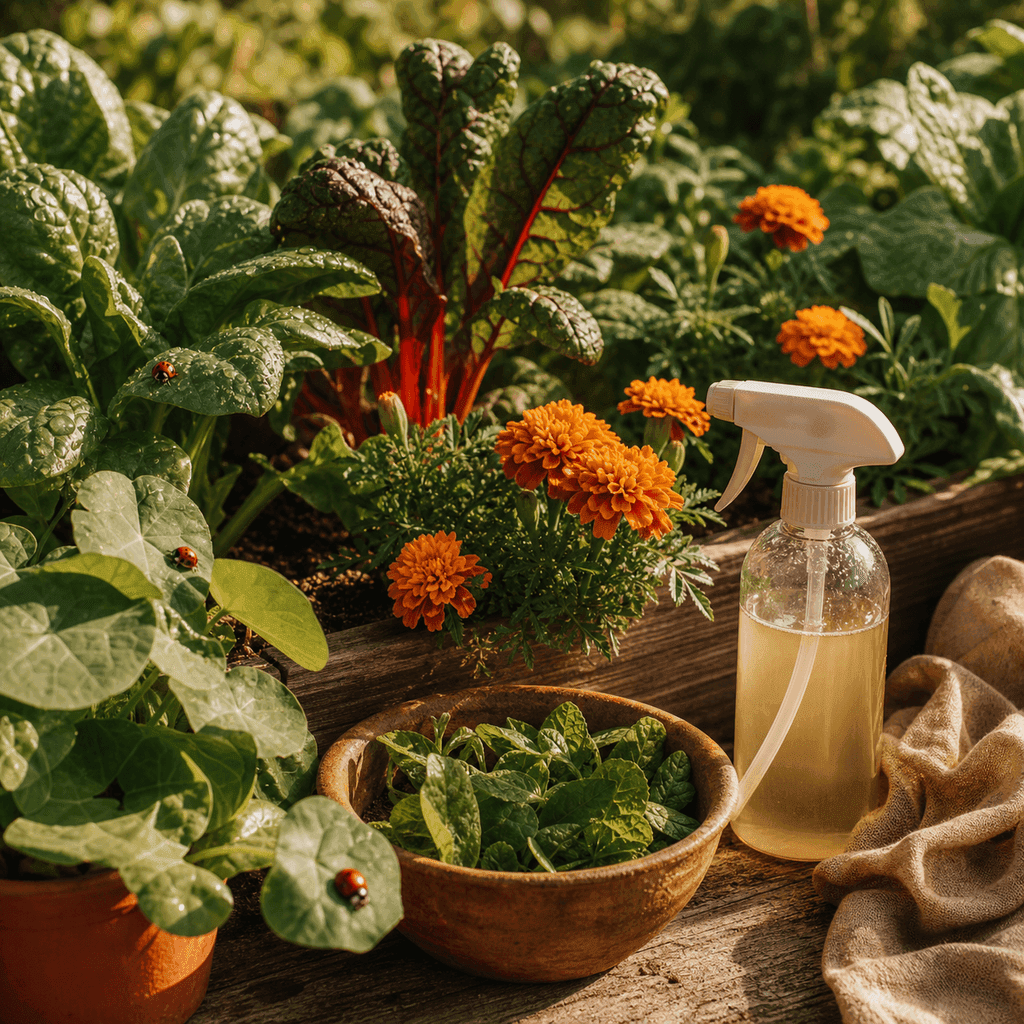
So you started a small herb garden last season, maybe a few pots on the patio or a little patch by the back door. Good news: spring is the perfect time to turn that modest start into something a lot more abundant.
A spring herb garden expansion doesn't have to mean a trip to the nursery, either. Dividing established plants, taking a few stem cuttings, and trying a couple of new varieties are all low-cost, often zero-cost ways to seriously grow what you already have. Here's how I do it each year.
Divide Perennial Herbs
Dividing is the fastest, cheapest way to multiply the herbs you've already got. Several perennial herbs actually grow better for it, since a crowded old clump gets woody and less productive over time.
Chives, mint, oregano, tarragon, and lemon balm all appreciate division every two to three years. In early spring, when new growth is just emerging:
- Dig up the entire clump with a fork, keeping the roots intact.
- Separate it into two or three sections using a sharp knife or just your hands.
- Make sure each section has both healthy roots and shoots.
- Replant the divisions right away and water them in well.
You've just turned one plant into three, refreshed the parent, and set yourself up for bigger harvests.
Mint especially will thank you for dividing it, and your neighbors will thank you when you hand off the extras.
Take Stem Cuttings
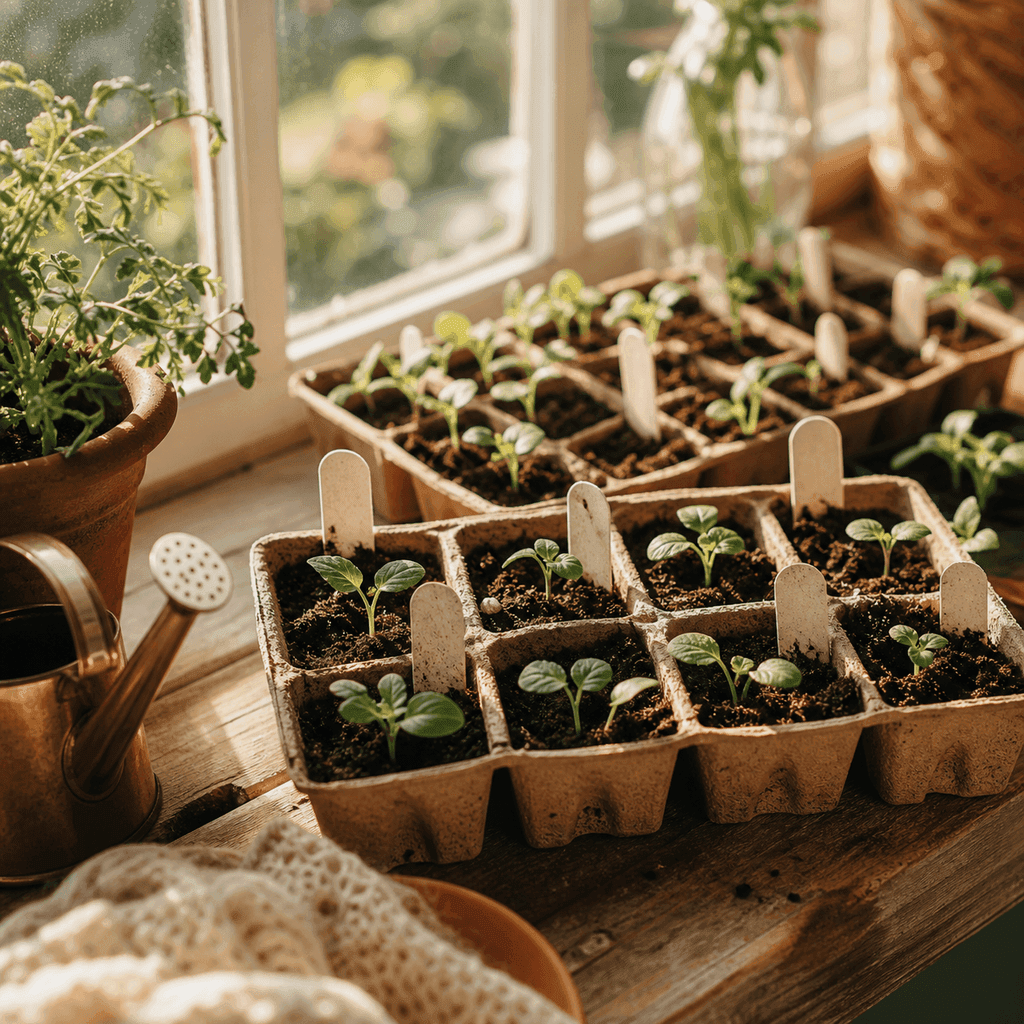
For woody herbs that don't divide neatly, cuttings are the way to go. Rosemary, thyme, sage, and oregano all root readily from soft spring growth.
Snip a four to six inch stem just below a leaf node, strip the lower leaves, and set it in water or moist potting mix out of direct sun. Within a couple of weeks you'll see roots forming, and each cutting becomes a whole new plant for the cost of nothing at all. Basil is the easiest of the bunch; a cutting in a glass of water on the windowsill roots in under a week.
Add a Few New Varieties
Expansion is also a great excuse to try something you've never grown. Branching out keeps cooking interesting and supports more pollinators when the herbs flower.
Worth considering this spring:
- Cilantro and dill, quick from seed and endlessly useful in the kitchen.
- Lemongrass or lemon verbena for a bright citrus note.
- Winter savory or lovage, old-fashioned herbs you rarely find in stores.
- Flowering herbs like borage and calendula that draw in bees.
Most of these start easily from a single inexpensive seed packet, so a new variety costs a couple of dollars at most.
Keep the Harvest Coming
Once your herbs are established, regular harvesting is what keeps them lush all season. Pinching the tips encourages bushier growth, and cutting back flowering stems on basil and cilantro delays them going to seed.
Simple Season-Long Habits
- Harvest in the morning, when essential oils are strongest.
- Never take more than a third of a plant at once.
- Pinch off flower buds on leafy herbs to prolong the harvest.
- Dry or freeze the surplus so nothing goes to waste.
Free plants, healthier growth, bigger harvests: that's really all there is to it. Spend an afternoon dividing and taking cuttings this spring, and by summer you'll have more fresh herbs than you know what to do with.
David Brooks
Organic Gardening Writer
David grows food on a suburban plot and loves a good repair. He writes about organic gardening, pollinators, and doing more with less out in the yard. More from David →