The grocery store is honestly where most of our household packaging mess comes from. But here’s the thing — a few small shifts in how you shop can seriously cut that waste down without forcing you to overhaul your diet or drive to some specialty store across town.
Buy Produce Loose, Not Pre-Packaged
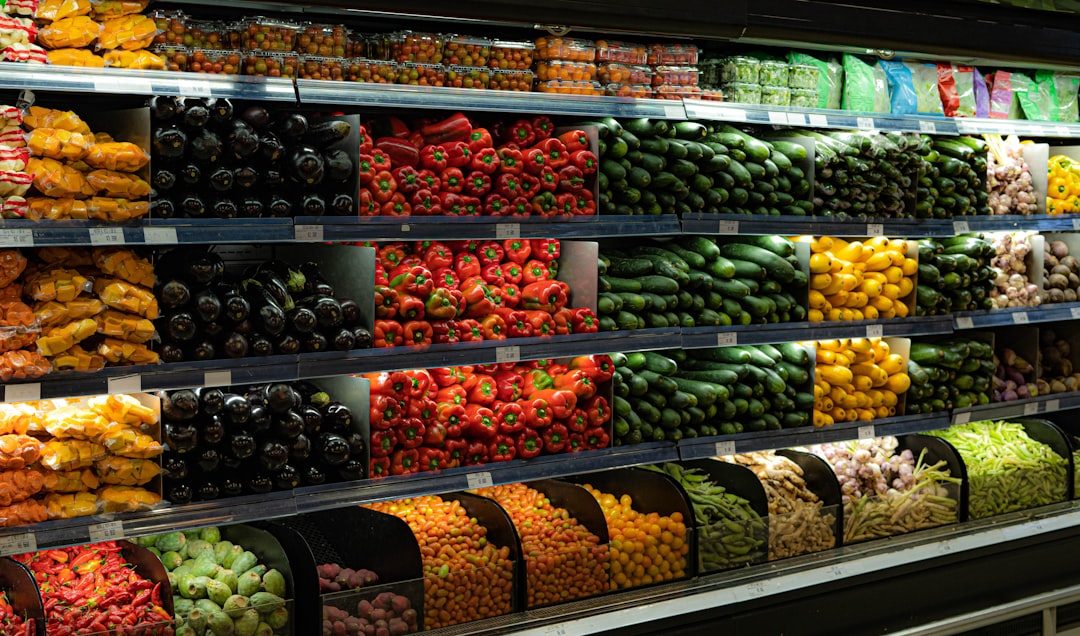
That apple in a plastic clamshell? Nutritionally identical to the one sitting loose in the bin next to it. I know it sounds obvious, but I used to grab the pre-packed bags out of habit without even thinking. Bringing a few mesh produce bags — I got a set of five for about $8 on Amazon — means you can skip the store’s plastic bags entirely. This one swap alone knocks out a surprising chunk of weekly packaging waste.
Use the Bulk Section
Bulk bins used to feel intimidating to me, but now I genuinely love them. Natural food stores, co-ops, and even a lot of mainstream grocers have bulk sections for things like oats, rice, lentils, almonds, dried cranberries, and spices. Bring your own container, get it weighed at the register before you fill it, and you walk out with zero packaging. And honestly? It’s usually cheaper per pound than the bagged stuff on the shelf.
Choose Glass or Cardboard Over Plastic
When you’ve got a real choice between the same product in plastic versus glass or cardboard, go with glass or cardboard every time. Both actually get recycled in practice — unlike most plastic, which ends up in a landfill regardless of what bin you put it in. My husband thought I was being fussy about this until we looked it up together. Now we buy our pasta sauce, mustard, and salsa in glass jars and reuse them for bulk storage. Two wins for one purchase.
Buy Larger Sizes Less Often
Six individual yogurt cups versus one big 32-ounce container — the packaging difference is wild when you actually stop and look at it. Same goes for oatmeal packets versus a big canister of rolled oats. I switched to the large sizes on probably six or seven regular items last year, and the difference in our recycling bin was noticeable within a couple weeks. Less packaging per serving, less money spent, fewer trips to the store. It adds up fast.
Plan to Avoid Convenience Products
Pre-cut veggies, single-serve snack packs, those little microwavable rice pouches — these things have the worst packaging-to-actual-food ratio in the whole store. And I get it, they’re convenient. But most of the time, the reason we reach for them is because we didn’t plan ahead. Even a rough 20-minute meal plan on Sunday makes a real difference. When I know what I’m making Tuesday night, I’m not grabbing a pre-portioned bag of broccoli florets at 6pm in a panic.
Final Thoughts
None of this requires a big lifestyle overhaul. Loose produce, bulk bins when you can find them, glass over plastic, bigger sizes — just start with one and build from there. I noticed a real difference in our trash and recycling within the first month, and my grocery bill actually went down a little, which I did not expect. Small, consistent changes really do stack up.
Check out our other eco-friendly guides.