Spring Garden Planting Guide: What to Plant and When
A spring garden planting guide built around your last frost date, showing what to plant and when so cool-season and warm-season crops all go in on time.
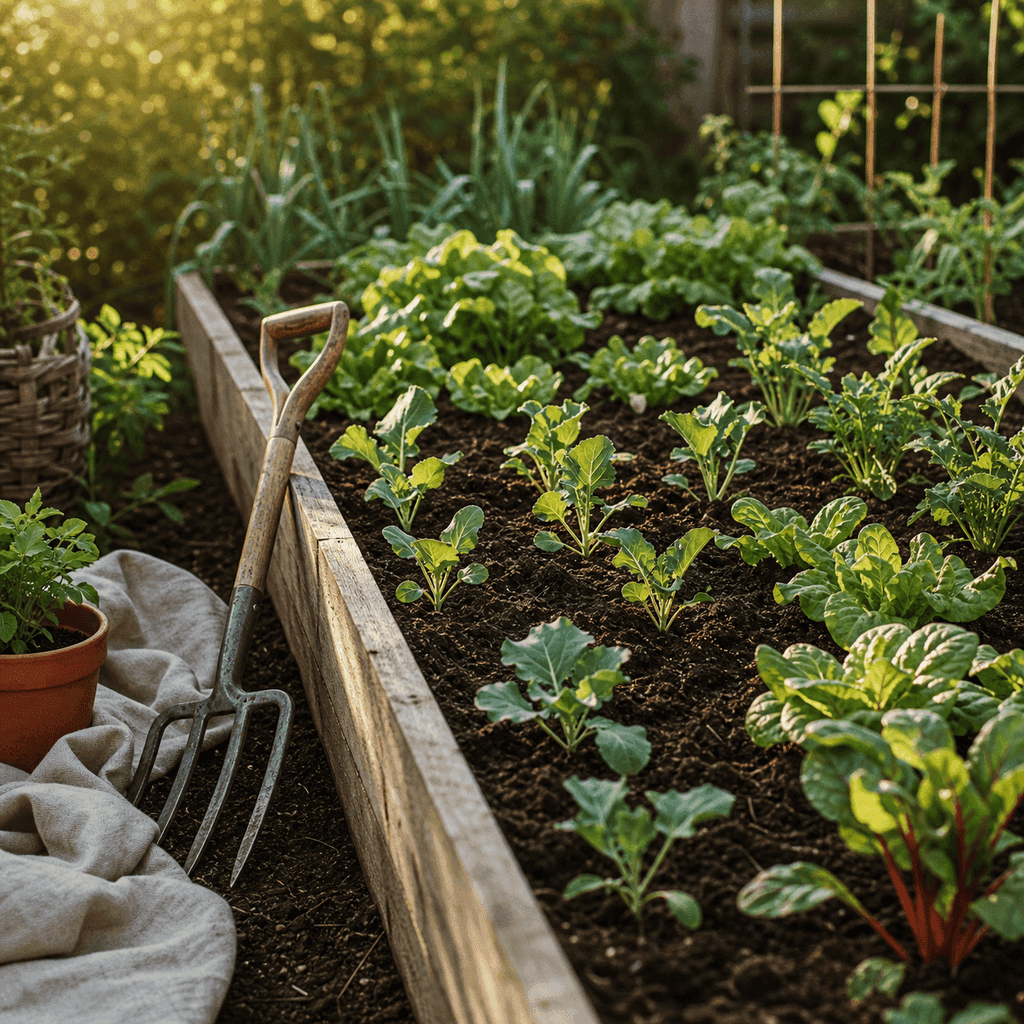
Spring is simultaneously the most exciting and most maddening time in the garden. What can go in the ground right now? What needs to wait another month? What should have been started indoors three weeks ago? I've stared at seed packets in February like they were written in another language.
This spring garden planting guide walks you through the whole timeline so you don't miss a single window. The good news is that almost every decision traces back to one number, and once you know it, the rest falls into place. Here's how to figure out what to plant and when.
The Frost Date Is Your Anchor
Everything comes back to this one number. Your last average frost date is the point in spring after which killing frosts become unlikely where you live. In the US it ranges enormously, from late January in Southern California to late May in Minnesota.
Look yours up by zip code through your local extension office or an online frost-date tool. Write it on the calendar. Nearly every planting instruction, on the seed packet and in this guide, is phrased as "weeks before" or "weeks after" that date. Get it right and the rest of the season stops being guesswork.
Your last frost date isn't a suggestion, it's the hinge every other planting decision swings on.
Cool-Season Crops Go in First
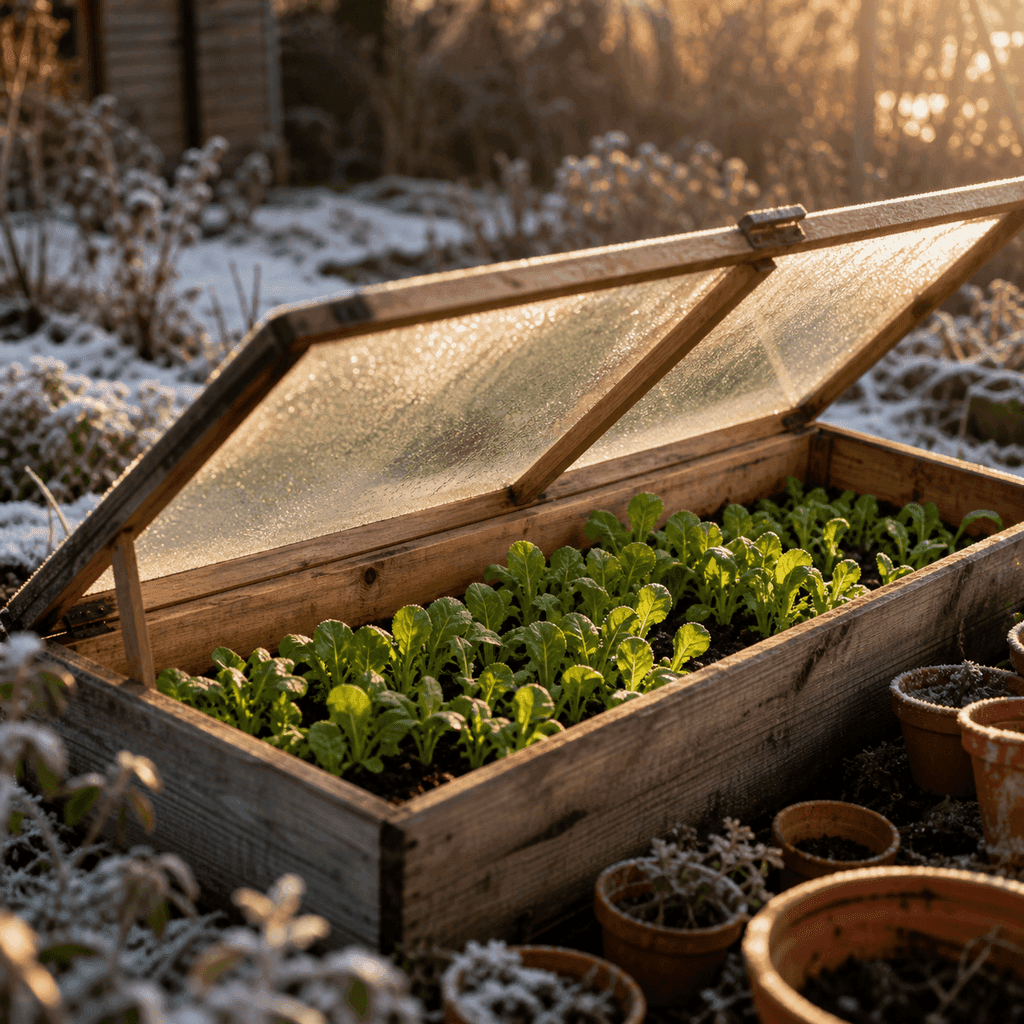
Cool-season vegetables actually prefer chilly soil and can shrug off light frost. Many can go in the ground four to six weeks before your last frost date, sometimes as soon as the soil is workable.
- Direct-sow outdoors early: peas, spinach, lettuce, radishes, carrots, arugula, and kale.
- Transplant early: broccoli, cabbage, and onions, which you can start indoors or buy as starts.
These crops bolt and turn bitter once summer heat arrives, so the goal is to get them growing while it's still cool. Missing this window is the most common spring mistake, so don't wait for warm weather to start.
Warm-Season Crops Wait for Warmth
Tomatoes, peppers, eggplant, squash, cucumbers, and basil are frost-tender. A single late freeze can wipe them out. These wait until after your last frost date, and often a week or two beyond it, once both the air and the soil have genuinely warmed.
Many of these are worth starting indoors ahead of time so they're ready to transplant the moment it's safe. Which brings us to timing.
Counting Backward for Seed Starting
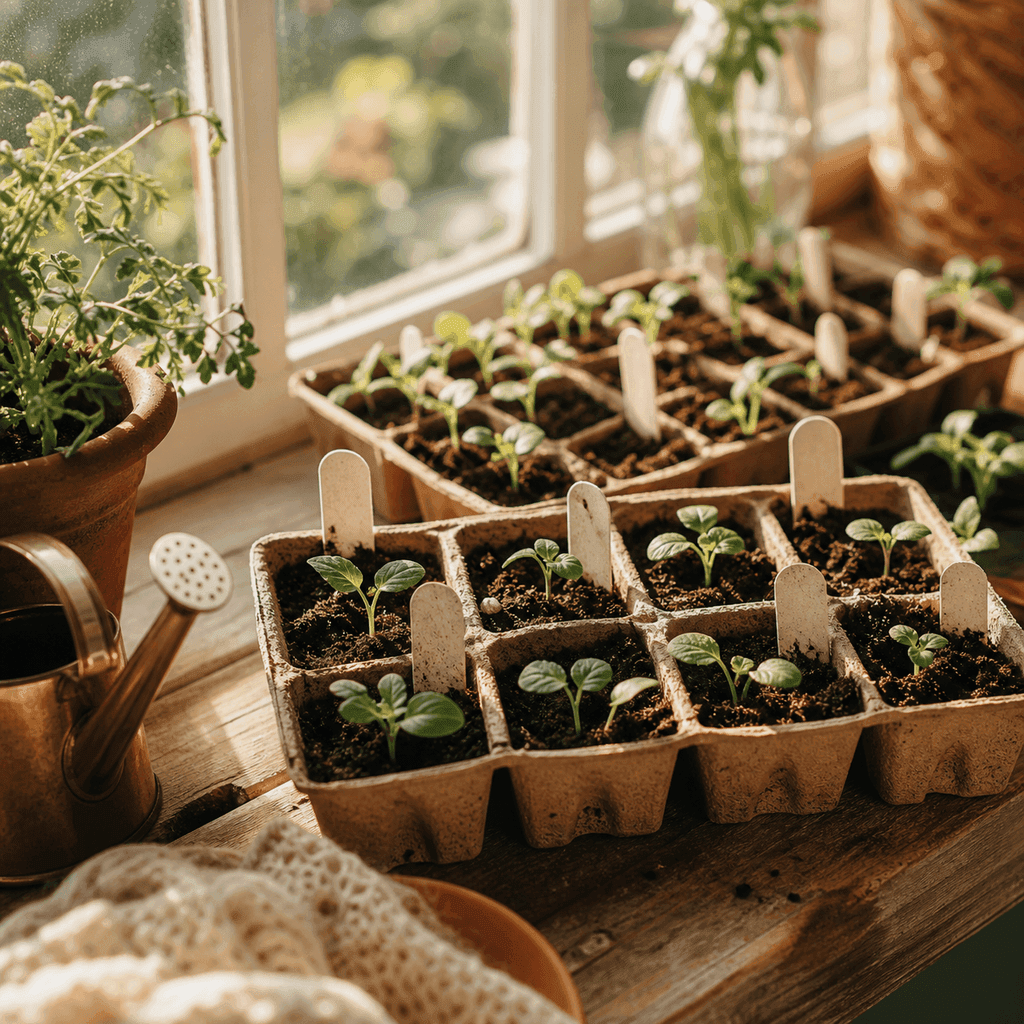
Starting seeds indoors is all arithmetic. The seed packet tells you how many weeks before the last frost to sow, so you count backward from your frost date:
- Tomatoes: start indoors about 6 to 8 weeks before last frost.
- Peppers and eggplant: start about 8 to 10 weeks before, since they're slow.
- Squash and cucumbers: only 2 to 4 weeks before, because they grow fast and dislike being transplanted.
Mark the start dates on your calendar alongside the frost date, and the whole indoor schedule lays itself out.
A Rough Spring Timeline
- 6 weeks before frost: direct-sow peas, spinach, lettuce, radishes. Start warm-season seeds indoors per the packet.
- On the frost date: transplant hardened-off cool-season starts if you haven't already.
- 1 to 2 weeks after frost: transplant tomatoes, peppers, and squash once soil is warm.
Keep a floating row cover handy for surprise late cold snaps, since "average" frost dates are averages, not guarantees. Anchor to your frost date, plant cool crops early and warm crops late, and this often-maddening season turns into a smooth, productive one.
Sarah Mitchell
Founder & Editor
Writer, home cook, and slightly obsessive gardener sharing small, doable ways to live a little lighter. Sarah started Earth Friendly Blogs at her own kitchen table. More from Sarah →