Natural Garden Pest Control: What Works Without Chemicals
Natural garden pest control that actually works, from healthy soil to beneficial insects and barriers, with no chemical pesticides required.
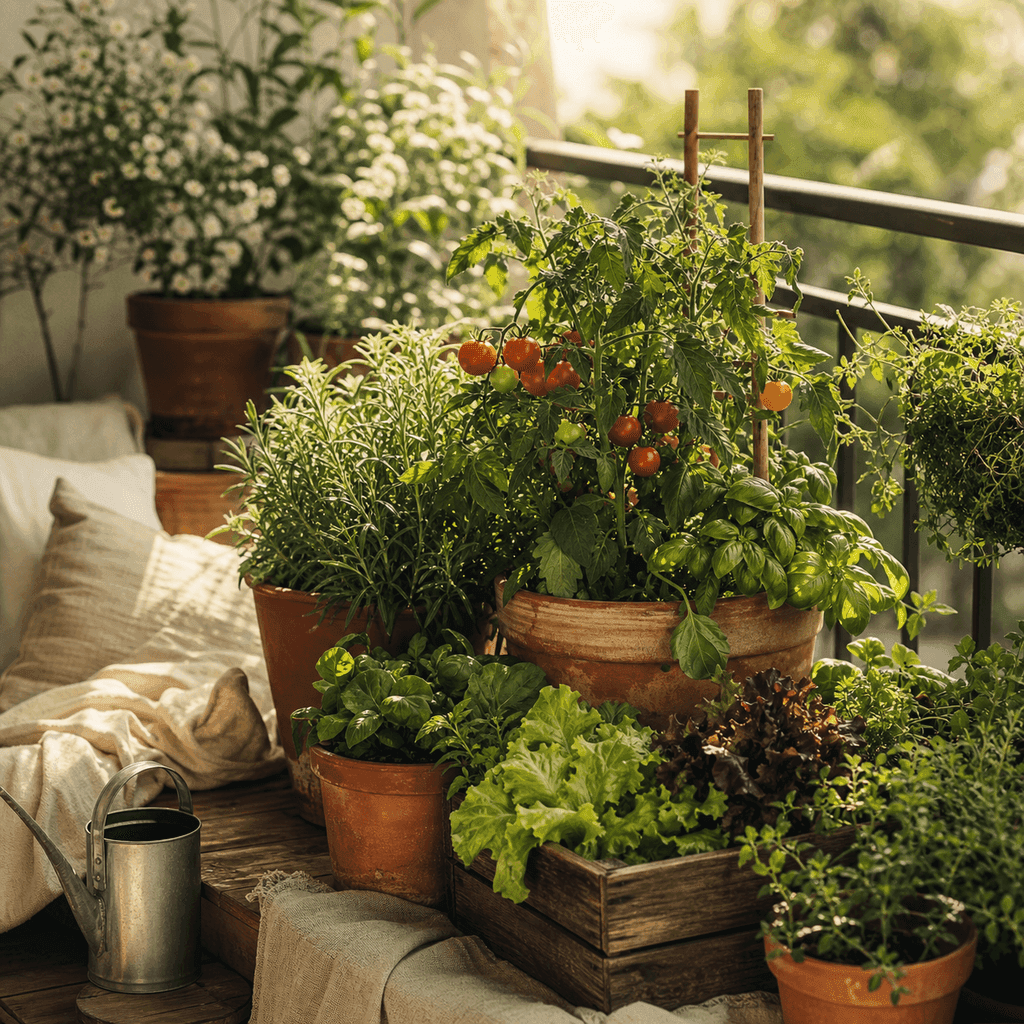
Chemical pesticides wipe out the pests you're aiming at, sure, but they also wipe out the ladybugs, the lacewings, and every other beneficial insect your garden quietly depends on. I quit using them four years ago, and honestly? My pest problems got better, not worse. Effective natural garden pest control isn't about finding a greener spray, it's about building a garden that mostly defends itself.
It takes a small shift in thinking. Instead of reacting to every bug you see, you set up conditions where pests never get the upper hand in the first place.
Start With Healthy Soil
This is the part nobody wants to hear, because it isn't a quick fix, but it's the truth: a plant growing in rich, living soil is simply harder for pests to take down. Stressed plants send out chemical signals that pests home in on. Vigorous plants shrug off the same pressure.
I started adding compost to my beds every spring and fall, and the difference in plant vigor was obvious within a single season. Strong roots, thicker stems, better resistance across the board.
- Top up beds with compost twice a year.
- Skip heavy synthetic nitrogen, which pushes soft, sappy growth that aphids love.
- Water deeply and consistently so plants never get drought-stressed.
Feed the soil, not the plant. Everything above ground gets easier once the ground below is alive.
Invite the Good Bugs
Your garden already has a pest control crew waiting to move in, you just have to make it welcoming. Ladybugs, lacewings, hoverflies, and parasitic wasps eat aphids, mites, and caterpillars by the hundreds.
The way to attract them is to plant the flowers they feed on. Tuck small-flowered plants like alyssum, dill, fennel, yarrow, and cosmos among your vegetables. Once these beneficial insects settle in and start breeding, they patrol your beds around the clock for free.
Easy Insectary Plants
- Sweet alyssum, a low carpet of tiny flowers that hoverflies adore.
- Dill and fennel, magnets for ladybugs and lacewings.
- Yarrow and cosmos, long-blooming landing pads for pollinators too.
Barriers, Traps, and Handpicking
Sometimes the simplest tools beat everything else. Floating row cover, a lightweight fabric draped over your crops, physically blocks moths and beetles from ever reaching the plant. It's the difference between a pristine cabbage and a lacework of caterpillar holes.
For bigger, slower pests, nothing beats your own two hands. A morning walk with a jar of soapy water, knocking hornworms and squash bugs into it, is oddly satisfying and remarkably effective. Copper tape around pots stops slugs cold, and a shallow dish of beer sunk into the soil traps them overnight.
When You Need a Little More
Occasionally an outbreak gets ahead of you, and that's fine. There are gentle, targeted options that won't level your whole ecosystem. Insecticidal soap works on soft-bodied pests like aphids by direct contact. Neem oil disrupts feeding and breeding when used sparingly. Bt, a naturally occurring bacterium, targets caterpillars specifically and leaves everything else alone.
Use these as spot treatments, not routine sprays, and always apply them in the evening when pollinators have gone home for the day.
The real secret is that none of these steps stands alone. Healthy soil, welcoming flowers, smart barriers, and the occasional targeted nudge add up to a garden that mostly runs itself. Give it a season or two, and you'll notice the balance tip in your favor, quietly, without a single warning label in your shed.
Sarah Mitchell
Founder & Editor
Writer, home cook, and slightly obsessive gardener sharing small, doable ways to live a little lighter. Sarah started Earth Friendly Blogs at her own kitchen table. More from Sarah →