How to Make a Balcony Garden: Eco-Friendly Urban Growing Guide
Learn how to make a balcony garden with this eco-friendly urban growing guide: assess light, pick containers, and grow food in small spaces.
I turned a 40-square-foot apartment balcony into a real little growing space that gives me herbs, salad greens, and some vegetables from spring clear through fall. Setup took one afternoon, and most days I'm out there maybe five minutes with a watering can. If you've been wondering how to make a balcony garden that actually produces, the secret isn't space or a green thumb, it's reading your conditions first and starting small.
Assess Your Space and Light
Seriously, do this before you spend a single dollar. Spend one full day watching your balcony, morning, midday, and late afternoon, and notice exactly where and how long the sun actually hits. Light is the one thing you can't buy or fake, so it decides everything else.
- South-facing: the jackpot. Six-plus hours of sun means you can grow almost anything, including tomatoes, peppers, and sun-loving herbs.
- East or west-facing: partial sun, ideal for leafy greens, many herbs, and cool-season crops that don't want to bake.
- North-facing or shaded: low light, but far from useless. Lean into shade-tolerant greens like lettuce, spinach, and mint.
While you're at it, note the wind and the weight limits. High balconies can get gusty, which dries plants out fast, and heavy soil-filled pots add up, so check that your balcony can handle the load.
Choosing Containers That Work
Once you know your light, the containers are the next decision, and lighter is usually smarter up high.
- Pick pots with drainage holes, no exceptions, since roots sitting in water rot quickly.
- Favor fabric grow bags or lightweight resin planters over heavy ceramic, both for the weight limit and for moving them to chase the sun.
- Go as large as your space allows, because bigger pots hold moisture longer and forgive a missed watering.
- Reuse and repurpose where you can: a bucket with holes drilled in the bottom or a wooden crate lined for soil works just fine and keeps material out of the landfill.
Skip dense garden soil in containers. Use a quality potting mix, ideally cut with your own compost, so roots get the air and drainage they need.
The best balcony container is often the one you already own with a few drainage holes drilled in. Grow food, not a matching pot collection.
What to Grow First
Resist the urge to plant everything at once. Start with the crops that give the most reward for the least fuss, then expand as you learn your space.
The Reliable Starters
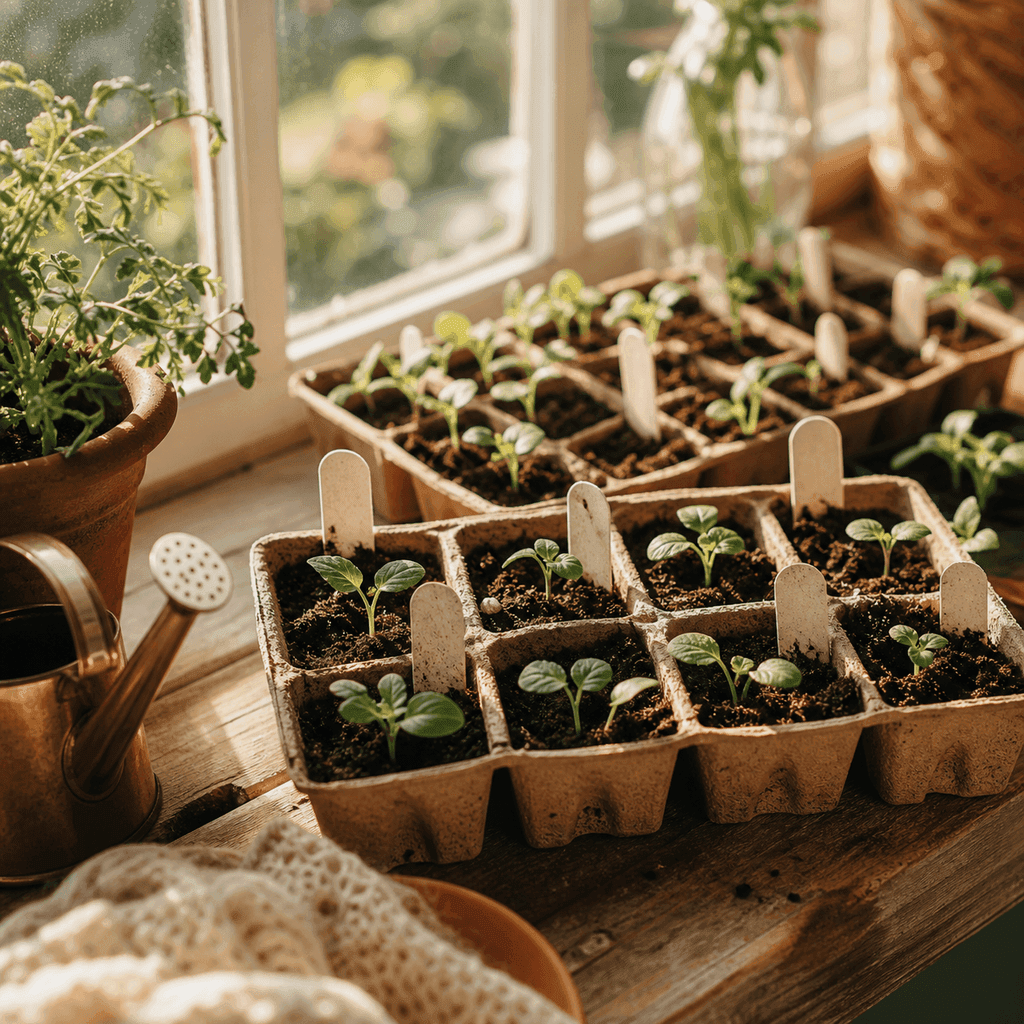
- Herbs: basil, mint, parsley, chives, and thyme thrive in small pots and get snipped as you cook.
- Salad greens: lettuce, arugula, and spinach grow fast in shallow containers and regrow after cut-and-come-again harvesting.
- Compact vegetables: cherry tomatoes, chili peppers, and bush beans do beautifully in a five-gallon pot with enough sun.
Go vertical to squeeze in more. A trellis, a railing planter, or a hanging basket uses the airspace a small balcony has plenty of, effectively doubling your growing room.
Keeping It Green and Low-Effort
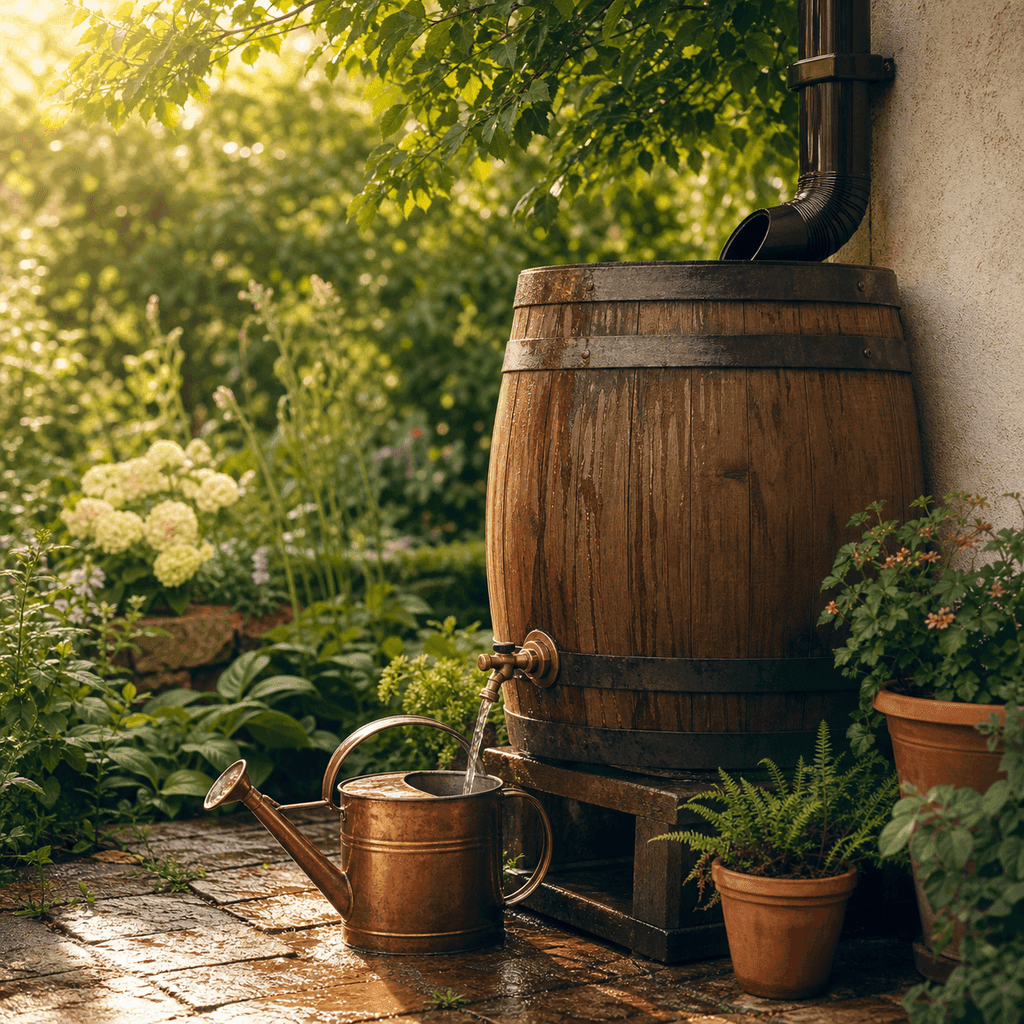
A balcony garden can be genuinely sustainable with a couple of habits. Container plants dry out faster than garden beds, so consistent watering matters, early morning is best, and a self-watering planter or a saucer beneath each pot helps on hot days. A little mulch on the soil surface slows evaporation too.
Grow With the Space
The best part of balcony gardening is how forgiving it is. Start with a few pots of herbs and greens this season, notice what your particular sun and wind favor, and add a container or two as your confidence grows. Within a summer you'll have fresh food steps from your kitchen, a greener little corner of the city, and proof that you never needed a backyard to grow your own.
David Brooks
Organic Gardening Writer
David grows food on a suburban plot and loves a good repair. He writes about organic gardening, pollinators, and doing more with less out in the yard. More from David →