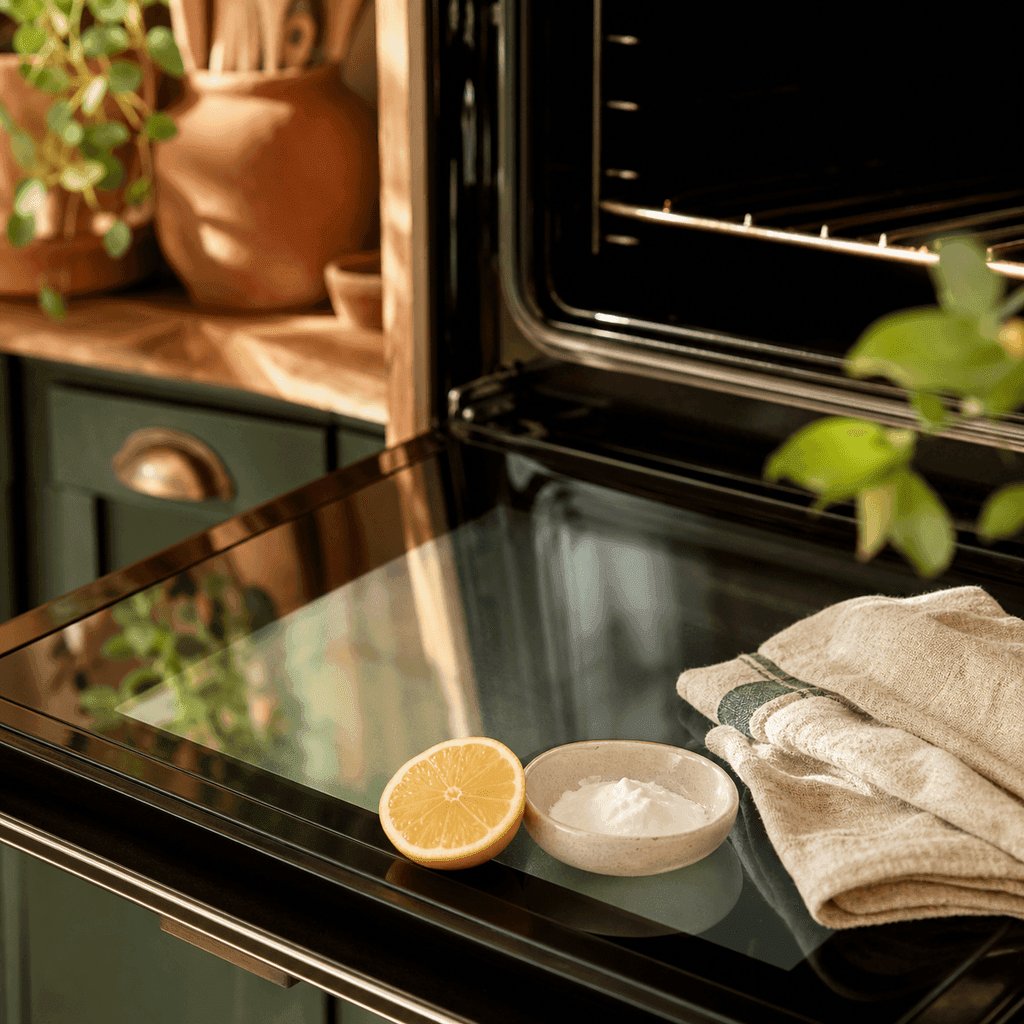
Natural Cleaning Products That Actually Work Better Than Chemical Ones
See which natural cleaning products actually outperform chemical cleaners, from white vinegar to baking soda, and how to use each one the right way.
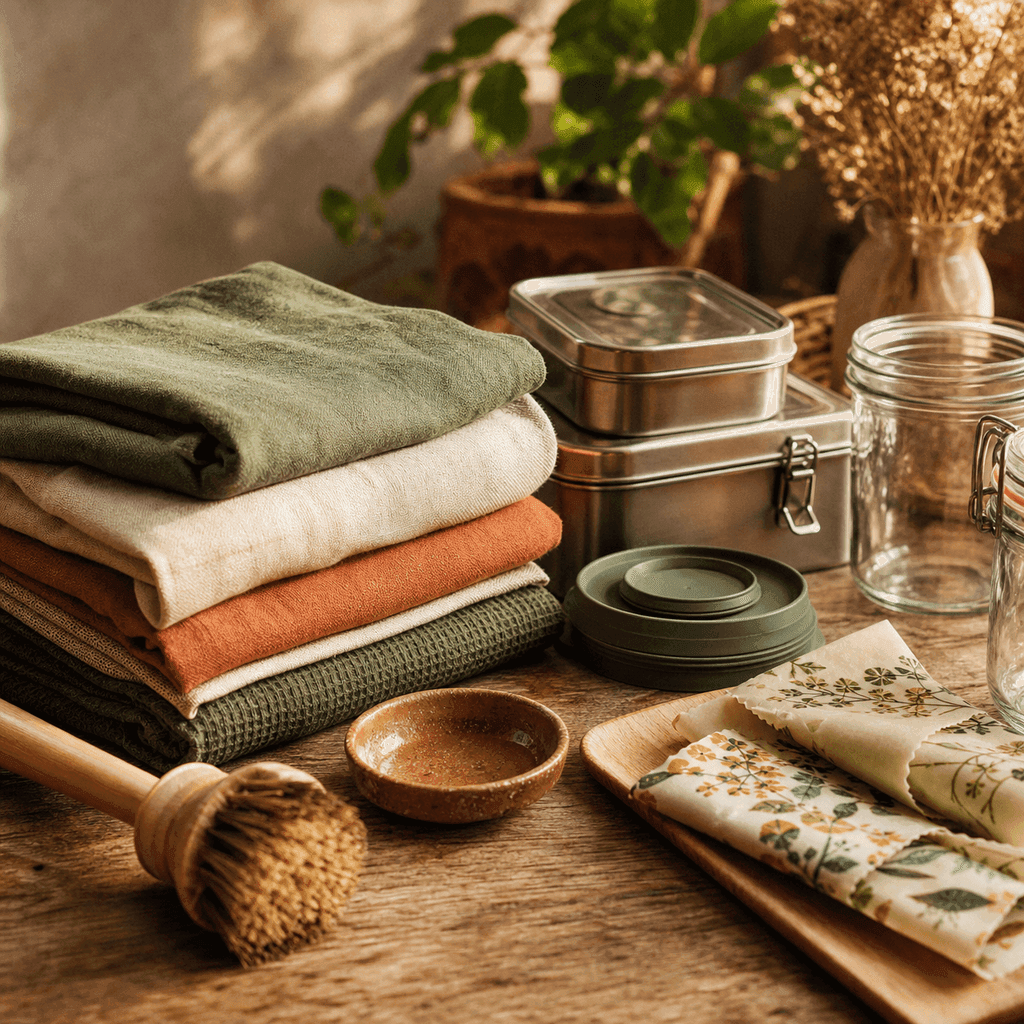
I've cleaned my whole house with natural products for three years now, and honestly? My home is just as clean as it ever was with the conventional stuff, cleaner in some spots, and I'm spending far less every month. The best part is that these natural cleaning products aren't a compromise. For a lot of jobs they genuinely work better than the chemical versions, once you know how to use them.
Let me hand you the short list that replaced a cabinet full of bottles.
White Vinegar: The All-Purpose Workhorse
This is the one I reach for constantly. Because it's acidic, white vinegar cuts right through mineral buildup, soap scum, and a surprising number of bacteria. I keep a 50/50 mix of vinegar and water in a spray bottle for daily surfaces.
It's especially good at jobs that stump conventional sprays:
- Dissolving hard-water spots on faucets and glass
- Descaling a coffee maker or kettle
- Cutting grease on stovetops and range hoods
- Softening laundry and clearing detergent residue
One rule keeps you out of trouble. Skip vinegar on natural stone like granite and marble, since the acid can etch the surface. For everything else, it's tough to beat.
Baking Soda: Gentle Scrub and Odor Eater
Where vinegar handles the chemistry, baking soda handles the physics. It's a mild abrasive that scours without scratching, and it neutralizes odors instead of masking them.
Sprinkle it into a sink or tub, add a little water to make a paste, and scrub with a brush. It lifts baked-on grime from oven racks and pans, deodorizes the fridge, and freshens carpets when you sprinkle it on, wait fifteen minutes, and vacuum it up.
The classic vinegar-and-baking-soda volcano looks impressive but mostly just fizzes into salt water. Use them separately for cleaning power, and save the combo for the occasional drain refresh.
Castile Soap: The Real Cleaner
For anything that needs actual soap rather than acid or abrasion, plant-based castile soap is my pick. It's a concentrated vegetable-oil soap that dilutes into dozens of uses.
A few drops in a bowl of warm water make a gentle dish or hand wash. A tablespoon in a spray bottle of water cleans floors and counters. Just don't mix castile soap with vinegar in the same bottle, because the acid curdles the soap into a useless mess. Use them as separate tools.
Lemon: Brightener and Natural Bleach
Lemon juice is mildly acidic like vinegar but adds a fresh scent and a light bleaching effect from the sun. Rub a cut lemon on cutting boards to deodorize them, or use it to shine copper and brass.
A few lemon tricks I love
- Half a lemon dipped in salt scrubs stubborn pans
- Lemon juice on a white cloth lifts fabric stains in sunlight
- A lemon half run through the garbage disposal freshens the whole sink
Why It Adds Up
The savings surprised me most. A gallon of white vinegar and a big box of baking soda cost less than a single bottle of name-brand cleaner and last far longer. Over a year, the difference is real money back in your pocket.
Then there's the air you breathe. Conventional cleaners release fumes and leave residues on the surfaces your family touches and your food sits on. Natural ingredients skip all of that, which matters most in the kitchen and bathroom where you clean the most.
Start with the vinegar spray this week and see how it handles your usual jobs. My guess is you'll be quietly impressed, and a few more bottles will end up in the recycling bin for good.
Olivia Reed
Sustainable Kitchen Writer
Olivia writes about low-waste cooking, plastic-free storage, and getting the most out of every ingredient. She tests every swap in her own small-city kitchen. More from Olivia →