How to Reduce Plastic Use at Home: 20 Practical Tips
Reduce plastic use at home with twenty practical swaps that take minutes to set up and quietly cut your household waste for good.

Cutting plastic doesn't mean overhauling your entire life. Most of the swaps I've made over the past three years took maybe five minutes to set up, and after a few weeks I stopped thinking about them altogether.
We've cut our household plastic waste by around sixty percent, and honestly it never felt like a sacrifice. Just a slow, steady series of small switches. Here are twenty that actually stick, grouped by room so you can start wherever it's easiest.
In the Kitchen
This is where I started, and it made the biggest dent.
- Replace cling wrap with beeswax wraps and silicone lids.
- Swap zip-top bags for reusable silicone bags.
- Store leftovers in glass containers, not plastic tubs.
- Buy dish soap and hand soap as bars or in refillable bottles.
- Use a bamboo or metal dish brush instead of plastic sponges.
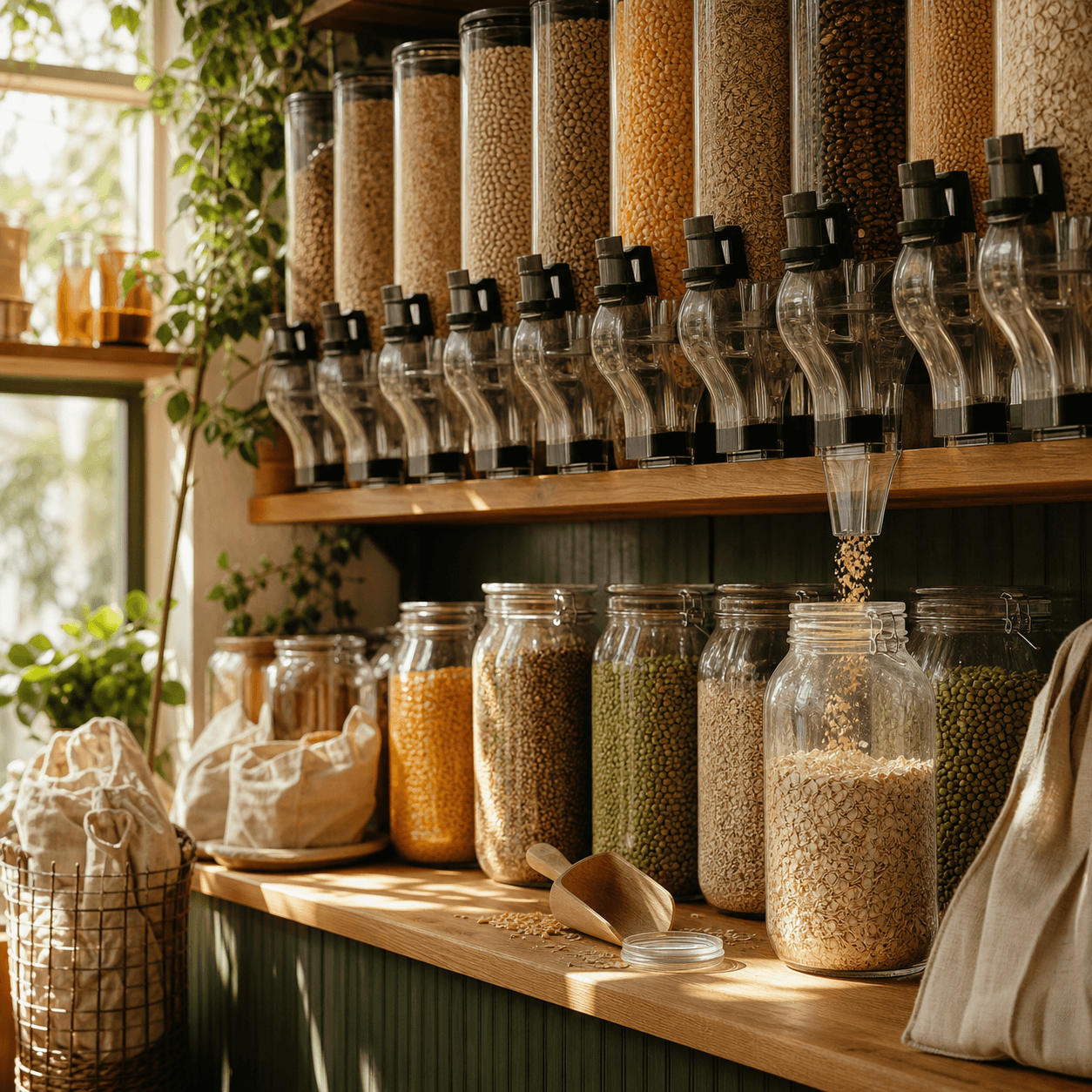
- Keep a set of reusable produce and bulk bags by the door.
The kitchen is the fastest place to see results, because so much single-use plastic hides in packaging and disposables you replace every week.
In the Bathroom
The bathroom is quietly full of plastic, and the swaps here feel like small upgrades rather than compromises.
- Switch to a bar of shampoo and conditioner.
- Choose a bamboo toothbrush over a plastic one.
- Try toothpaste tablets or a tin instead of a plastic tube.
- Buy bar soap wrapped in paper, not bottled body wash.
- Use a safety razor with replaceable blades instead of disposables.
- Swap cotton rounds for washable cloth ones.
In the Laundry and Cleaning Routine
- Use laundry detergent sheets or a refillable bulk option.
- Skip dryer sheets in favor of wool dryer balls.
- Make an all-purpose spray with vinegar and water in a glass bottle.
- Buy cleaning concentrates you dilute at home to cut bottle waste.
Out and About
The last stretch of plastic often lives in the habits you carry outside the house.
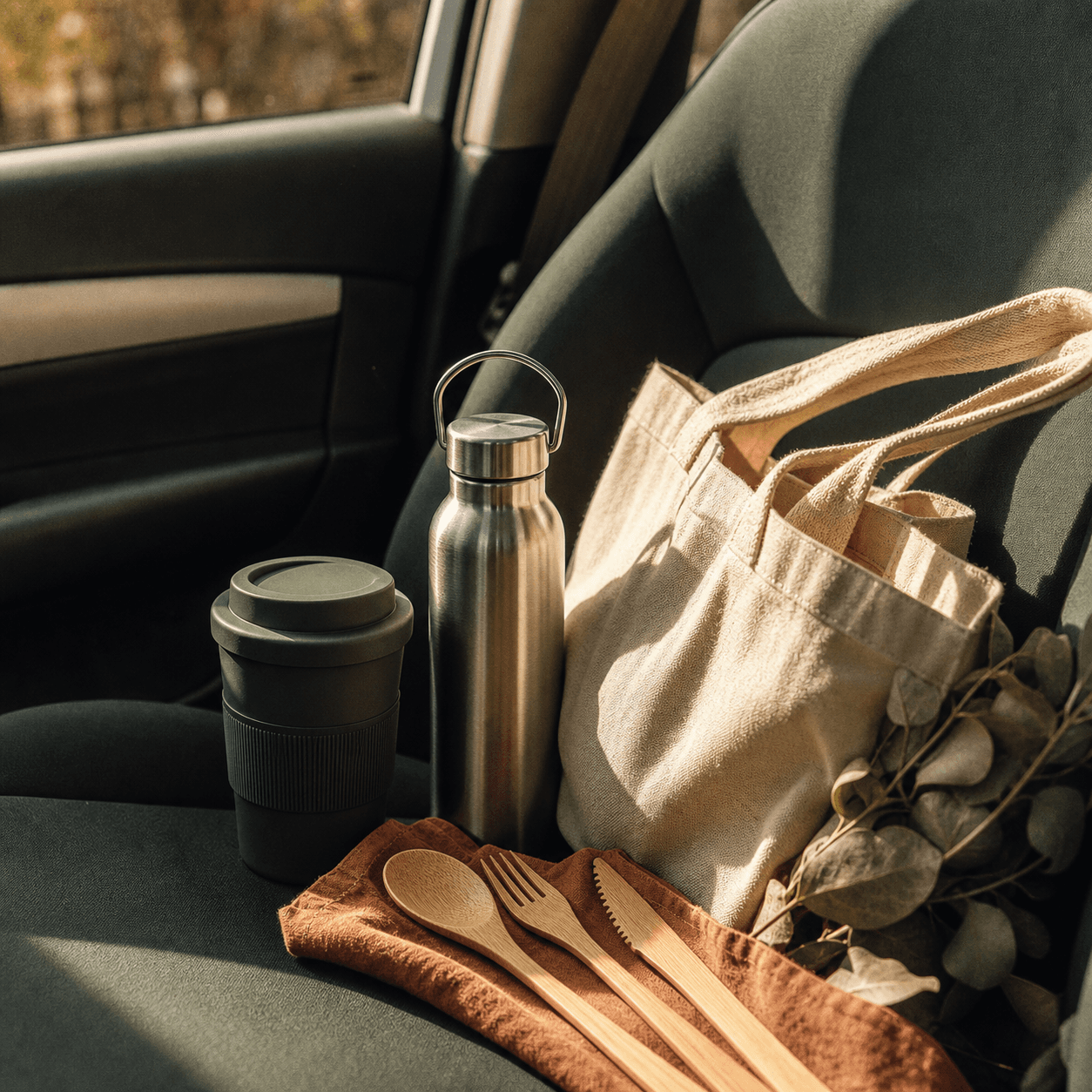
- Keep a reusable water bottle and coffee cup in your bag.
- Stash a foldable tote or two in your car and backpack.
- Carry a small set of reusable utensils for takeout.
- Say no to the straw, or bring your own metal or silicone one.
Making the Swaps Stick
The trick isn't willpower, it's setup. Once the reusable bags live by the door and the beeswax wraps are in the drawer where the plastic wrap used to be, the new habit runs itself. You reach for what's in front of you.
Start with two or three swaps from the kitchen list this week, the ones that fit your routine most naturally. Give them a month to become invisible, then add a few more. That's genuinely how sixty percent less plastic sneaks up on you, one small, painless switch at a time.
Sarah Mitchell
Founder & Editor
Writer, home cook, and slightly obsessive gardener sharing small, doable ways to live a little lighter. Sarah started Earth Friendly Blogs at her own kitchen table. More from Sarah →