Earth Day 2026: Practical Actions That Actually Make a Difference
Skip the one-day green gestures. These Earth Day 2026 actions become lasting habits that keep helping the planet all year long.
Every April 22nd my inbox fills up with one-day green challenges that everyone forgets about by the 23rd. And honestly, I get it. Life moves fast, and a single day of good intentions feels like enough. But I've never cared much for token gestures. The Earth Day actions worth your time are the ones that quietly keep working long after the day is over.
So this year, instead of chasing a dozen feel-good moments, let's focus on the handful of changes that actually stick. Here are the practical Earth Day 2026 actions I think genuinely move the needle.
Commit to One Lasting Habit
Here's the thing nobody wants to hear: one real habit beats twenty feel-good gestures every single time. A single day of unplugging chargers or skipping meat does almost nothing. A year of it adds up to something real.
So instead of a vague promise to "be greener," pick something specific and measurable. The specificity is what makes it stick.
- Compost your food scraps, either in a backyard bin or a countertop pail for a city pickup program.
- Bring your own bags and water bottle every single time, no exceptions until it's automatic.
- Switch one regular purchase, like paper towels or dish soap, to a reusable or refillable version.
Choose one. Just one. You can always add another in a few months once the first runs on autopilot.
A habit you keep for a year quietly outperforms a hundred gestures you abandon by dinnertime.
Fix the Waste You Can Actually See
The easiest place to start is the trash you already notice. Take a quick look in your kitchen bin tonight and you'll spot the patterns fast: single-use coffee pods, plastic produce bags, food that went bad before you ate it.
Food waste is the big one. Roughly a third of the food produced in the U.S. never gets eaten, and when it rots in a landfill it releases methane. Planning meals around what you already have, storing produce properly, and actually eating your leftovers cuts both your grocery bill and your footprint.
A Ten-Minute Kitchen Audit
- Check expiration dates and move soon-to-expire items to the front.
- Pick one disposable product to replace this month.
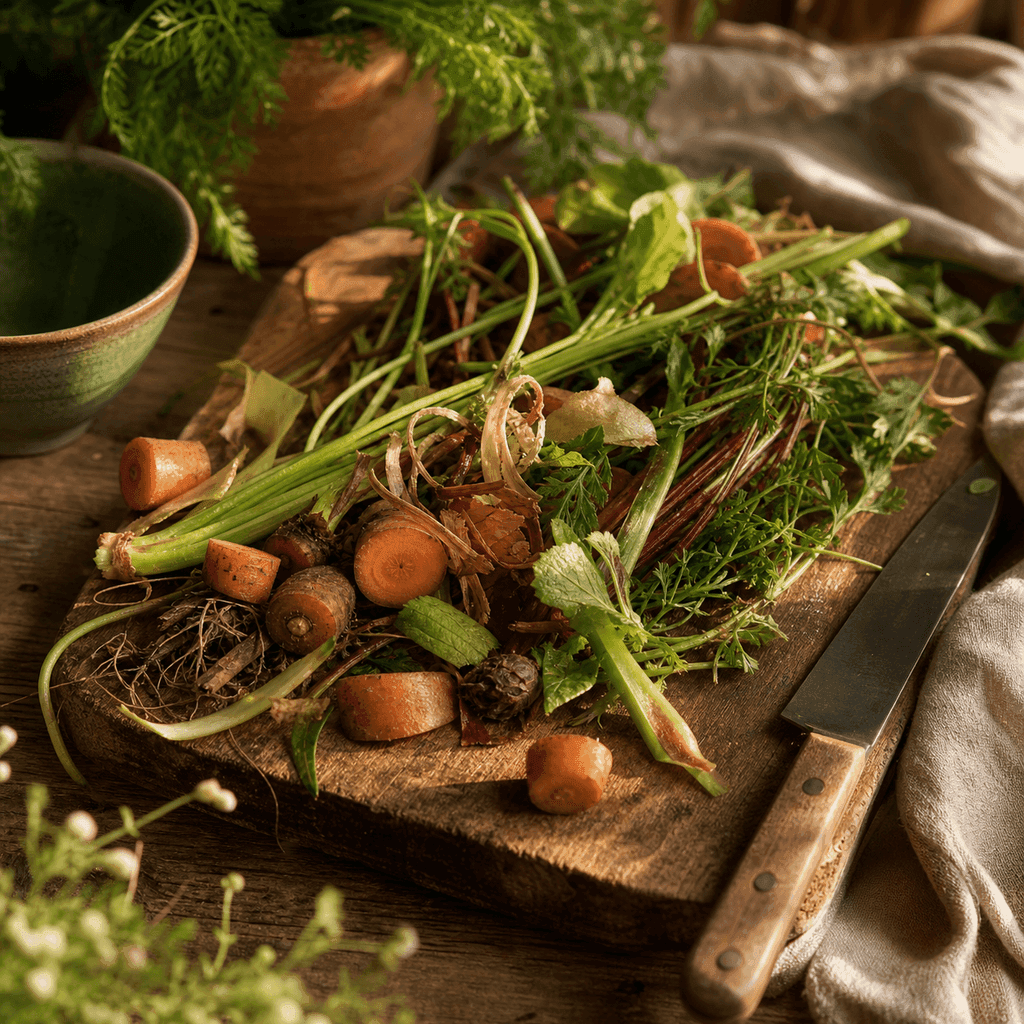
- Start a scraps container in the freezer for homemade broth.
None of this is glamorous, but it's the stuff that compounds.
Push Beyond Your Own Four Walls
Individual habits matter, but they're not the whole story. The bigger wins come from decisions made by companies and local governments, and those respond to pressure.
Earth Day is a natural moment to widen your circle. Show up to a community cleanup, and you'll meet the neighbors who care about the same things you do. Email your city council about curbside composting or safer bike lanes. Support a local business that's doing the work instead of just marketing it.
Plant Something That Lasts
If you want a single action that keeps giving back, put a plant in the ground. A native shrub, a pollinator patch, or even a few herbs on the porch does more than a symbolic tree-planting photo op.
Native plants support local bees and birds, need less water once established, and require almost no fussing. Spring is the ideal planting window, so Earth Day timing works in your favor. Pick species suited to your region, get them in the soil, and you'll be watching them fill in for years.
Let It Carry Through the Year
The whole point is momentum. One kept habit tends to pull others along with it: start composting and you notice packaging, notice packaging and you shop differently, shop differently and you waste less.
So this Earth Day, skip the frantic checklist. Choose the one change you can genuinely see yourself keeping next January, and build from there. That's how a single day turns into a year of real difference, and a year into a way of living.
Olivia Reed
Sustainable Kitchen Writer
Olivia writes about low-waste cooking, plastic-free storage, and getting the most out of every ingredient. She tests every swap in her own small-city kitchen. More from Olivia →