Laundry is something we all do constantly — and honestly, it’s one of those chores that seems harmless until you start adding it up. Hot water, synthetic detergents, the dryer running for an hour, microplastics going down the drain. It’s a lot. The good news? Most of it is pretty fixable with small tweaks you’ll barely notice.
Switch to Cold Water Washing
This one blew my mind when I first read the numbers. About 90% of the energy your washing machine uses goes to heating the water — not actually cleaning your clothes. So switching to cold water isn’t some tiny tweak, it’s basically eliminating most of that cycle’s energy use altogether. I made the switch about two years ago and my clothes look exactly the same. Modern cold-water detergents are genuinely formulated to work without heat, so you’re not sacrificing anything here.
Use Less Detergent
Most of us are using way too much — like two to three times the amount we actually need. More detergent doesn’t mean cleaner clothes. It means detergent residue stuck in your fabrics and gunked up in your machine. Try cutting your usual amount in half this week. Your clothes will come out just as clean, I promise. My husband thought I was being cheap when I suggested this, and then he couldn’t tell the difference at all.
Natural Detergent Options
If you want to go a step further, powder detergents are a solid place to start — they usually come in cardboard boxes instead of plastic bottles, which is an easy packaging win. Soap nuts are the real zero-waste option if you’re curious about them; they’re a little weird at first but they actually work. And if you prefer liquid, look for eco-certified concentrated formulas in glass bottles. I found one for around $14 that lasts me almost three months.
Air Dry More
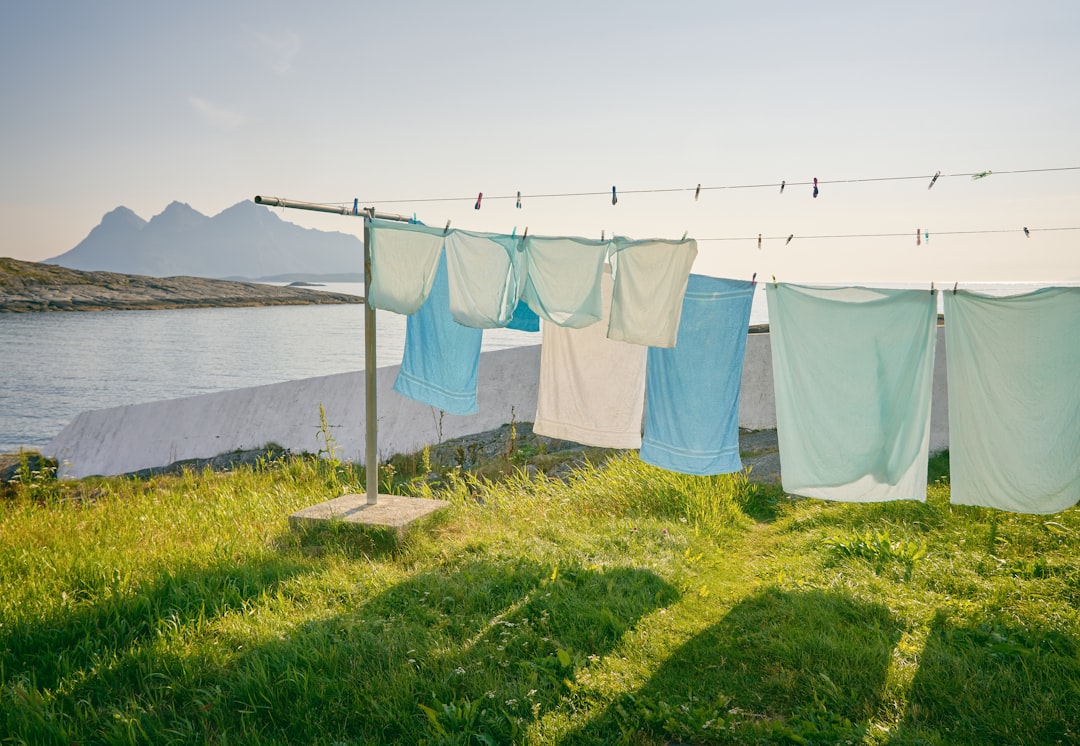
Dryers are energy hogs. Full stop. I got a foldable drying rack from Target for about $25 and started using it for anything that doesn’t absolutely need the dryer. Your clothes last longer too — all that lint in the dryer trap? That’s your fabric breaking down. Air drying eliminates that wear completely, which means your clothes stay in better shape and out of the landfill longer.
Address Microplastic Shedding
This one surprised me when I learned about it. Every time you wash synthetic fabrics — polyester, nylon, fleece — they shed tiny plastic fibers that flow right through your washing machine and into waterways. A Guppyfriend laundry bag (around $30) catches those fibers before they escape. It’s not a perfect fix, but it makes a real difference. And when you’re replacing clothes over time, leaning toward natural fibers like cotton, linen, or wool is worth keeping in mind.
Final Thoughts
Cold water. Less detergent. Air dry when you can. Those three shifts alone take a surprisingly big bite out of your laundry’s environmental footprint, and not one of them will make your clothes any less clean. Start with just one this week — I’d bet you won’t notice a difference in your laundry, but you might notice it on your energy bill.
Check out our other eco-friendly guides.