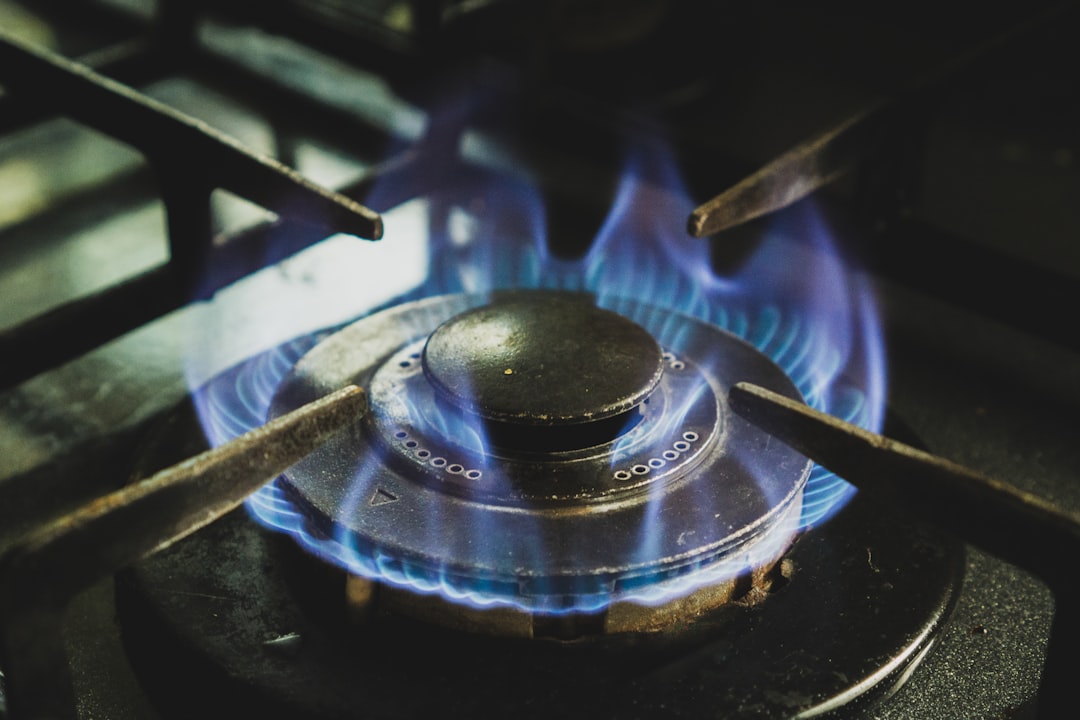
Your kitchen is probably one of the hungriest rooms in your house for energy, and honestly, most of the fixes don’t cost a thing. It’s just about cooking a little smarter.
Oven Efficiency
Here’s one I didn’t believe until I tested it myself — you genuinely don’t need to preheat for anything that’s going to be in the oven longer than 30 minutes. Roasted veggies, casseroles, bread loaves? Just put them in and let the oven climb with the food inside. Also, if you’re firing up the oven anyway, batch bake. Cookies and a tray of roasted chickpeas at the same time. Whatever makes sense. And that trick of turning the oven off 5–10 minutes early? My husband thought I was just being forgetful until he realized the food was finishing perfectly. Glass and ceramic pans hold onto heat better than metal too, so you can actually drop your temp by about 25 degrees.
Stovetop Efficiency
Match your pan to your burner — a small saucepan on a big burner is just heating your kitchen, not your food. Always use a lid. Seriously, it cuts cooking time dramatically and keeps all that heat working for you instead of floating up to the ceiling. Cut the burner off a couple minutes early and let the pan do the rest. And if you’re ever in the market for a new cooktop, induction is genuinely worth the switch — it heats the pan directly, so almost no energy gets wasted on the air around it.
Small Appliance Efficiency
This one surprised me when I first looked at the numbers. A toaster oven uses 70–80% less energy than your full-size oven for small jobs — reheating a slice of pizza, toasting a bagel, baking two chicken thighs. A microwave is even more efficient for reheating leftovers. And if you’re not using an electric kettle yet, that’s the easiest swap — boiling water in a pot on the stove wastes so much more energy than a $25 kettle. Right tool, right task. It adds up fast.
The Pressure Cooker and Slow Cooker
I’ve been cooking dried beans in a pressure cooker for about three years now and I’ll never go back. What used to take 90 minutes on the stove takes maybe 25. For tough cuts of meat or grains, you’re looking at up to 70% less cooking time — which means 70% less energy. Slow cookers get a bad rap for being inefficient, but spread that low wattage over several hours and it still comes out way ahead of running your oven for the same meal. I use mine every Sunday for a big pot of something.
The Bamboo Steamer Advantage
A bamboo steamer is one of those things that feels almost too simple, but it’s genuinely one of the most energy-efficient ways to cook. You’re only heating enough water to keep a simmer going, there’s no oven to preheat, and most vegetables and dumplings are done in under 15 minutes. Stack two tiers and you’ve got a full meal cooking at once over a single burner. Broccoli takes about 5 minutes. Fish takes around 10. It’s fast, it’s gentle on the food, and your energy bill doesn’t take a hit.
Final Thoughts
None of this requires buying fancy gear or overhauling your whole kitchen. It’s really just paying a little more attention — using a lid, not preheating when you don’t need to, grabbing the toaster oven instead of the big one for a single serving. I started doing these things gradually, one habit at a time, and now they’re just how I cook. Across hundreds of meals a year, that consistency genuinely matters. Not just for your energy bill, but for the bigger picture too.
Check out our other eco-friendly guides.