How to Make Your Kitchen More Energy Efficient While Cooking
Cook smarter and cut kitchen energy use with simple habits, from skipping the preheat to batch baking and using residual heat.
Your kitchen is probably one of the hungriest rooms in your house for energy, and the happy surprise is that most of the fixes don't cost a thing. It's just about cooking a little smarter with the appliances you already own.
I didn't believe some of these until I tested them myself. But once you see how much heat gets wasted in a typical cooking session, an energy-efficient kitchen starts to feel less like a chore and more like common sense. Here's what actually moves the needle.
Get the Most From Your Oven
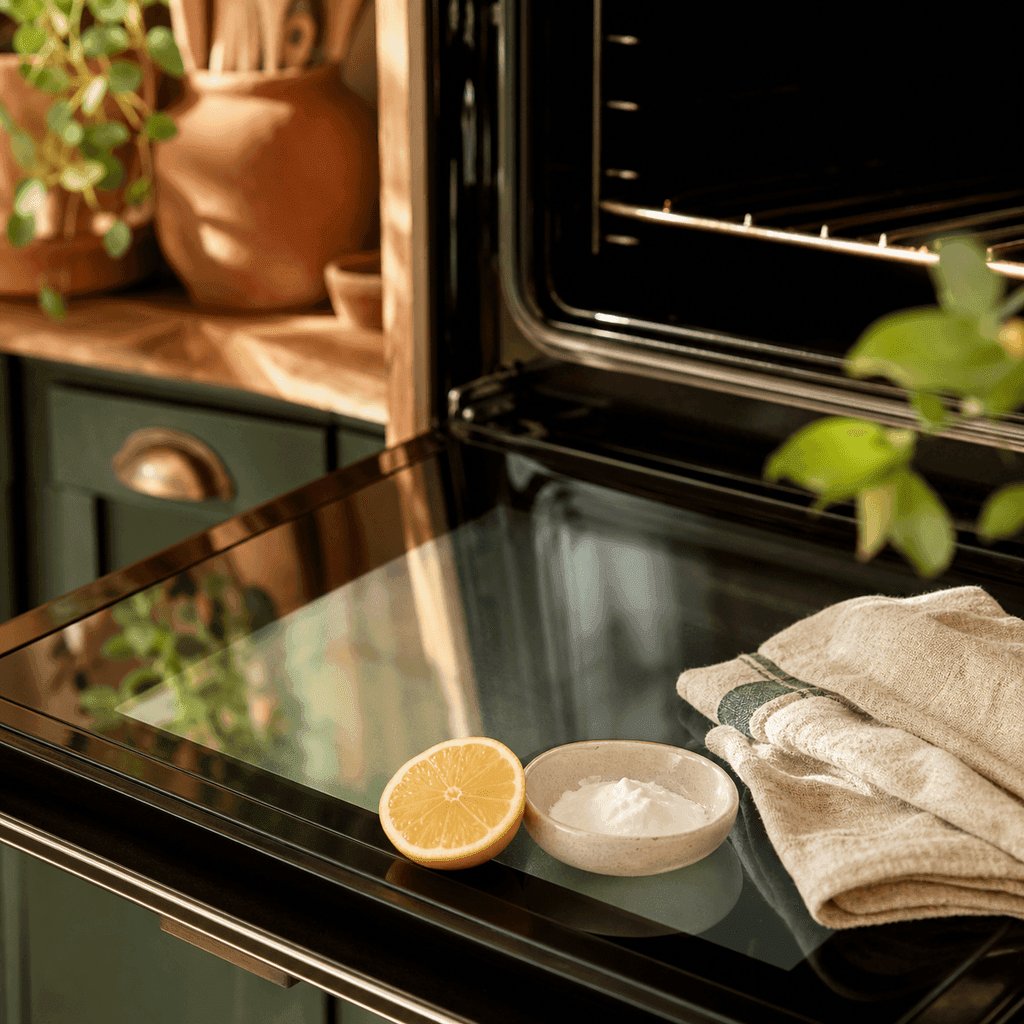
Here's one I didn't believe until I tried it: you genuinely don't need to preheat for anything staying in the oven longer than thirty minutes. Roasted vegetables, casseroles, bread loaves? Put them in and let the oven climb with the food inside.
A few more oven habits that add up:
- Batch bake. If you're firing up the oven anyway, cook several things at once, or roast a tray of vegetables for the week.
- Kill the heat early. Switch it off five to ten minutes before the timer and let residual warmth finish the job.
- Keep the door shut. Every peek drops the temperature by a chunk, forcing the element to work harder. Use the window and the light instead.
A closed oven door and a little residual heat do more for your energy bill than any fancy appliance ever will.
Cook Smarter on the Stovetop
The stovetop rewards a few easy habits. Match your pot to the burner, because a small pan on a big burner spills heat straight into the air. And keep a lid on whatever you're heating, since covered pots come to a boil far faster and hold their warmth with less energy.
When you're boiling water, only heat as much as you need. A stockpot filled for two cups of pasta water wastes both time and gas or electricity. An electric kettle is often the most efficient way to boil in the first place, so use it to preheat pasta or blanching water before it hits the stove.
Right-Size the Appliance
One of the biggest wins is simply choosing the smallest tool for the task. Firing up a full-size oven to reheat two slices of pizza is a lot of energy for a little food.
Match the Tool to the Meal
- Microwave for reheating and small portions, since it heats food directly and fast.
- Toaster oven or air fryer for small batches that would otherwise need the big oven.
- Slow cooker or pressure cooker for stews and beans, sipping power over hours or slashing cook time entirely.
Reaching for the compact appliance can use a fraction of the energy of the full oven for the same result.
Don't Forget the Fridge
Your refrigerator runs around the clock, so small tweaks pay off continuously. Keep it set around 37 degrees Fahrenheit and the freezer near zero, cold enough to be safe without overcooling. Check that the door seals still grip a slip of paper, and vacuum the coils once or twice a year so it isn't straining against a blanket of dust.
A full fridge actually holds its cold better than an empty one, so a few jugs of water in the gaps help on a bare week.
Small Habits, Real Savings
None of this asks you to cook differently, just a touch more deliberately. Skip the preheat, keep the lids on, reach for the smaller appliance, and let residual heat do the last few minutes of work.
Stack these little habits over a year of daily cooking and the savings are real, on your bill and your footprint both, without a single new gadget to buy.
Olivia Reed
Sustainable Kitchen Writer
Olivia writes about low-waste cooking, plastic-free storage, and getting the most out of every ingredient. She tests every swap in her own small-city kitchen. More from Olivia →