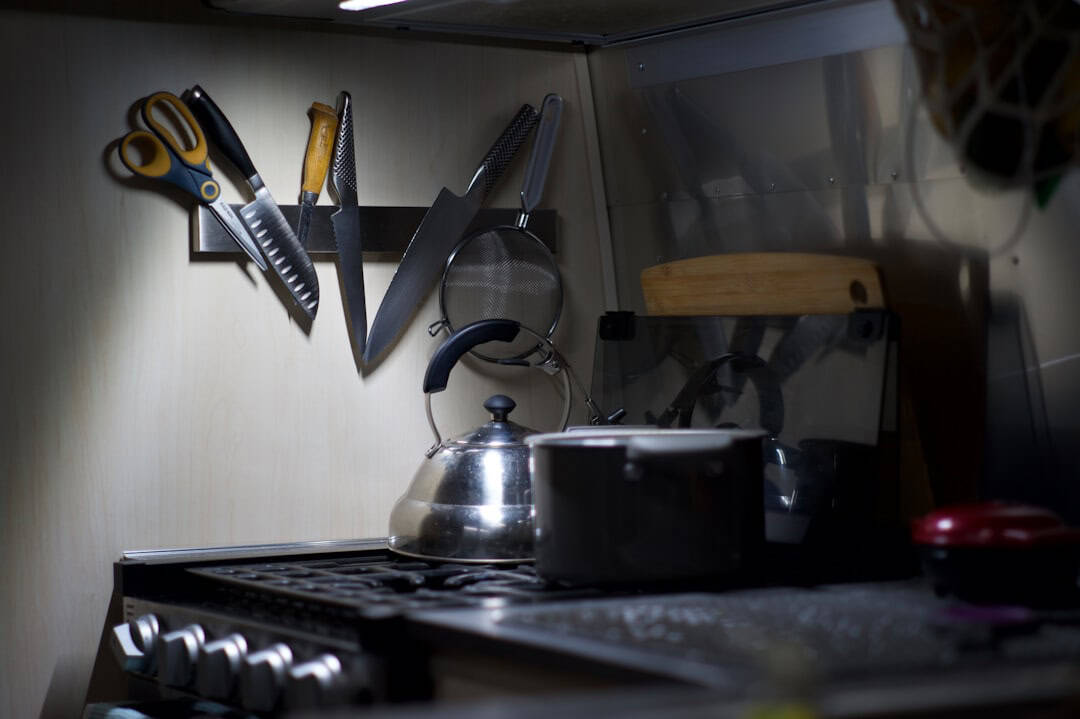
Few things are more annoying than scissors that won’t actually cut. They drag across wrapping paper, chew through fabric instead of slicing it, and somehow make a simple task feel like a whole ordeal. I’ve been there — standing at my kitchen table, getting increasingly irritated with a pair of shears I’d had for years. Turns out, they just needed five minutes of attention. Before you toss yours and order a new pair, stick with me here.
Why Sharpening Is Better Than Replacing
Tossing out a perfectly restorable pair of scissors is just wasteful — there’s really no other way to say it. A good pair can be sharpened dozens of times over the course of its life before it’s actually done. My husband was skeptical when I told him I was going to “fix” our kitchen shears instead of replacing them, but once he used them after? He got it. Sharpening takes almost no time, costs next to nothing, and keeps one more thing out of the landfill.
Method 1: Aluminum Foil
This is my go-to for a quick fix on a weeknight. Fold a sheet of regular aluminum foil until it’s about 6–8 layers thick, then make 10 to 15 full cuts through it — and I mean full cuts, the whole open-and-close motion each time. The foil works as a super-fine abrasive that gently hones the blade edges. Wipe the blades clean after. Your scissors won’t be like-new sharp, but you’ll feel the difference immediately on your next cut. I actually tried this last winter on my wrapping scissors and was genuinely surprised how well it worked. #instagram
Method 2: Sandpaper
Sandpaper takes it up a notch. Grab a sheet of fine-grit sandpaper — somewhere between 200 and 400 grit — fold it in half with the rough side facing out, and cut through it 10 to 15 times using that same full open-close motion. Don’t just snip at the tip; let the whole blade do the work. The grit gives you more control than foil, so the result is a little cleaner. Wipe the blades down when you’re done.
Method 3: A Sharpening Stone or Whetstone
For scissors you actually care about, a whetstone is the real deal. Open the scissors completely so you’re working one blade at a time. Hold the blade flat against the stone at roughly a 20-degree angle — you’re trying to match whatever bevel is already there. Stroke it away from you in smooth, even passes, about 10 to 15 times, then switch to the other blade. Rinse the stone, wipe the blades, and give them a test cut. This one surprised me the first time I tried it — the difference was noticeable right away.
Method 4: A Mason Jar
Okay, this one sounds a little ridiculous, but hear me out — it actually works for light touch-ups. Open your scissors and slide one blade into the mouth of a mason jar, then scrape it along the inside rim in a smooth, steady motion about 10 to 15 times. The glass edge acts as a mild abrasive. Swap to the other blade and repeat. It’s not going to rescue a seriously dull pair, but for a quick refresh? Totally worth it, and you’ve already got a mason jar in your cabinet.
Method 5: A Professional Sharpening Service
Some scissors deserve the real treatment. If you’ve got a quality pair of fabric shears or kitchen scissors you’ve had for years, a professional sharpening service is absolutely the move. A lot of hardware stores, knife shops, and even farmers markets offer this for just a few dollars. Paying $5 to sharpen a $60 pair of shears instead of replacing them is just common sense — and way better for the planet.
Final Thoughts
Dull scissors are almost always a fixable problem — and now you’ve got five ways to fix them. Start with the foil method tonight if you’re in a hurry, or set aside fifteen minutes on the weekend and do it properly with a whetstone. I keep a cheap whetstone in my kitchen drawer now and use it a few times a year. It costs about $12 on Amazon and has probably saved me from replacing three or four pairs by now. Small habit, real impact.
Check out our other eco-friendly guides.