How to Clean a Bamboo Steamer the Right Way (And Make It Last for Years)
Learn how to clean a bamboo steamer the right way, with simple rinsing, gentle scrubbing, and proper drying, so your steamer stays mold-free and lasts for years.
Bamboo steamers are one of my favorite sustainable kitchen tools. I've had mine for years and it still looks great. But I've also watched friends ruin perfectly good ones by soaking them too long or tossing them in the dishwasher. Honestly, learning how to clean a bamboo steamer the right way takes maybe five minutes. You just need to know what you're doing.
Get it right and your steamer becomes one of the longest-lasting, lowest-waste items in your kitchen. Get it wrong and it molds in a season. Here's the difference.
Why Proper Cleaning Matters for Bamboo
Here's the thing about bamboo: it's porous, which is exactly why it works so well for steaming. It absorbs the excess condensation that would otherwise make your food soggy, giving you fluffy buns and dumplings instead.
But that same porous nature is its weakness. Bamboo soaks up water and holds onto it, so if you clean it aggressively or store it damp, that trapped moisture turns into mold, warping, and that unmistakable musty smell. Cleaning it well is really about managing moisture.
Bamboo's superpower and its weakness are the same trait. It absorbs water. Cleaning it right just means respecting that.
The Right Way to Clean It
Do this right after cooking, while any residue is still soft and easy to lift.
1. Rinse With Hot Water
Run the whole steamer, basket and lid, under hot water immediately. Hot water loosens grease and food without any need for soap.
2. Scrub Gently
Use a soft brush or non-abrasive sponge, working along the grain of the bamboo rather than against it. That prevents fraying the fibers or scratching the surface.
3. Handle Stubborn Spots Naturally
For stuck-on bits or lingering odors, reach for gentle helpers:
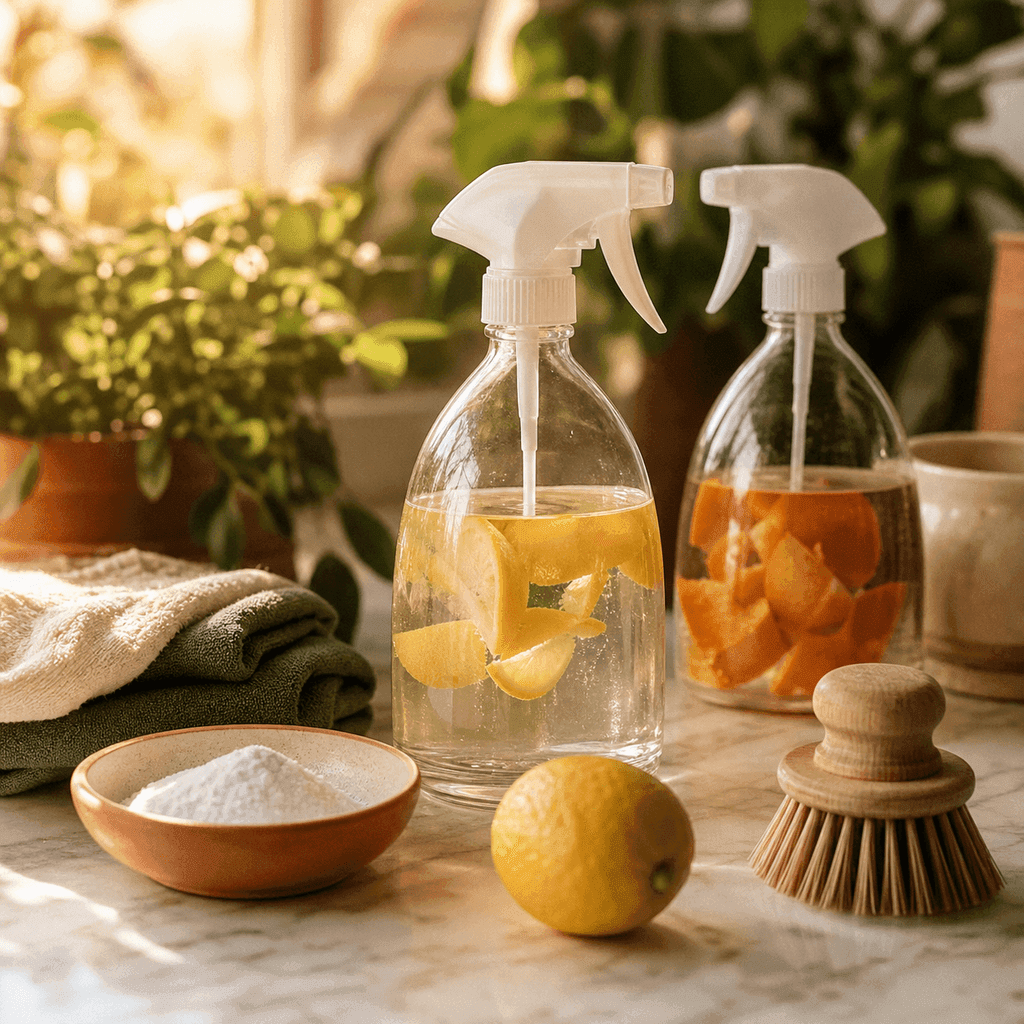
- A sprinkle of baking soda scrubbed with a damp brush
- A wipe of diluted white vinegar to neutralize smells
- A few minutes of steaming the empty basket over plain water to loosen buildup
What to Avoid
A few habits quietly destroy bamboo steamers, and they're worth calling out plainly.
- Skip the dish soap: porous bamboo absorbs detergent, which taints your next meal and dries out the fibers
- Never the dishwasher: the heat and prolonged soaking crack and warp the slats fast
- No long soaks: leaving it submerged waterlogs the bamboo and shortens its life
If your next batch of dumplings tastes faintly of soap, this is why plain hot water is the standard.
Drying: The Step That Matters Most
This is where most steamers live or die. After cleaning, shake off the excess water and set the steamer somewhere with good airflow, lid off and separate from the basket.
I stand mine on its side near a window until every part is bone dry, usually a few hours. Never rush drying in the oven or on a burner, since direct heat warps and splits bamboo. And never store it while it's still even slightly damp.
Keeping It Going for Years
Beyond cleaning, a couple of small habits extend a bamboo steamer's life even further:
- Rinse right after each use, before food dries onto the slats
- Line the basket with parchment or leaves so less residue reaches the bamboo
- Air dry fully every single time, no exceptions
That's the whole routine. A rinse, a gentle scrub, and the patience to let it dry completely. Treat your bamboo steamer this way and it'll keep earning its place on your shelf for years, right alongside all your other sustainable kitchen swaps.
Olivia Reed
Sustainable Kitchen Writer
Olivia writes about low-waste cooking, plastic-free storage, and getting the most out of every ingredient. She tests every swap in her own small-city kitchen. More from Olivia →