Best Reusable Grocery Bags: What to Look for and Which Are Worth It
Find the best reusable grocery bags by understanding which materials pay off, how many uses they need, and why consistency beats owning a dozen totes.
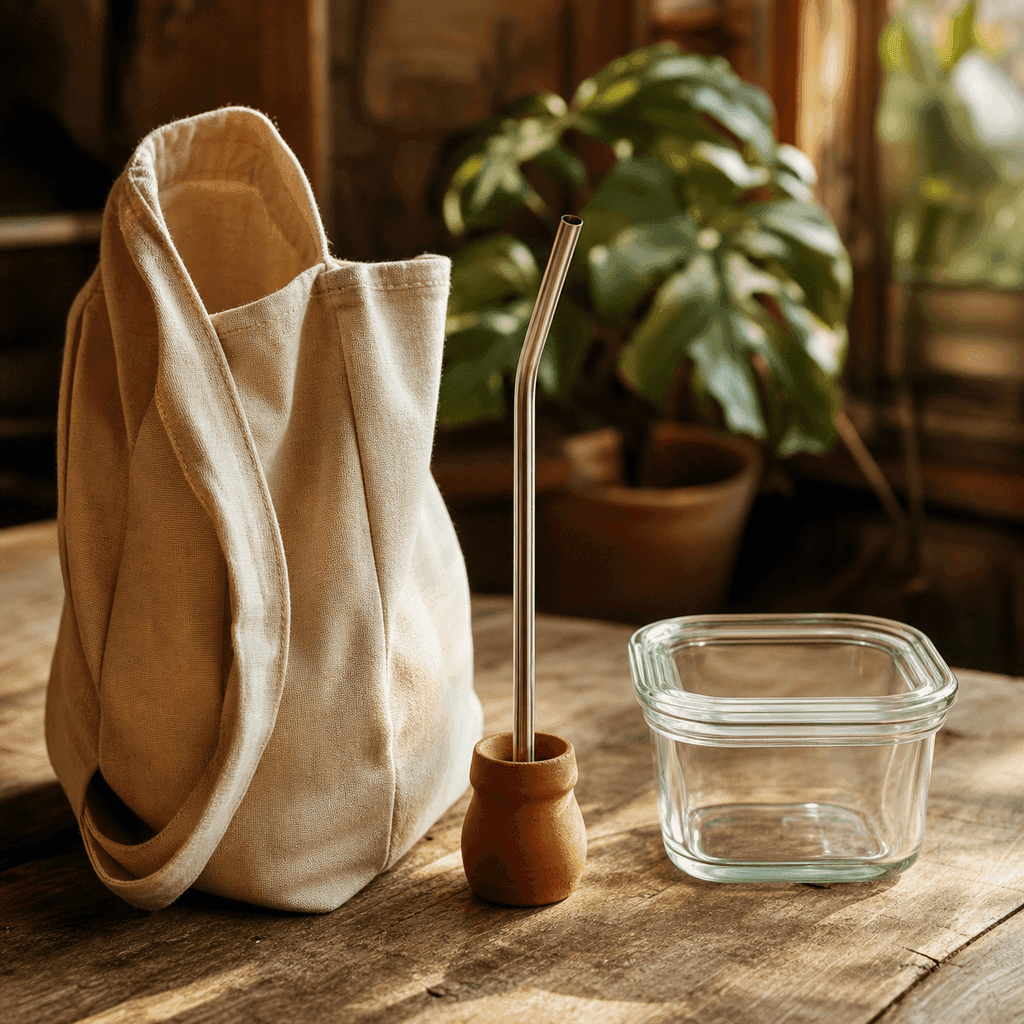
Here's something that genuinely stopped me in my tracks: a standard cotton tote bag needs to be used around 7,100 times to offset its production impact compared to a single plastic bag. That sounds impossible until you do the math, and finding the best reusable grocery bags turns out to be less about the material and much more about how faithfully you actually use them.
The Truth About Tote Bags
What makes a reusable bag worth it isn't owning one, it's using the same one over and over, for years. The environmental cost is almost entirely front-loaded into manufacturing, so every trip after that first purchase spreads the impact thinner.
That 7,100-number for cotton looks daunting, but context changes everything. Use a bag three times a week and you clear it in under five years. The real villain here isn't reusable bags, it's the drawer stuffed with forty barely-used ones, each carrying a manufacturing debt it will never pay off.
Buying more reusable bags to be greener is one of the most common mistakes in sustainable living. The goal is a small, durable set you'll use for a decade, not a growing collection you keep forgetting in the trunk.
Materials Compared
Not all reusable bags carry the same footprint, and the "best" material depends on how long the bag survives and how often you carry it.
Recycled Polypropylene (Non-Woven)
Those crinkly structured totes sold at checkout are usually recycled polypropylene. They have a low manufacturing footprint, so they break even after only a couple dozen uses, and they hold a lot of weight. The catch is durability, so treat them gently and they'll last.
Canvas and Cotton
Cotton feels great and looks nice, but it's the most resource-intensive to produce, especially conventional cotton. It's only worth it if you commit to it for the long haul. If you love a canvas tote, choose a heavyweight, well-stitched one and use it constantly.
Recycled Ripstop and Packable Nylon
Lightweight packable bags fold down to fit in a pocket or purse, which solves the biggest problem of all: forgetting them. Look for versions made from recycled fiber. Their portability means they get used, which is what actually counts.
What to Look For
When you're picking the bags that will earn their keep, a few practical features separate a keeper from landfill fodder.
- Durability: reinforced seams, double-stitched handles, and a sturdy base.
- Capacity and comfort: wide enough to load easily, with handles that don't dig into your shoulder.
- Washability: you'll want to clean it, so machine-washable or wipeable material matters.
- Packability: at least one that folds up small enough to always have on hand.
- Honest material: recycled content beats virgin, and durability beats everything.
Making Sure They Actually Get Used
The best bag in the world does nothing folded in a closet. Most of the environmental payoff comes down to a boring habit: remembering them.
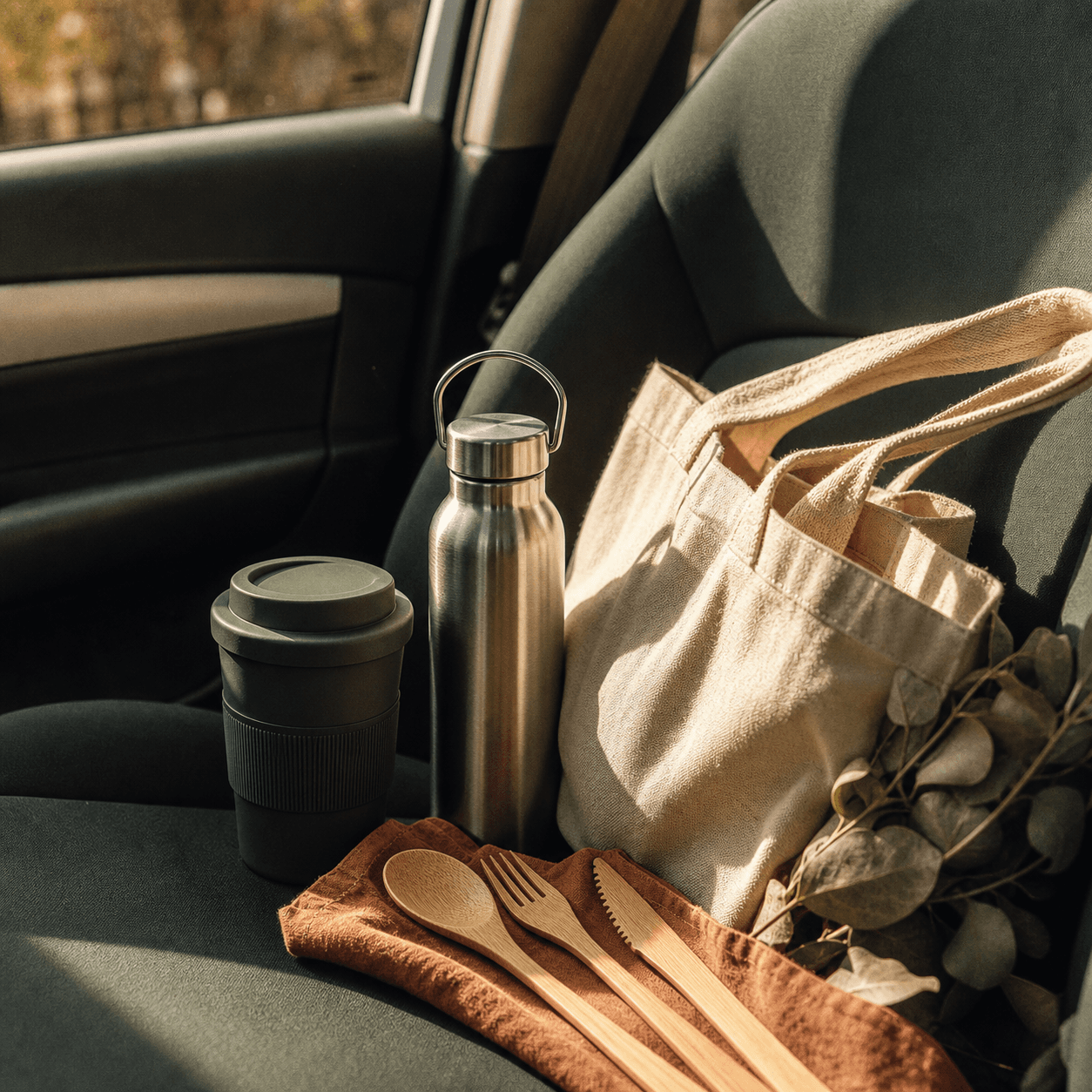
Return your bags to the car right after you unpack groceries. Keep a packable one clipped inside your everyday bag. Set a phone reminder tied to your usual shopping day if you need to, at least until it becomes automatic. The consistency is the entire game.
The Bottom Line
The best reusable grocery bags aren't defined by a single material, they're defined by longevity and use. Buy just a few durable ones, mix a sturdy tote with a packable backup, and commit to carrying the same set for years. Do that, and even a resource-heavy cotton bag easily earns its place, while a hundred forgotten totes never will.
Frequently Asked Questions
How many times do you have to use a reusable bag for it to be worth it?
It depends heavily on the material. A conventional cotton tote needs to be used around 7,100 times to offset its production impact versus a single plastic bag, which works out to under five years at three trips a week. Recycled polypropylene totes break even much faster, after only a couple dozen uses, because their manufacturing footprint is far lower.
What is the best material for a reusable grocery bag?
The best material depends on how long the bag survives and how often you carry it, since the environmental cost is front-loaded into manufacturing. Recycled polypropylene totes break even quickly and hold a lot of weight, while heavyweight canvas is worth it only if you commit to it for years. Recycled ripstop and packable nylon are valuable mainly because their portability means they actually get used.
Is it bad to own a lot of reusable bags?
Yes, and it is one of the most common mistakes in sustainable living. A drawer stuffed with dozens of barely-used totes carries far more manufacturing debt than it will ever pay off, so buying more bags to be greener usually backfires. A small, durable set you actually use for years beats a growing collection you keep forgetting.
How can I remember to bring my reusable bags?
Return your bags to the car right after you unpack groceries so they are always with you on the next trip. Keep one packable bag clipped inside your everyday purse or backpack for surprise stops, and set a phone reminder tied to your usual shopping day until it becomes automatic. The consistency is the entire point.
What features make a reusable grocery bag actually worth buying?
Look for reinforced seams, double-stitched handles, and a sturdy base, since durability is what lets a bag pay off its manufacturing cost. It should also be wide enough to load easily with handles that do not dig into your shoulder, and ideally machine-washable or wipeable so you can keep it clean. Recycled content beats virgin material, but durability beats everything.
Emily Bennett
Zero-Waste Home Writer
Emily focuses on the low-waste home — refills, natural cleaning, and calm, clutter-free swaps that actually stick. She believes greener living should feel good. More from Emily →