Composting in Winter: How to Keep Your Pile Active All Year
Learn how composting in winter really works and simple ways to keep your pile active, insulated, and accepting scraps through the coldest months.
A lot of people just walk away from their compost pile once the temperatures drop and figure they'll deal with it come April. Totally understandable, but you really don't have to. With a couple of small tweaks, composting in winter can keep quietly ticking along through the cold months, or at the very least keep accepting your scraps so you're ready the moment spring arrives.
What Actually Happens to Compost in Cold Weather
Here's what surprised me when I first started composting through winter: a frozen pile isn't a dead pile. It's a sleeping one.
Microbial activity slows dramatically once you dip below 50°F, and it nearly stops when the pile freezes solid. But those microbes aren't gone, they're dormant, waiting for warmth to come roaring back. And there's a hidden bonus. The repeated freeze-and-thaw cycle physically ruptures tough materials like leaves and stalks, so when things warm up, your pile breaks down faster than it would have otherwise.
So even a pile that looks like a frozen brick all January is doing quiet structural work. You're not losing the season, you're just pausing the fast part of it.
Insulate to Hold the Heat In
The single most useful thing you can do is trap whatever warmth the pile generates. A working compost pile makes its own heat, and insulation keeps that heat from bleeding straight out into the cold air.
- Pile on browns: bank a thick layer of dry leaves, straw, or wood chips around and over the pile like a blanket.
- Go bigger: a larger pile has more mass, and mass holds heat far better than a small one. Aim for at least a cubic yard if you can.
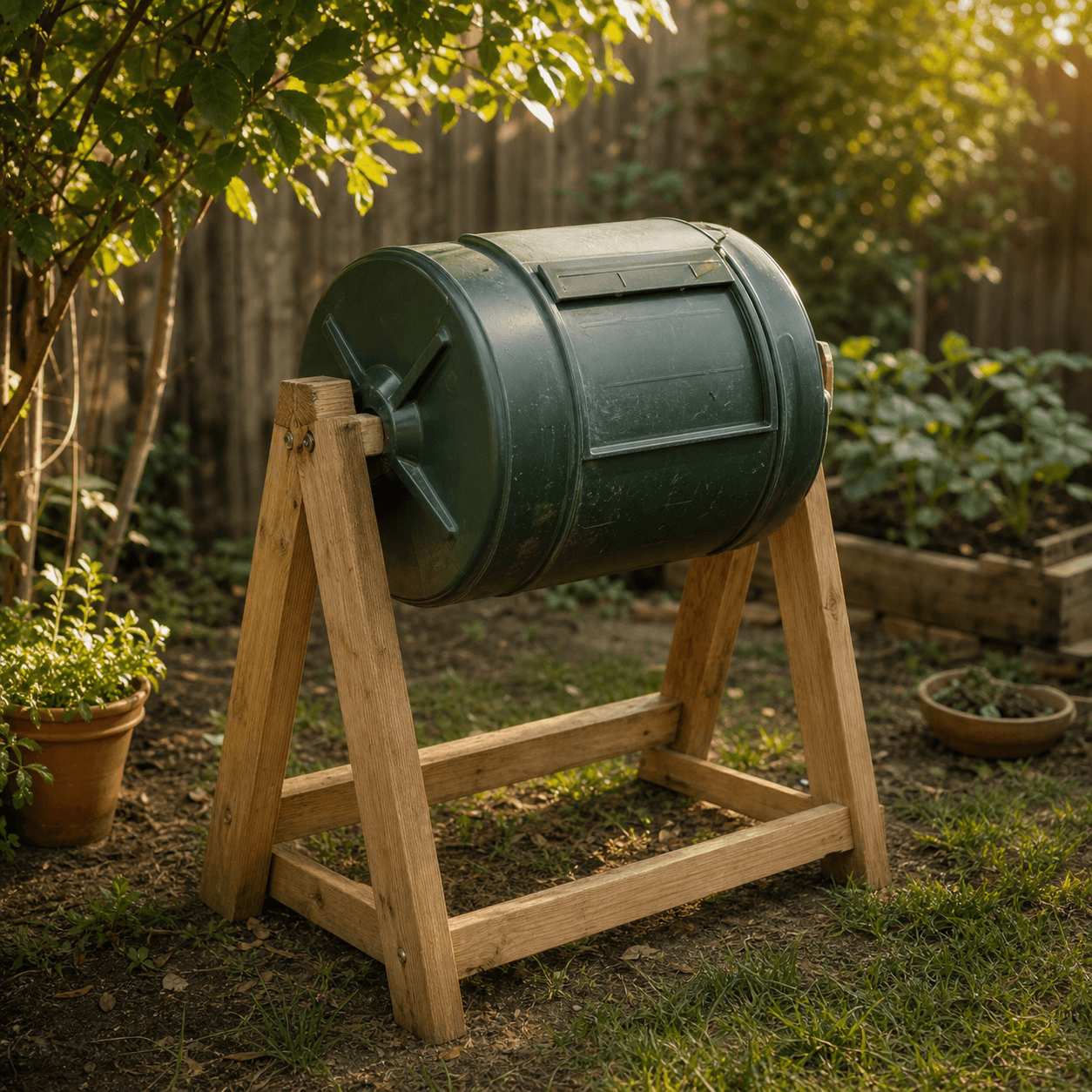
- Move it to shelter: tucking a bin against a south-facing wall or fence blocks wind and catches a little winter sun.
The mistake most people make isn't the cold itself, it's letting a small pile lose every bit of warmth to the wind. Size and a good blanket of leaves fix that.
Keep Feeding It All Winter
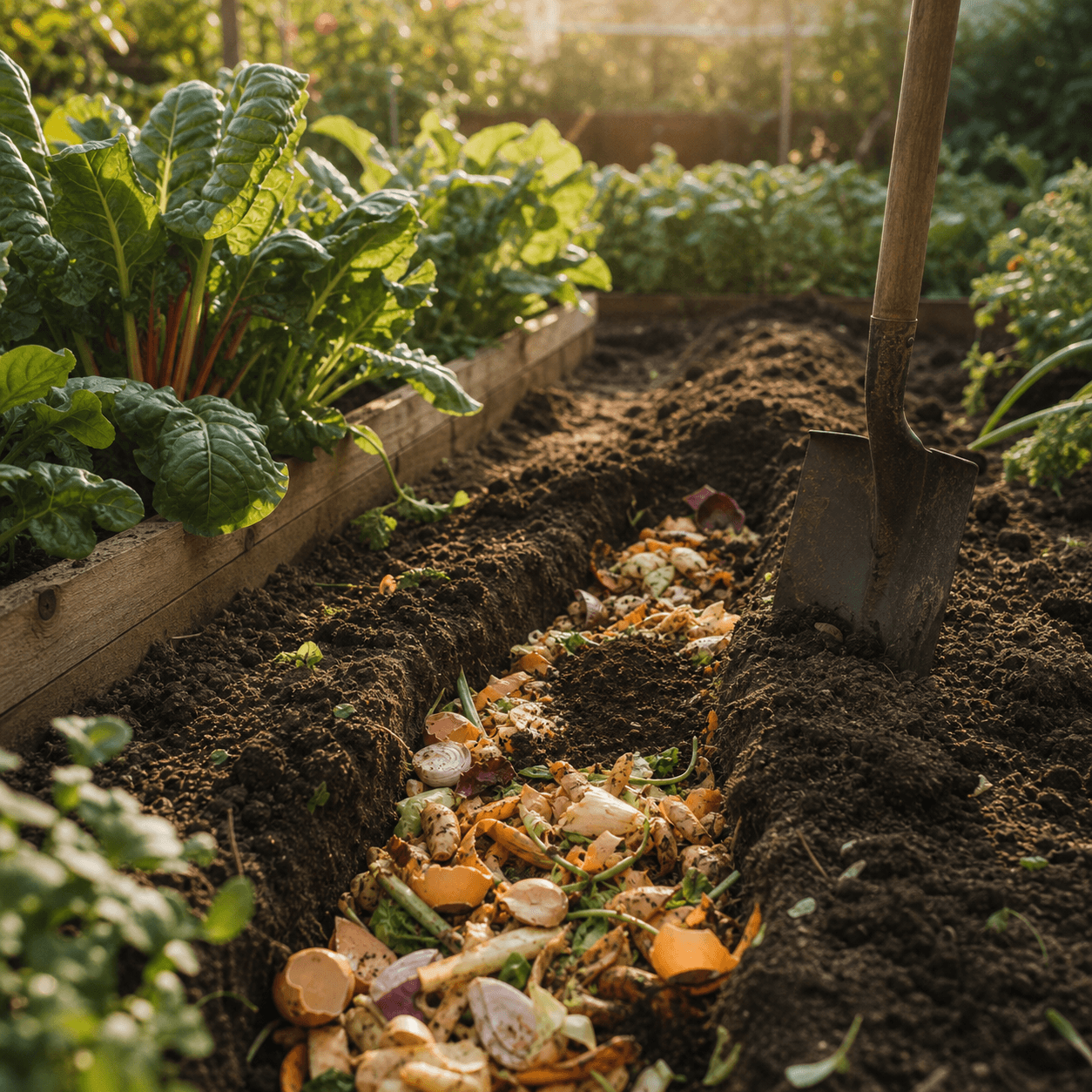
You can absolutely keep adding kitchen scraps through the coldest weeks. The trick is helping frozen materials break down efficiently once things thaw.
Chop Everything Smaller
Cold slows decomposition, so give your microbes a head start by cutting scraps into smaller pieces. More surface area means faster breakdown when warmth returns.
Keep a Countertop Stash
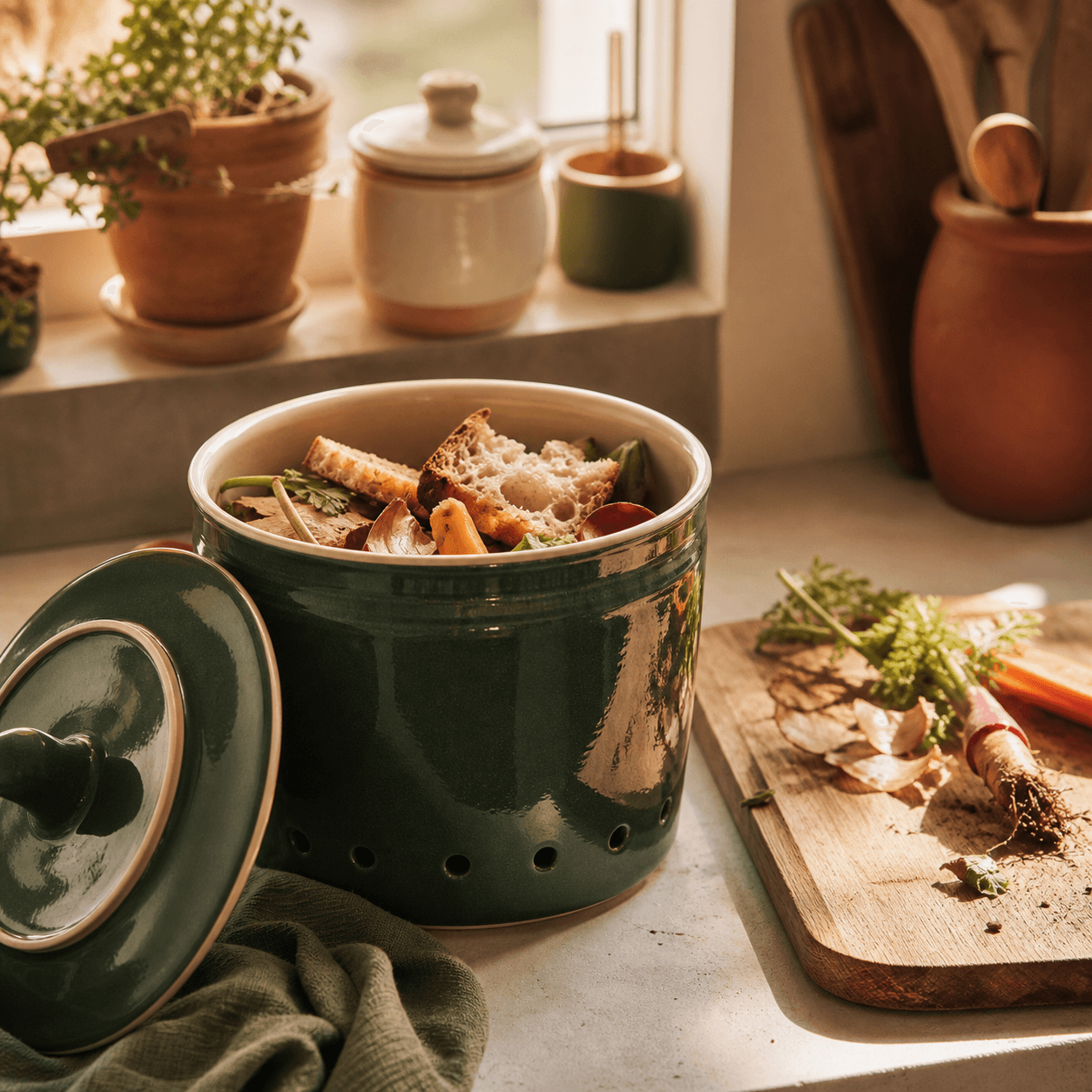
On the harshest days you may not want to trek out to the bin. Keep a lidded container or a bag of scraps in the freezer, then bring it all out when the weather breaks. Freezing actually helps by pre-rupturing the cells, same as the outdoor freeze-thaw effect.
Managing Moisture and Balance
Winter throws off your usual green-to-brown ratio. Snow and rain can waterlog an uncovered pile, and a soggy frozen mass is slow to recover. A loose-fitting lid or a tarp sheds excess moisture while still letting some air in.
At the same time, don't drown the pile in wet kitchen scraps without enough dry browns to balance them. Keep a stash of leaves or shredded cardboard nearby so every scoop of food waste gets a matching handful of carbon.
Spring Is Where It Pays Off
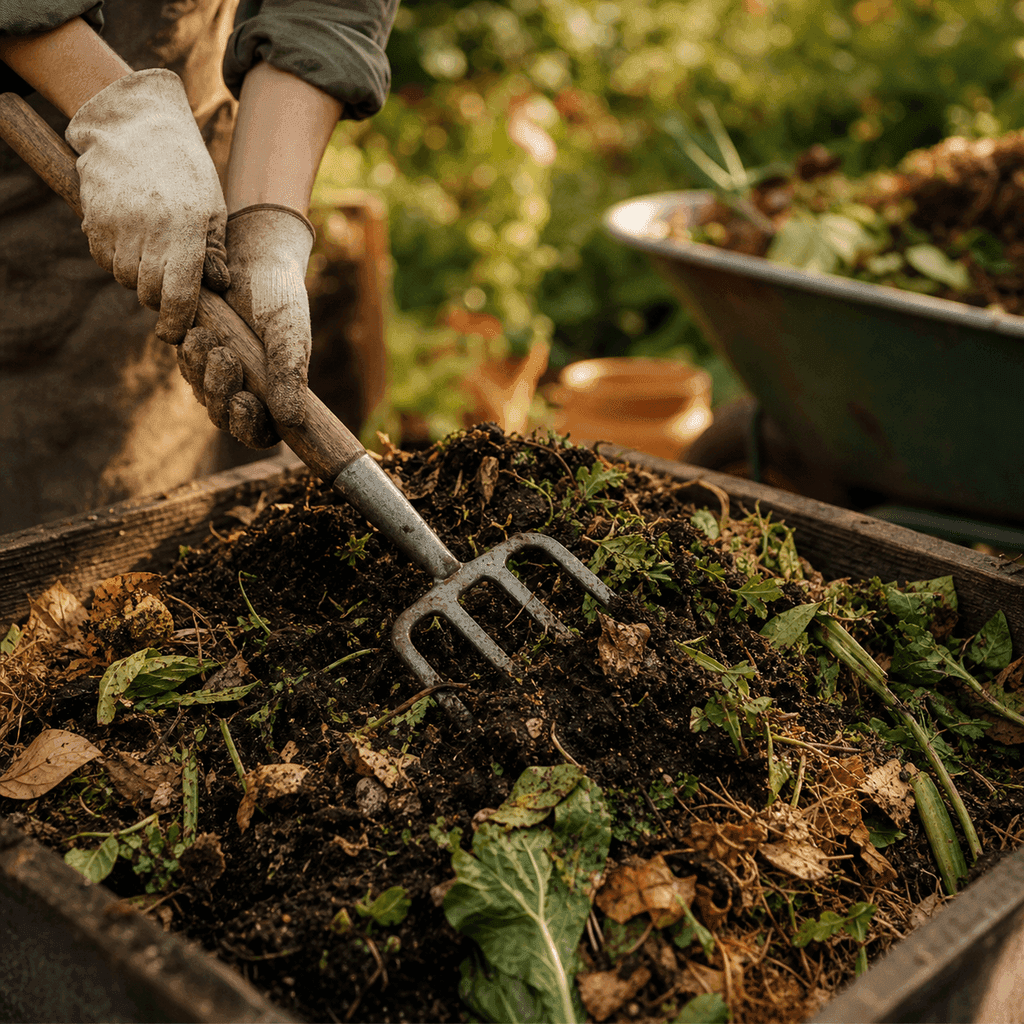
When temperatures climb back above 50°F, your dormant microbes wake up and the whole pile surges back to life. Give it a turn to reintroduce oxygen, check that it's damp like a wrung-out sponge, and you'll often find the bottom layers have quietly turned to finished compost over the winter.
That's the real reward of composting in winter. You skip the annual restart, keep diverting scraps from the trash for months, and roll into gardening season with a pile that's already halfway there.
Sarah Mitchell
Founder & Editor
Writer, home cook, and slightly obsessive gardener sharing small, doable ways to live a little lighter. Sarah started Earth Friendly Blogs at her own kitchen table. More from Sarah →