Compost Tea: How to Make Liquid Fertilizer From Your Compost
Learn how to make compost tea, a fast-acting liquid fertilizer that pulls nutrients and beneficial microbes from finished compost to feed your plants.
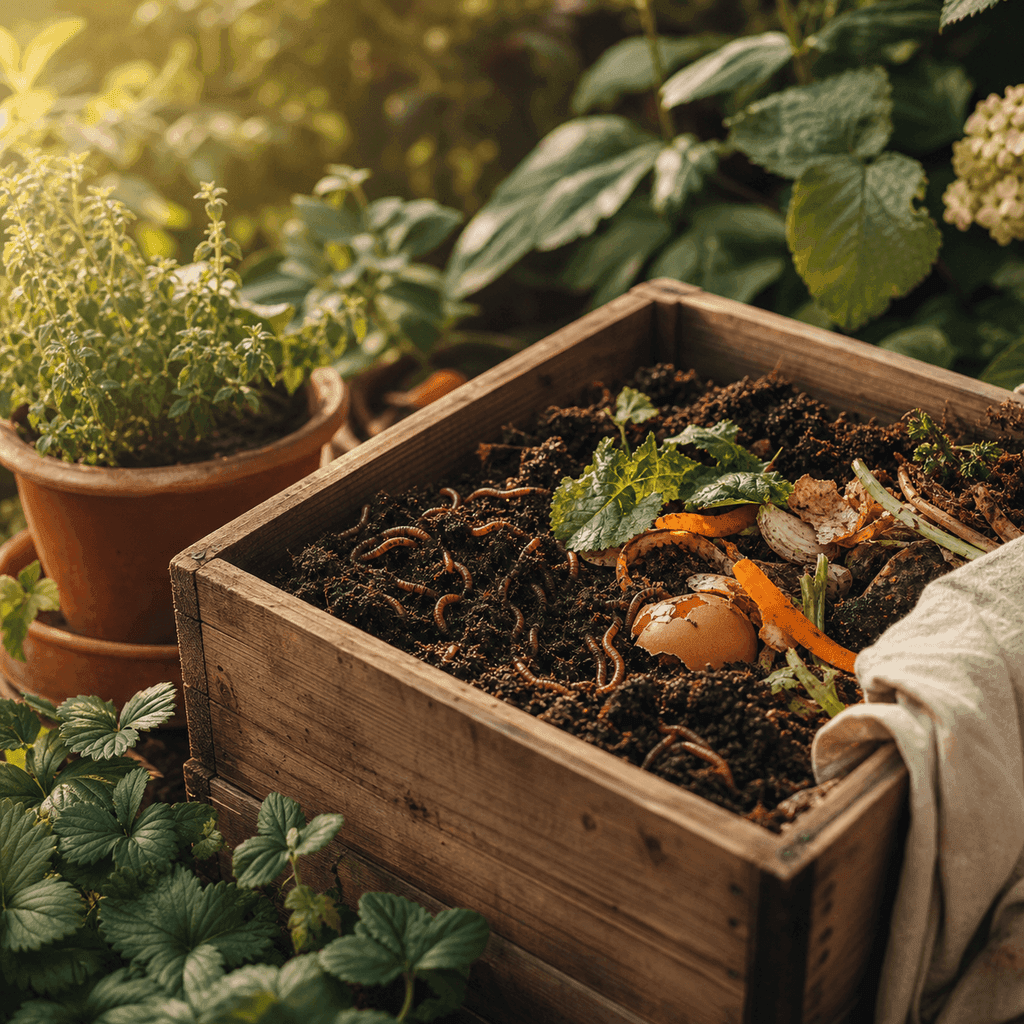
Okay, "compost tea" sounds like something your great-grandmother brewed in a bonnet, but hear me out. Last summer my tomatoes got so absurdly big that a neighbor actually stopped her car to ask what I was doing. This stuff works, and the best part is you're probably already halfway there if you've got a compost pile going. Here's exactly how I make it.
What Is Compost Tea?
At its simplest, compost tea is what happens when you steep finished compost in water long enough to pull out all those soluble nutrients and beneficial microorganisms. Solid compost is wonderful, but it releases its goodness slowly as it breaks down in the soil. Tea takes that same goodness and puts it into liquid form your plants can drink up almost immediately.
Think of it as the difference between eating a slow meal and taking a fast-absorbing supplement. The compost is the meal. The tea is the quick boost that gets nutrients and living microbes right where the roots can use them.
What You'll Need
Nothing fancy, and you likely have most of it already.
- Finished compost: dark, crumbly, and earthy-smelling, not raw scraps.
- A five-gallon bucket to brew in.
- Dechlorinated water: chlorine kills the very microbes you're trying to grow, so let tap water sit out for 24 hours or use collected rainwater.
- A mesh bag or old pillowcase to hold the compost, like a giant tea bag.
- Optional aquarium air pump if you want to make aerated tea (more on that below).
The Basic Method
This is the no-equipment version, and it's how I started.
Step by Step
- Scoop a few cups of finished compost into your mesh bag and tie it off.
- Drop the bag into the bucket and fill it with dechlorinated water.
- Let it steep somewhere shaded for 24 to 48 hours, giving it a stir once or twice a day.
- Pull the bag, and toss the spent compost right back onto your pile.
- Dilute the tea until it's the color of weak iced tea before you use it.
Never pour compost tea on plants at full strength. Diluted to a pale amber, it feeds them gently. Straight from the bucket, it can be too intense for tender roots.
Aerated vs. Simple Tea
You'll see gardeners swear by aerated compost tea, and there's real logic to it. Dropping an aquarium air pump into the bucket keeps oxygen flowing, which encourages beneficial aerobic microbes to multiply while discouraging the smelly anaerobic kind. Some brewers add a spoonful of unsulfured molasses to feed those microbes during a shorter 24-hour brew.
Aerated tea is more potent and more alive, but the simple steeped version still delivers a genuine nutrient boost with zero equipment. Start simple, and upgrade later if you catch the bug.
How to Use It
Compost tea works two ways. As a soil drench, pour it around the base of plants so the roots take up nutrients and microbes directly. As a foliar spray, mist it onto leaves in the early morning or evening, where it can help plants shrug off minor stress and provide a light feeding through the foliage.
Use it every couple of weeks during the growing season on vegetables, flowers, and container plants alike. Brew it fresh and use it within a day or two, since the living microbes fade fast once the tea sits.
That's really the whole trick. A few cups of compost, a bucket of water, and a day of patience turn your pile into a fast-acting liquid fertilizer, and possibly into the reason a neighbor stops to ask about your tomatoes.
James Carter
Composting & Soil Specialist
James is a lifelong allotment grower who's happiest with a fork in a compost heap. He covers composting, soil health, and closing the loop in the garden. More from James →