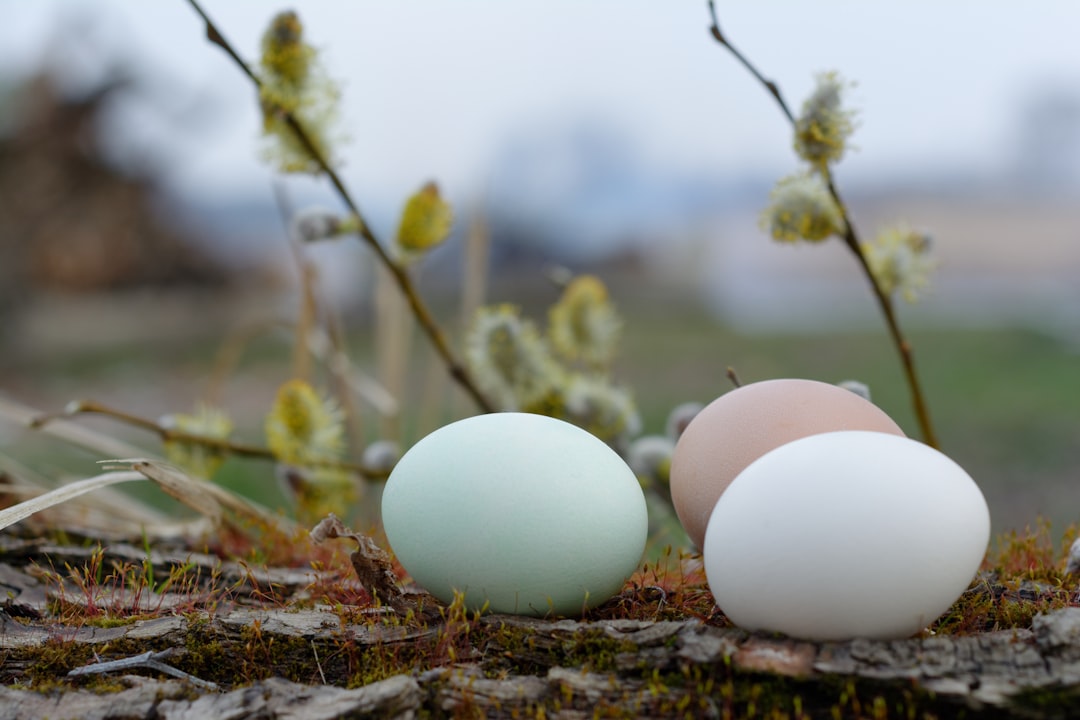
Spring celebrations — Easter, May Day, equinox gatherings — are some of the most naturally eco-friendly holidays out there, because they’re already about what’s actually happening outside: things growing, warming up, coming back to life. Here’s how to lean into that instead of fighting it with plastic.
Natural Egg Dyeing
I tried this for the first time a few years ago and was genuinely shocked by how gorgeous the colors came out. Red cabbage gives you these moody blues and purples. Turmeric goes almost neon yellow. Beets land somewhere between dusty rose and deep cranberry depending on how long you leave the eggs in. Coffee and black tea give warm, earthy browns that look like something from an antique shop.
The process is simple — boil your dyeing ingredient in water with a splash of white vinegar, let it cool, then soak your hard-boiled eggs anywhere from 30 minutes to a few hours. Longer soak, deeper color. My kids thought it was basically a science experiment, which, honestly, it kind of is.
Seed and Plant Gifts
Skip the plastic-wrapped candy and little toys that end up in the trash by Tuesday. Seed packets, small herb starts, or native wildflower seed bombs make gifts that are actually useful — and they connect to the season in a way that a bag of plastic eggs never will. A seed packet tucked inside a handwritten envelope costs almost nothing and means so much more than it has any right to.
My neighbor gave my daughter a little pot of basil last Easter and she still talks about “her plant.” That’s the kind of thing people remember.
Nature-Based Decorations
Here’s something that surprised me when I started doing it: decorating with stuff from outside is actually more beautiful than anything I used to buy. Forsythia branches forced in a mason jar of water. Tulips from the backyard. A handful of moss. None of it costs anything, none of it comes in packaging, and when you’re done, it all composts completely. No guilt, no landfill.
Eco-Friendly Baskets
Those plastic Easter baskets are everywhere, and they break within two seasons. Woven seagrass, rattan, or bamboo baskets hold up for years — I’ve had the same two for almost a decade now — and when they finally give out, they biodegrade instead of sitting in a landfill forever. Swap the plastic grass filler for shredded natural paper or a little handful of real grass from outside.
Fill them with seed packets, beeswax crayons (around $8–$12 for a good set), wooden toys, or small plants. My husband was skeptical the first year we did this, but watching our kids actually play with the wooden stuff for months afterward made him a quick convert.
Community Garden or Planting Party
This one’s my personal favorite. Getting a group together to plant a community garden bed, toss seed bombs in an empty lot, or just clean up a local trail turns the whole holiday into something you actually did together — not just something you consumed. It’s festive in the best, most old-fashioned way. There’s dirt under your nails, people are laughing, and you leave knowing you made something better.
Even a small backyard version with a few neighbors and some pots of tomatoes counts. Don’t overthink it.
Final Thoughts
What I keep coming back to is that spring doesn’t need much help from us. The whole point of the season is already right there — things coming back, new growth, the world warming up again. Natural egg dyes, seed gifts, and planting parties aren’t just “eco swaps.” They actually connect you to what’s happening outside your window right now.
Which of these feels most doable for your family this year? Start with just one. That’s always been enough for me.
Check out our other eco-friendly guides.