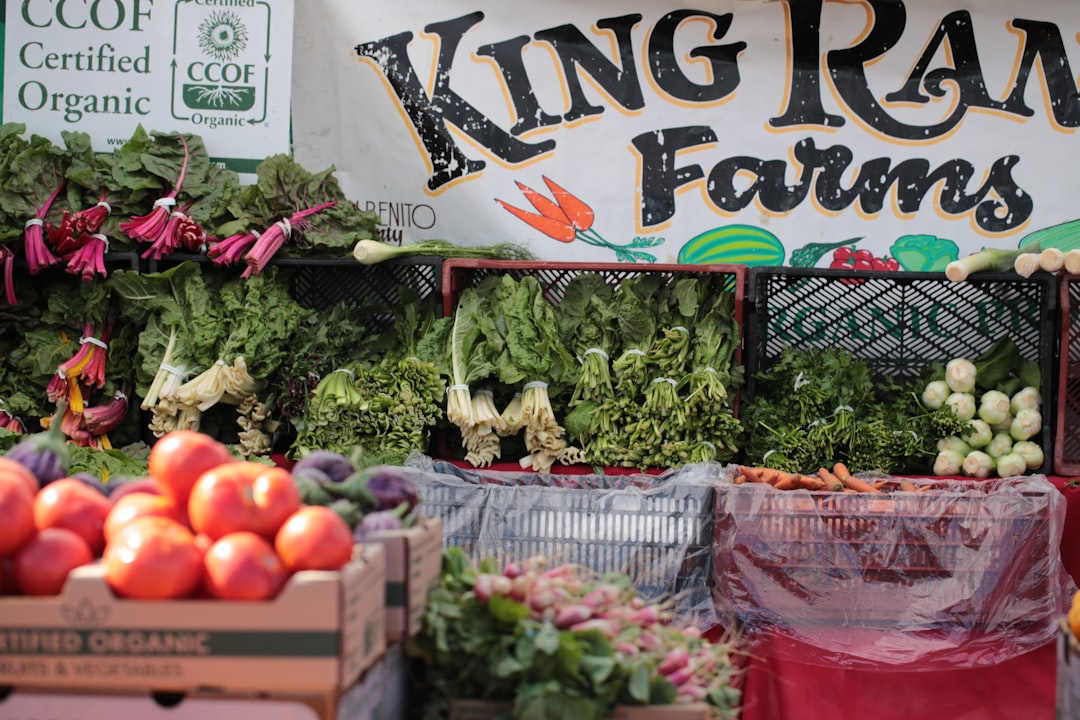
Seasonal eating is one of those habits that kind of got buried under the convenience of the modern grocery store, where you can buy a tomato in January like it’s totally normal. It’s not normal. And once you start paying attention to what’s actually in season near you, there’s no going back — the flavor difference alone will convince you.
Why Seasonal Eating Matters
Here’s the thing most people don’t realize: that out-of-season zucchini in your February grocery cart was probably grown in a heated greenhouse or flown in from Chile. The carbon footprint can be ten to twenty times higher than the same vegetable grown locally a few months later. I know that sounds dramatic, but the math adds up fast when you factor in refrigerated shipping, artificial lighting, and climate-controlled storage. And beyond the environmental piece — seasonal local produce gets harvested when it’s actually ripe, which means real flavor and a genuinely better nutrient profile. That January tomato? Mealy and sad. A July tomato from the farm stand down the road? Completely different food.
Spring Seasonal Eating
Spring produce hits different after a long winter of root vegetables and storage squash. Asparagus, peas, fava beans, artichokes, spinach, arugula, radishes, green onions, the first strawberries — these are the foods people actually get excited about, and it’s because they show up briefly and taste incredible when they do. I genuinely look forward to asparagus season every year. My husband thinks I’m overdoing it, but then he eats three helpings, so. Eat these abundantly while they’re here and local, because they won’t stick around long.
Summer Seasonal Eating
Summer is when seasonal eating basically sells itself. Tomatoes, corn, zucchini, cucumbers, eggplant, peppers, peaches, blueberries, blackberries, green beans, fresh basil — it’s almost overwhelming in the best way. This is the season to eat fresh as often as possible, to freeze a big batch of blueberries for January smoothies, and to actually go to the farmers market on a Saturday morning and see what’s there. I canned tomatoes for the first time a couple summers ago and felt ridiculously proud of myself. Totally worth the mess.
Fall and Winter Seasonal Eating
Fall is honestly underrated. Winter squash, sweet potatoes, Brussels sprouts, kale, cauliflower, apples — there’s so much good stuff happening. And here’s one that surprised me when I first heard it: kale and Brussels sprouts actually get sweeter after a frost. The cold converts some of their starches to sugar. So the best Brussels sprouts you’ll ever eat are the ones that have been through a cold snap. Winter shifts things toward root vegetables, storage squash, citrus, and whatever you preserved in summer — and that rhythm starts to feel really natural once you get used to it.
Finding What Is In Season Near You
Your local farmers market is genuinely the easiest starting point — every single vendor there is selling what’s in season and grown nearby, no research required. If you want to go deeper, the Seasonal Food Guide has state-by-state produce calendars that are super easy to use. And if you want someone to just handle it for you, a CSA box subscription drops a weekly assortment of whatever’s at peak in your region right at your door. I’ve used all three of these, and honestly the farmers market is my favorite just because you get to talk to the people actually growing the food.
Final Thoughts
If you want to start somewhere, just go to a farmers market this weekend and buy whatever looks most abundant and local. Don’t overthink it. The flavor difference will do the convincing for you — I’ve never met anyone who went back to off-season grocery store tomatoes after eating a real in-season one. Seasonal eating isn’t giving something up. It’s trading mediocre produce you can get anytime for genuinely great food that makes you actually look forward to cooking.
Check out our other eco-friendly guides.