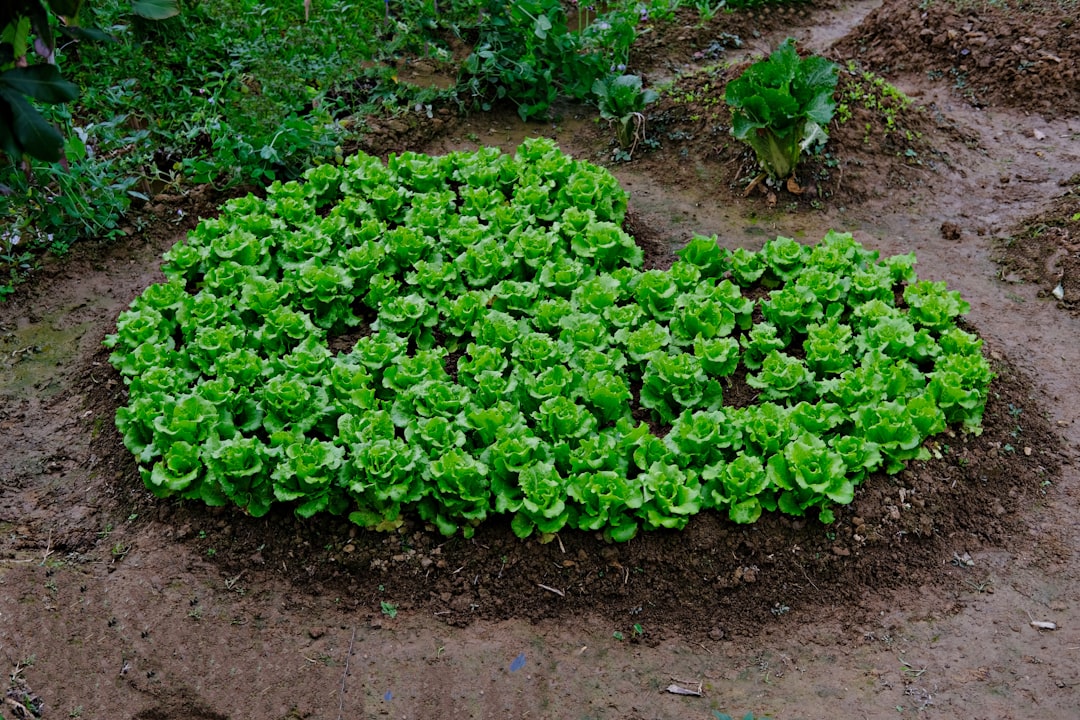
Growing even a little of your own food genuinely shifts how you think about eating — and it quietly eliminates a surprising amount of plastic packaging from your weekly grocery haul. These are the vegetables I always point beginners toward, because they actually work. No crossed fingers required.
Salad Greens: Fastest Return
Honestly, salad greens might be the most satisfying thing you can grow your first season. Lettuce, spinach, arugula, mixed mesclun — they’re ready in 25-30 days from seed, which feels almost like cheating. I scatter them thinly in a container on my back porch, barely cover them with soil, water gently so I don’t wash the seeds away, and just… wait a few weeks. You harvest the outer leaves and the plant keeps going. One decent-sized pot gave my family fresh salad all spring without a single plastic clamshell from the grocery store.
Radishes: Ready in Three Weeks
Three weeks. That’s it. Radishes are the fastest thing you can grow, and some varieties — like Cherry Belle — are pull-ready at 21 days flat. I’ll be honest, I didn’t even really like radishes until I grew my own and ate one still warm from the sun. There’s something about that 21-day turnaround that makes them weirdly addictive to grow, especially if you’re the kind of person who loses patience waiting for results.
Beans: Reliable and Abundant
Bush beans are about as low-drama as vegetables get. Wait until after your last frost date, push the seeds about an inch into the soil, water them regularly, and step back. Once they start producing — usually around 50-55 days — you’ll need to harvest every two to three days or they’ll get tough and stringy. My husband thought that sounded like a lot of work until he realized “every two to three days” means a fresh handful of beans basically forever. Bonus: bush beans fix nitrogen back into the soil, so whatever you plant in that spot next season gets a little head start.
Zucchini: Almost Too Productive
There’s a reason gardeners joke about leaving zucchini on neighbors’ doorsteps in the middle of the night — this plant does not hold back. Two seeds per hill after your last frost, thinned down to one plant, and kept reasonably well-watered is genuinely all it takes. I grew two plants last summer and was bringing zucchini to literally every person I knew by July. Harvest them small, around 6-8 inches, and they taste so much better than the baseball-bat-sized ones from the store.
Tomatoes: The Most Rewarding
Tomatoes ask more of you — typically 70-80 days from transplant to first harvest — but nothing from a grocery store comes close to a homegrown tomato still warm from the vine. If you’re just starting out, skip the big beefsteaks and go straight for a cherry variety. Sungold is the one I always recommend. They’re orange, intensely sweet, and nearly impossible to kill. I’ve seen people grow them in 5-gallon buckets on apartment balconies with great results. Grow them once and you’ll be planning next year’s garden before summer’s even over — that I can almost guarantee.
Final Thoughts
If you’re sitting on the fence, just grab a packet of mixed salad greens this weekend — they’re usually around $2-3 at any hardware or garden store — and toss them in whatever container you have. You could be eating your first homegrown salad in less than a month. Add beans and zucchini once your frost risk has passed, and by midsummer you’ll be pulling real food out of your garden on a near-daily basis. Less packaging, more flavor, and that quiet satisfaction of knowing exactly where your dinner came from. Worth every bit of it.
Check out our other eco-friendly guides.