Easy Vegetables to Grow at Home for Zero Waste Beginners
Discover the easiest vegetables to grow at home for zero waste beginners, from fast salad greens to herbs that cut plastic packaging.
Growing even a little of your own food genuinely shifts how you think about eating, and it quietly eliminates a surprising amount of plastic packaging from your weekly grocery haul. These are the easy vegetables to grow at home that I always point beginners toward, because they actually work. No crossed fingers required, no special skills, and no expensive setup.
Salad Greens: The Fastest Reward
Honestly, salad greens might be the most satisfying thing you can grow your first season. Lettuce, spinach, arugula, and mixed mesclun are ready to harvest in as little as 25 to 30 days from seed, which for a beginner feels almost like cheating.
They're forgiving, too. You don't need a garden bed, just a container at least six inches deep. Scatter the seeds thinly across the surface, cover them with a whisper of soil, water gently, and keep them somewhere with a few hours of sun.
The real magic is in how you harvest. Instead of pulling the whole plant, snip the outer leaves and leave the center growing. This is called cut-and-come-again, and it means one planting keeps producing for weeks. A single well-tended container can keep a family in salad for months, which is a lot of plastic clamshells you never have to buy.
Radishes: Instant Gratification
If greens are fast, radishes are practically instant. Many varieties go from seed to plate in three to four weeks, making them perfect for impatient beginners and a great crop to grow with kids.
Sow the seeds directly where they'll grow, about a half-inch deep, thin the seedlings so they have room to bulb up, and keep the soil evenly moist so they don't turn woody. Don't toss the tops, either, radish greens are edible and make a peppery addition to a stir-fry or soup. That's zero-waste gardening in a nutshell.
Herbs: The Best Value on the Windowsill
Store-bought herbs are one of the worst deals in the grocery store, a fistful of basil in a plastic sleeve for a few dollars, half of it slimy by Thursday. Grow your own and you'll never look back.
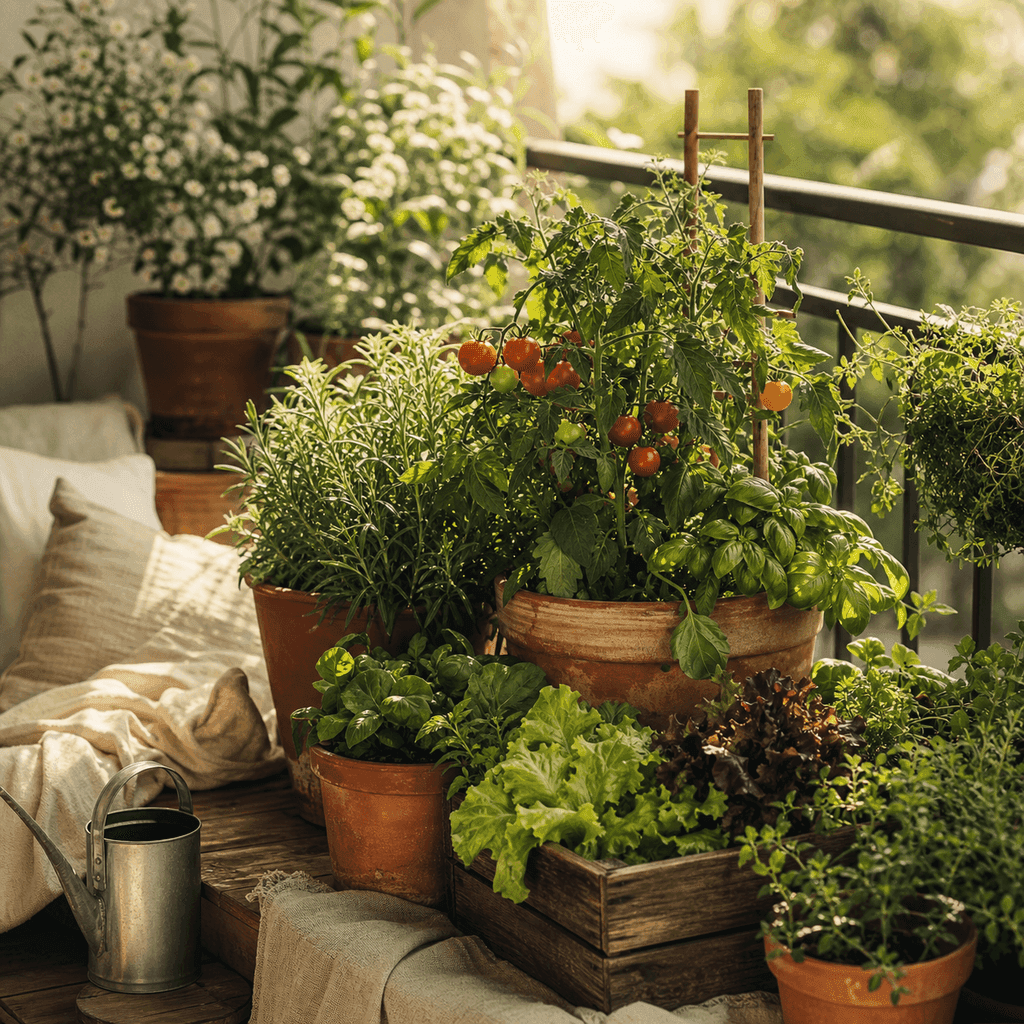
- Basil, mint, cilantro, and parsley all grow happily in pots on a sunny windowsill or balcony.
- Snip what you need, when you need it, and the plants keep pushing out more.
- Mint in particular is nearly impossible to kill, though it's best kept in its own pot so it doesn't take over everything.
The packaging savings alone make herbs worth it, and fresh-cut always tastes better than the wilted bunch you paid for.
The best beginner crops are the ones you'd otherwise buy wrapped in plastic every week. Grow those first and the garden starts paying for itself.
Bush Beans and Zucchini: Generous and Easy
Once you've got the quick wins under your belt, these two reward a little patience with a serious harvest.
Bush Beans
Bush beans don't need staking, grow into tidy little plants, and produce heavily. Push the seeds an inch into warm soil after your last frost, keep them watered, and start picking in about eight weeks. The more you pick, the more they make.
Zucchini
Zucchini is almost comically productive, one healthy plant can feed a household and then some. Give it sun, space, and steady water, and pick the fruit young and tender. Just be ready to share with the neighbors, because you will have extra.
Start Small and Build
The biggest beginner mistake is planting too much too fast, getting overwhelmed, and giving up. Don't. Pick two or three of these, a pot of greens, some herbs, maybe a zucchini, and get comfortable before you expand. A modest, well-tended garden beats an ambitious, neglected one every time, and it leaves you eager to grow more next season instead of burned out.
Sarah Mitchell
Founder & Editor
Writer, home cook, and slightly obsessive gardener sharing small, doable ways to live a little lighter. Sarah started Earth Friendly Blogs at her own kitchen table. More from Sarah →