Native Plants for Your Garden: Why They Matter and How to Choose
Discover why native plants for your garden matter for wildlife and water use, plus how to choose the right ones for your region.
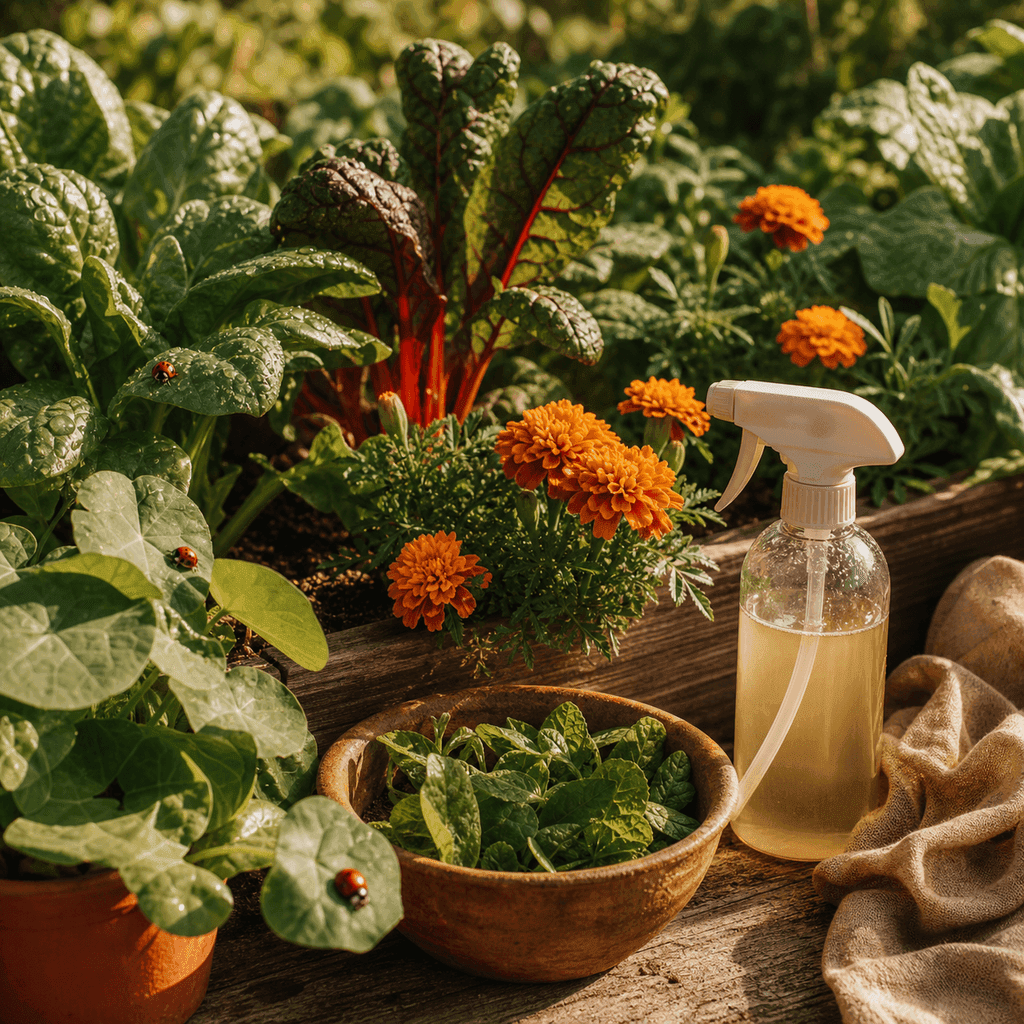
Native plants are honestly the smartest eco-friendly garden choice you can make. They need less water, less fertilizer, and less fussing over pests, and they do more for local wildlife than just about anything else you could plant. Once native plants for your garden are established, you'll spend far less time maintaining them than a typical ornamental bed, which is a rare case of the greener option also being the easier one.
Why Native Plants Matter So Much
Here's the thing most people don't realize: native plants and local wildlife didn't just end up together by accident. They've been evolving alongside each other for thousands of years, and that shared history runs deep.
Native bees are the clearest example. Many of them are specialists, meaning they depend on specific native plants for pollen and nectar that non-native ornamentals simply can't provide. The same goes for butterflies and moths, whose caterpillars often eat the leaves of only a handful of native species, think monarchs and milkweed. Those caterpillars, in turn, are the food that baby birds are raised on. Pull the natives out and the whole chain starts to unravel.
- More wildlife support: natives feed pollinators, caterpillars, and the birds that eat them.
- Less water: adapted to your local rainfall, they rarely need extra once established.
- Fewer inputs: they generally shrug off local pests and don't need fertilizer.
- Deeper roots: many natives root far down, holding soil and soaking up rainfall.
A garden of native plants isn't just decoration. It's a working piece of habitat that quietly feeds hundreds of creatures you'll never even see.
How to Choose the Right Natives
The word "native" is regional, so the first step is figuring out what's native to your area, not the country in general. A plant native to the Southwest desert won't be native to the Northeast woods.
Start With Your Region and Conditions
- Look up your state's native plant society or a regional native-plant database. Most have searchable lists.
- Note your conditions honestly: how much sun each spot gets, whether the soil is sandy or clay, wet or dry.
- Match plants to those conditions rather than fighting them. A shade native in a sunny bed will struggle no matter how "native" it is.
Buy From the Right Source
Seek out a nursery that specializes in natives, or a native-plant sale run by a local group. Big-box garden centers often sell cultivars, or plants treated with systemic pesticides that can harm the very pollinators you're trying to help. When in doubt, ask whether the plants are pesticide-free.
Plant for Every Season
The most useful gardens offer something in bloom from early spring through fall, so pollinators have food across their whole active season. Choose a mix of early, mid, and late bloomers, and include a few native grasses or shrubs for structure and overwintering habitat.
Getting Them Established
Native plants earn their low-maintenance reputation, but only after their first year. The first season, water them regularly while their roots dig in. Many natives put enormous energy into building deep root systems before they ever look impressive above ground, so a modest little plant may be doing serious work underground.
After that first year, most natives largely take care of themselves. Skip the fertilizer, since rich feeding often produces floppy growth on plants adapted to lean soils. A light mulch and the occasional cutback are usually all the care they ask for.
The Long Payoff
Give it a season or two and a native garden hits a rhythm that a conventional one never quite does. The watering can stays in the shed, the pests balance themselves out as beneficial insects move in, and the bees and butterflies find you fast. You end up with a garden that's alive in the fullest sense, lower effort, lower cost, and doing real good for the patch of the world it sits in.
Sarah Mitchell
Founder & Editor
Writer, home cook, and slightly obsessive gardener sharing small, doable ways to live a little lighter. Sarah started Earth Friendly Blogs at her own kitchen table. More from Sarah →