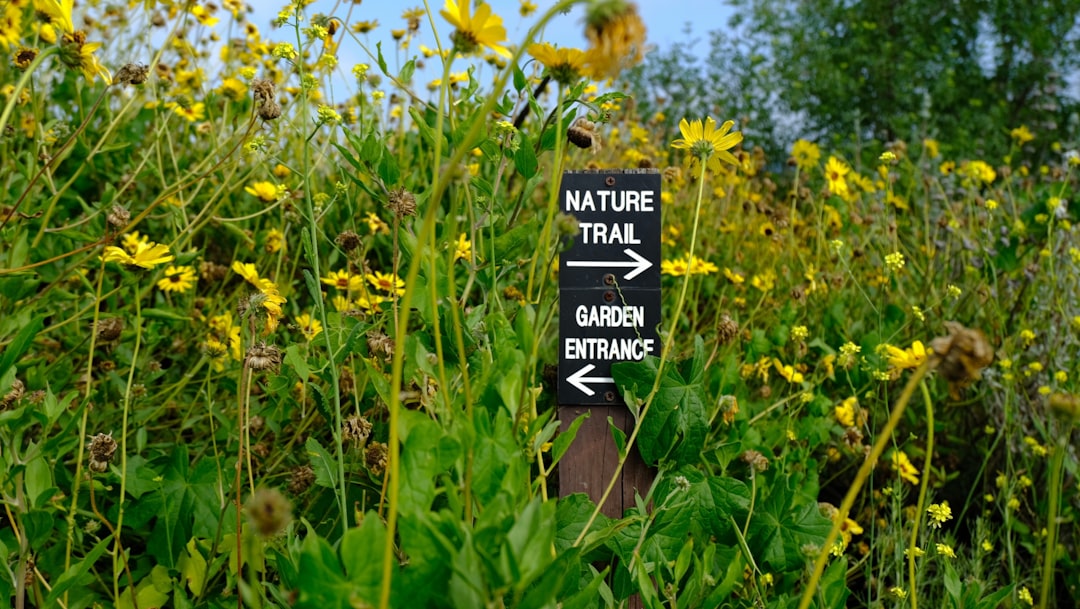
Native plants are honestly the smartest eco-friendly garden choice you can make — they need less water, less fertilizer, less fussing over pests, and they do more for local wildlife than just about anything else you could plant. Once they’re established, you’ll spend way less time maintaining them than a typical ornamental garden.
Why Native Plants Matter So Much
Here’s the thing most people don’t realize: native plants and local wildlife didn’t just end up together by accident. They’ve been evolving alongside each other for thousands of years. Native bees — and there are hundreds of species beyond just honeybees — often need specific native plants for the right kind of pollen and nectar. A fancy imported ornamental just doesn’t cut it for them. And caterpillars? They’re the main food source for nesting songbirds, and they can only eat certain native plants. Put a yard full of non-native ornamentals in front of them and they’ll starve. That part actually stopped me in my tracks when I first read it.
The Practical Benefits for Gardeners
Okay, so native plants are great for wildlife — but they’re also genuinely easier to take care of, and I say that from experience. Once they’re established (usually after the first full season), they’ve figured out your local rainfall and they don’t need you hovering over them with a hose. No fertilizer. Barely any pest problems, because local insects and native plants have already worked out their relationship over millennia. My husband was skeptical the first summer we converted part of our backyard, but by year two he was the one telling neighbors about it.
How to Find Native Plants for Your Region
This is where people get stuck, but it’s actually pretty easy to get pointed in the right direction. The Audubon Society Native Plant Database, the Lady Bird Johnson Wildflower Center, and the Xerces Society all let you search by zip code and will show you exactly what’s native to your area. If you want something more local, check if your county has a native plant society — ours holds plant sales in spring where everything’s already vetted for the region. Your university extension office is another solid option and often completely free to use.
High-Impact Native Plants Worth Adding
If you’re not sure where to start, these four do an enormous amount of heavy lifting. Milkweed is the obvious one for monarchs, but it actually supports over 400 insect species — that number genuinely surprised me. Goldenrod (which people wrongly blame for allergies — that’s ragweed, not goldenrod) supports more than 100 native bee species. Coneflowers bring in native bees all summer and then feed goldfinches straight through fall with their seeds. Wild bergamot? Hummingbirds, butterflies, bees — it’s basically a wildlife magnet. Those four plants alone will transform what shows up in your yard.
Starting Small
You don’t have to rip everything out and start over — seriously, don’t let that idea talk you out of doing anything at all. I started with one milkweed plant in a sunny corner three years ago. Just one. By midsummer there were monarch caterpillars on it and I was texting photos to everyone I know. Pick one or two species, find a spot that gets decent sun, and just watch what happens. It’s honestly one of those things where the results do the convincing for you.
Final Thoughts
What I love most about native plants is that you’re not just helping one species — you’re plugging into an entire food web that was already here, just waiting for somewhere to land. Start with milkweed and goldenrod if you’re paralyzed by choices. Plant them, leave them alone, and pay attention to what starts showing up. Last September I counted four different bee species on my goldenrod in a single afternoon. That’s not something you get from a row of petunias.
Check out our other eco-friendly guides.