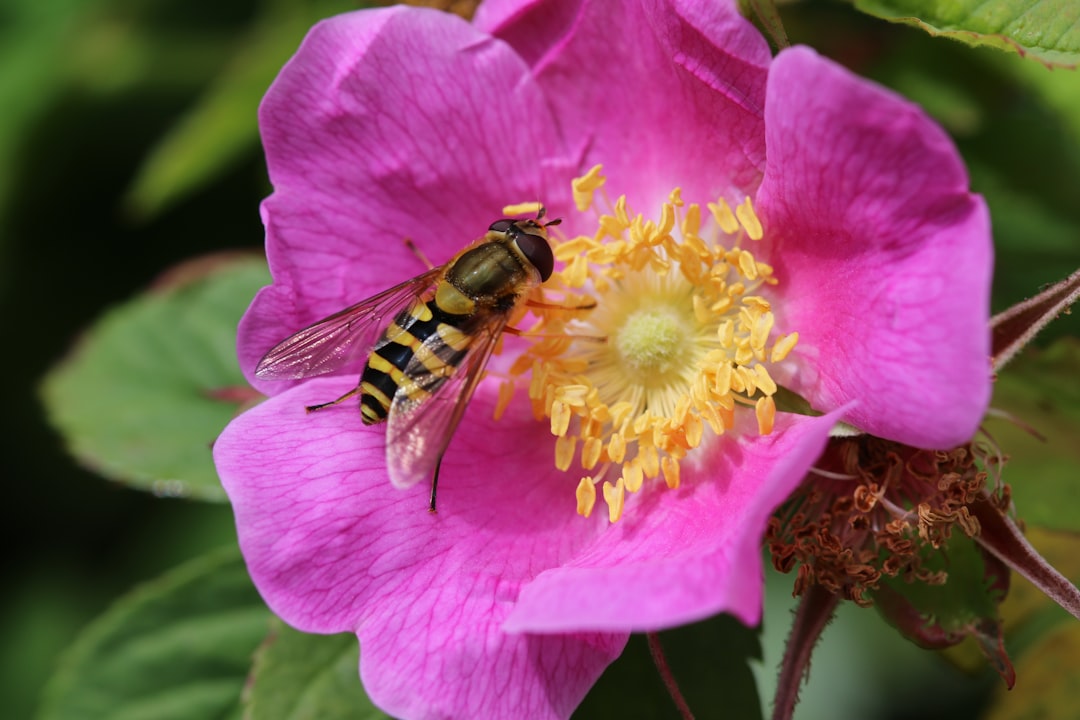
Pollinator populations are declining globally, largely due to habitat loss, pesticide use, and reduced plant diversity. Your garden — even a small one — can be a meaningful refuge.
Plant for the Whole Season
Here’s something I didn’t think about when I first started gardening: bees and butterflies are hungry from March all the way through October, not just when your summer flowers are at peak bloom. If you’ve only got mid-summer plants, you’re leaving them with nothing at the most critical times. Early spring, crocuses and hellebores are lifesavers for queens just waking up from winter. Then your mid-season workhorses — coneflowers, lavender, bee balm — carry things through the warm months. And honestly? Don’t skip the fall stuff. Asters, goldenrod, and sedums are what help pollinators bulk up before they overwinter, and most gardeners totally ignore them.
Choose Native Plants
Native plants and local pollinators basically grew up together over thousands of years, so they’re genuinely the best match — the pollen is more nutritious, the flower shapes are easier to access, and the timing lines up perfectly. I used to think natives were hard to find, but my local nursery had a whole section once I actually looked. Even a small patch makes a real difference. Milkweed for monarchs, goldenrod for native bees, coneflowers for pretty much everything with wings — you don’t need a huge yard to pull this off. A few square feet works.
Stop the Pesticides
This one’s hard to hear, but it’s true: cutting out pesticides does more for pollinators than almost anything else you can do. Systemic pesticides — especially neonicotinoids, which you’ll find in a lot of common garden products — don’t just sit on the surface. They get absorbed into the whole plant, including the pollen and nectar. So a bee visiting a treated flower is basically eating poison. My husband thought I was being dramatic when I tossed our old spray bottles, but the difference in bee activity that first summer was genuinely shocking. And heads up — even pesticides labeled “organic” can harm pollinators if you spray while plants are blooming. Timing matters.
Provide Water and Nesting Habitat
A shallow dish with a couple of stones sitting in it — that’s it. That’s all bees need for water, and on hot July days, they really do need it. I keep one near my herb bed and I’ve watched bees land on those stones and drink. It’s kind of amazing, honestly. Beyond water, around 70% of native bees actually nest in the ground, which surprised me when I first learned it. Leaving a few patches of bare or lightly mulched soil gives them somewhere to go. And if you want to go one step further, a simple wooden bee hotel — the kind you can find for around $15 to $20 — gives cavity-nesting solitary bees a place to raise their young.
Leave the Leaves and Stems
Every fall I used to do a big dramatic garden cleanup — cut everything back, rake every leaf, leave things looking neat and “done.” Turns out I was wiping out hundreds of overwintering insects in the process. Hollow plant stems are where many native bees lay their eggs. Leaf litter is where moth pupae and beneficial beetles spend the winter. Now I leave most of it and wait until late spring — like late April or May, once nighttime temps are consistently staying above 50°F — before I cut anything back. The garden looks a little wild in early spring, sure. But it’s alive in a way it never was before.
Final Thoughts
What I’ve come to realize is that a pollinator-friendly garden asks you to let go a little — to be okay with a chewed leaf here, a messy corner there, a dish of water that looks kind of rustic on the patio. It’s less about doing more and more about doing less of the wrong things. And what you get back is a garden that’s genuinely buzzing from the first warm day in March until the last aster fades in October. That trade feels worth it to me every single time.
Check out our other eco-friendly guides.