How to Start an Herb Garden at Home: Beginner's Complete Guide
A beginner's complete guide to starting an herb garden at home, from the easiest herbs to light, watering, and harvesting for endless fresh flavor.
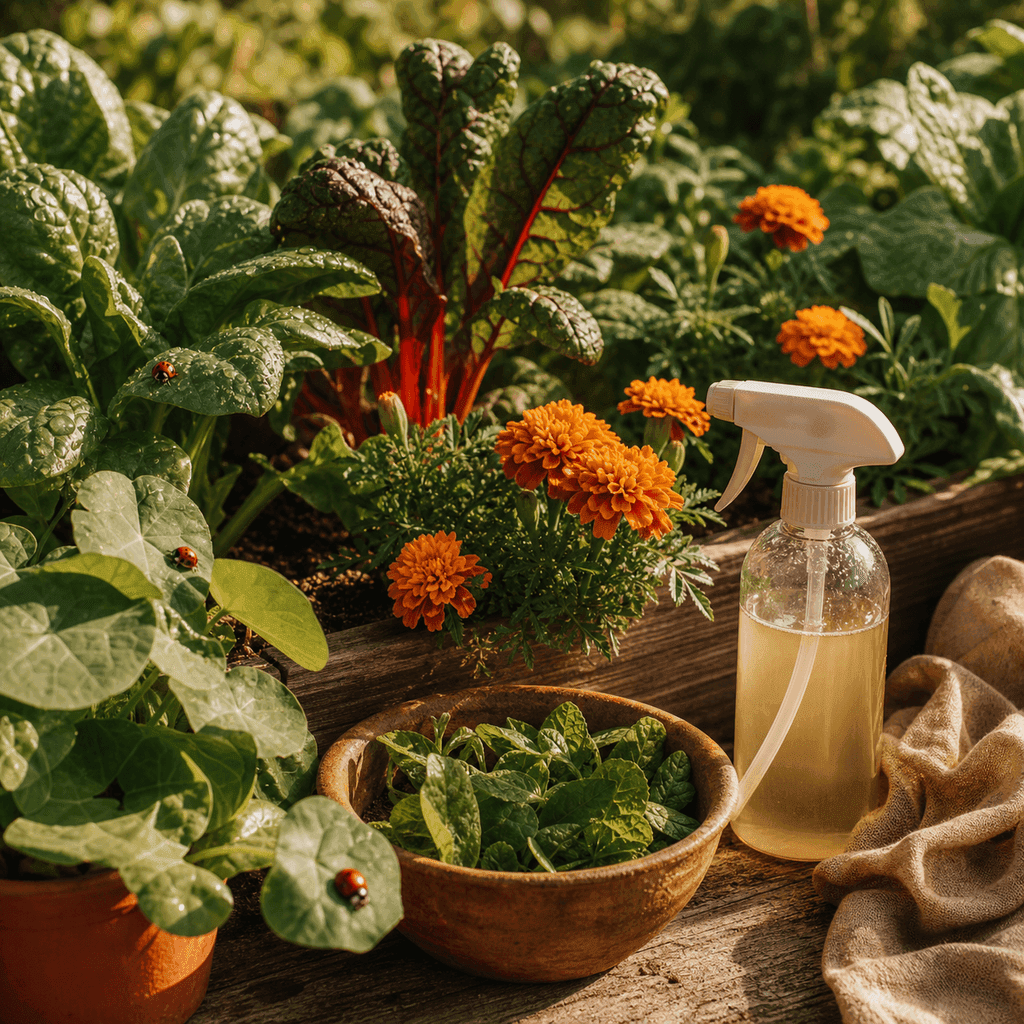
Honestly, a small herb garden might be the best low-effort sustainability swap I've ever made. Fresh herbs instead of dried, no plastic clamshell packaging, zero food miles, and this weird surge of pride when you sprinkle something you actually grew onto dinner. If you've been wondering how to start an herb garden at home, the truth is it's far easier than you'd guess.
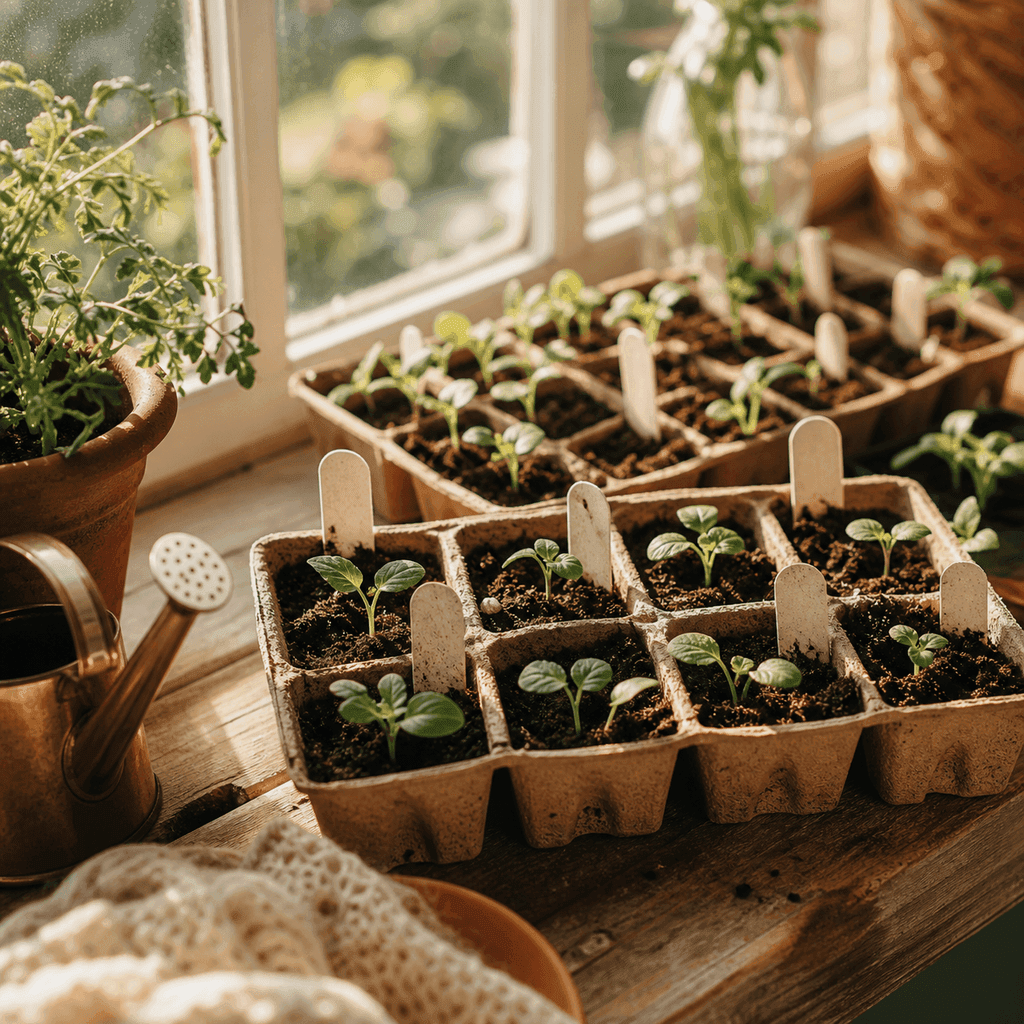
You don't need a garden, a greenhouse, or a green thumb. A sunny windowsill and a few pots will carry you a long way. Here's everything a beginner needs to get going and keep it going.
Best Herbs for Beginners
If you're just starting out, stick with basil, mint, chives, parsley, or cilantro. They're genuinely hard to mess up, and they cover most of what you actually cook with.
- Basil wants warmth and a sunny spot, full stop. Pinch the tops often and it turns bushy.
- Mint grows aggressively, so give it its own pot or it will take over everything nearby.
- Chives are nearly indestructible and come back year after year outdoors.
- Parsley is slow to start but steady and generous once established.
- Cilantro grows fast, then bolts in heat, so sow a little every few weeks.
Start with three herbs you'll actually use in the kitchen, not ten you think you should grow. Success with a few beats a windowsill full of casualties.
Light, Pots, and Soil
Most herbs are sun-lovers. They want at least six hours of direct light a day, and a south-facing window or a bright balcony is ideal. If your space is dim, a small grow light closes the gap nicely.
Drainage is the make-or-break detail beginners overlook. Herb roots rot in soggy soil, so every pot needs holes in the bottom. Use a quality potting mix, never dense garden soil, which compacts and suffocates roots in a container.
A Simple Starter Setup
- Pots at least six inches deep with drainage holes.
- Light, fluffy potting mix, not heavy topsoil.
- A saucer underneath to catch runoff and protect your sill.
Watering Without Overdoing It
More herbs die from overwatering than from neglect, which surprises almost everyone. The reliable rule is to check before you pour: stick a finger an inch into the soil, and only water when that top inch feels dry.
When you do water, water thoroughly until it runs out the drainage holes, then let the pot drain fully. Basil likes to stay a touch moister, while rosemary and thyme prefer to dry out more between drinks. Learn each plant's rhythm and you'll rarely go wrong.
Keeping It All Going
Once your herbs are established, a little routine keeps them thriving for months. Rotate the pots every few days so growth stays even instead of leaning toward the window. Feed lightly with a diluted organic fertilizer every few weeks during the growing season, since container soil runs out of nutrients faster than ground soil.
Watch for the two most common troublemakers, aphids and fungus gnats. A quick rinse under the tap handles aphids, and letting the soil dry between waterings starves out gnats.
When cilantro or basil starts to flower and stretch, that's your signal to harvest hard or start a fresh sowing. Keeping a little succession going means you're never without something green to snip.
Give it a few weeks and you'll have a small, fragrant supply line right in your kitchen, one that saves money, cuts packaging, and makes every meal taste a little more like something you made yourself.
James Carter
Composting & Soil Specialist
James is a lifelong allotment grower who's happiest with a fork in a compost heap. He covers composting, soil health, and closing the loop in the garden. More from James →