I swapped out almost all of my plastic food storage containers about two years ago, and honestly? I wish I’d done it way sooner. The food actually tastes better, those weird orange pasta stains are a distant memory, and I don’t spend half a second worrying about what’s seeping into my leftovers anymore. Here’s everything I picked up along the way.
Why Plastic Food Storage Is Worth Replacing
Even BPA-free plastic containers can leach chemicals into your food — and it gets worse when you microwave them. I used to do that every single day without thinking twice. On top of that, plastic stains, holds onto smells (anyone else have a container that permanently smells like last month’s chili?), and breaks down over time, releasing microplastics right into whatever you’re eating. Switching to glass or stainless steel isn’t just an eco move — it’s genuinely a health upgrade too.
Glass Containers: The Gold Standard
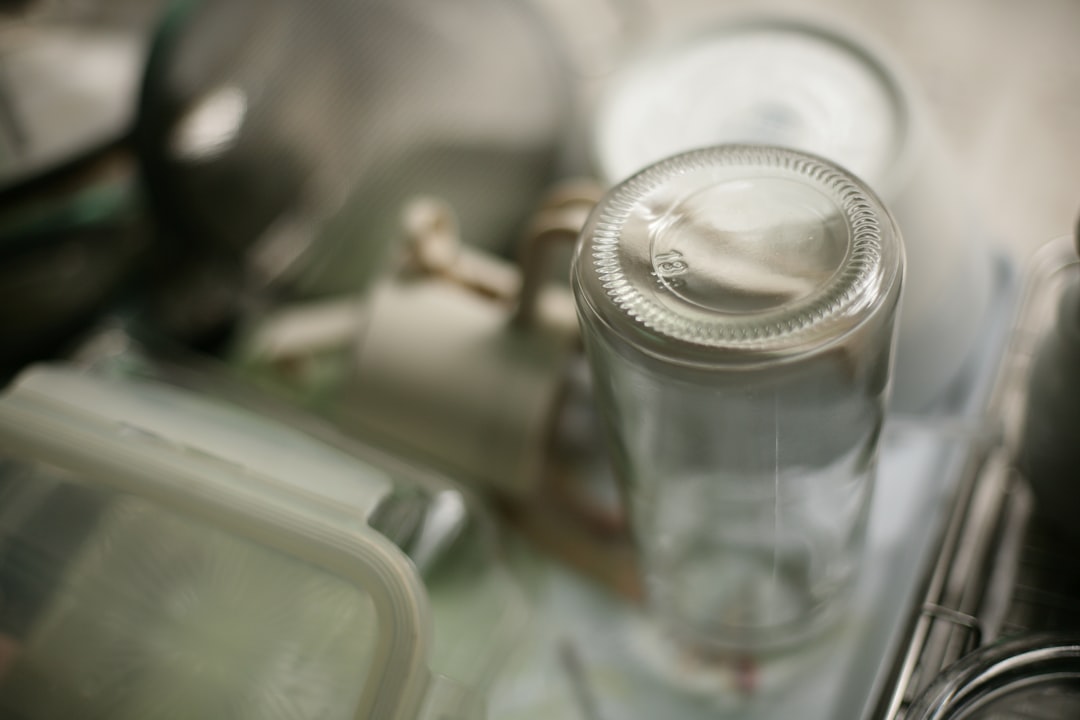
Glass is where I’d tell any friend to start. It’s completely inert, meaning nothing migrates into your food, and it goes straight into the dishwasher or microwave without a second thought — just pull the lid off first. My set has survived two years of daily use and still looks brand new. Yes, it’s heavier than plastic, and I’ve lost one lid to a tile floor, but for the fridge and pantry? Nothing beats it. This one surprised me too: reheated food in glass actually tastes cleaner. My husband noticed before I even said anything.
Stainless Steel: The Travel Option
Stainless steel is what I reach for whenever something’s leaving the house. It’s light, practically indestructible, and takes real abuse in a bag or backpack without denting or cracking. It’s been my go-to for packed lunches since I made the switch. The trade-off is that you can’t microwave it, and you do have to open it to see what’s inside — which I’ll admit gets old when you’re rifling through the fridge at 7am. But for kids’ lunches, road trips, or anything on the go, stainless is the clear winner.
Silicone Bags and Containers
Silicone kind of splits the difference between glass and stainless. It’s flexible, lighter than glass, microwave safe, and honestly the silicone bags have been a total revelation for my freezer — they lay flat, stack neatly, and take up about half the space my old plastic zip bags did. I actually tried this last winter with soups and it worked beautifully. One thing to watch for though: not all silicone is created equal. Look specifically for 100% food-grade silicone with no fillers, because cheaper versions can off-gas when heated.
How to Transition Gradually
You don’t have to overhaul your whole kitchen in one weekend. Start with a basic set of four mixed-size glass containers with lids — you can usually find a decent set for $20–$30 on Amazon or at Target, and they’ll last you ten-plus years easy. Then just replace your plastic pieces as they wear out naturally. No guilt, no big spend all at once. Within about a year of doing it that way, I looked up one day and realized my kitchen was almost entirely plastic-free. It kind of snuck up on me.
Final Thoughts
If I had to pick just one place to start, it’d be glass containers for your everyday leftovers. The difference is immediate — you’ll feel it the first time you reheat lunch and don’t have to wonder what’s been cooking along with your food. That peace of mind is worth more than I expected it to be. So what sounds most doable to you — glass, stainless, or silicone?
Check out our other eco-friendly guides.