How to Reduce Food Waste at Home: 10 Habits That Work
Learn how to reduce food waste at home with ten practical habits, from meal planning to smart storage, that save money and keep good food out of the trash.
The average American household throws away roughly $1,500 worth of food every year. When I first saw that number I had to sit with it for a minute. So I spent a whole month actually paying attention to what we were tossing, writing it down, getting a little obsessive about it, and the patterns showed up fast. Here are the ten habits that genuinely helped us reduce food waste at home.
Habit 1: Meal Plan Before You Shop
Shopping without a plan is the number one cause of food waste, full stop. Plan four or five meals for the week and build a specific list around them. This alone eliminated most of our impulse buys, the ones that used to wilt in the drawer, unused and unloved.
Habit 2: Shop Your Kitchen First
Before writing that list, take stock of what you already have. A quick pantry and fridge scan stops you from buying a third jar of mustard while last month's forgotten vegetables quietly rot in the back.
Most food waste isn't a cooking problem, it's a buying problem. Fix what lands in your cart and you fix most of what lands in your trash.
Habit 3: Create an "Eat Me First" Zone
Designate one spot at the front of your fridge for food that needs using soon. Leftovers, the half-open container, the aging berries. When it's all in one visible place, nothing hides long enough to spoil.
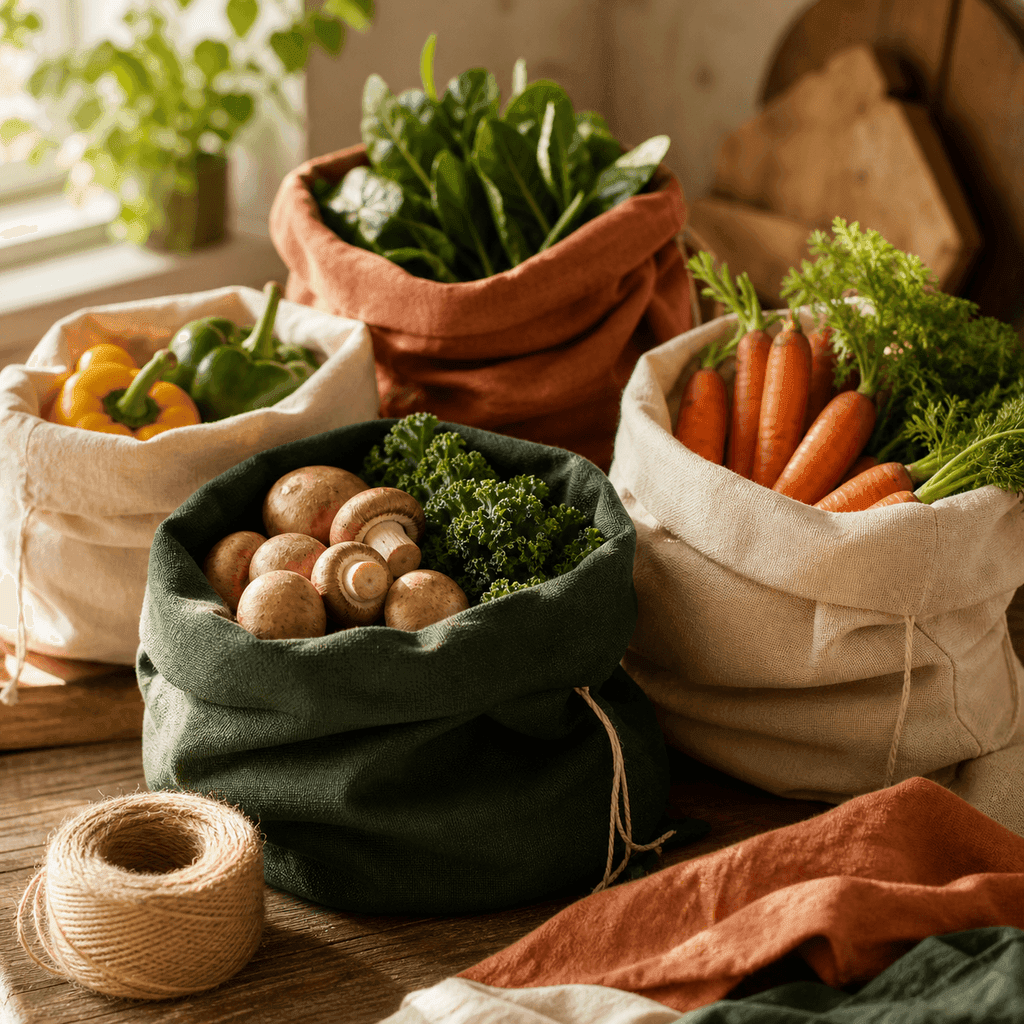
Habit 4: Store Produce the Right Way
How you store food changes how long it lasts, sometimes by a week or more.
- Keep herbs upright in a jar of water like a bouquet.
- Store onions, potatoes, and garlic in a cool, dark, dry spot, never together.
- Wait to wash berries until right before eating.
- Keep apples away from other produce, since they speed up ripening.
Habit 5: Understand Date Labels
"Best by" and "sell by" are about quality, not safety. Most foods are perfectly good past those dates. Trust your eyes and nose before you trust a printed label, and you'll rescue a surprising amount of food.
Habit 6: Embrace Your Freezer
The freezer is a pause button for food. Freeze bread you won't finish, overripe bananas for baking, herbs in oil, and portions of soup or leftovers before they turn.
Habit 7: Cook and Love Your Leftovers
Plan for leftovers instead of resenting them. Cook once, eat twice, and repurpose deliberately, so roast chicken becomes tomorrow's tacos and last night's veggies land in a frittata. Keep leftovers visible in clear containers so they don't vanish.
Habit 8: Learn to Use "Scraps"
A lot of what we throw out is perfectly usable. Wilting vegetables and peels become broth. Stale bread becomes croutons or breadcrumbs. Herb stems go into stock. Overripe fruit sweetens smoothies. Keep a scrap bag in the freezer and make stock when it's full.
Habit 9: Serve Smaller Portions
Plate less and go back for seconds if you're still hungry. Oversized portions push uneaten food straight into the trash, especially with kids. It's easier to add more than to save a half-eaten plate.
Habit 10: Compost What's Truly Left
Even with the best habits, some scraps are unavoidable, peels, cores, coffee grounds, eggshells. Composting keeps them out of the landfill, where food waste releases methane, and turns them into something useful for the garden instead.
Putting It Together
You don't need all ten habits overnight. Start with meal planning, since it stops waste before it enters your home, then layer in smart storage and an eat-me-first zone.
The month I spent tracking our trash was eye-opening, but the payoff was bigger than I expected. Learning how to reduce food waste at home didn't just help the planet; it quietly handed back a chunk of that $1,500, one saved meal at a time.
Emily Bennett
Zero-Waste Home Writer
Emily focuses on the low-waste home — refills, natural cleaning, and calm, clutter-free swaps that actually stick. She believes greener living should feel good. More from Emily →