How to Start a Zero Waste Kitchen on a Budget
Learn how to start a zero waste kitchen on a budget by using what you already own, shopping smart, and swapping disposables only as they run out.
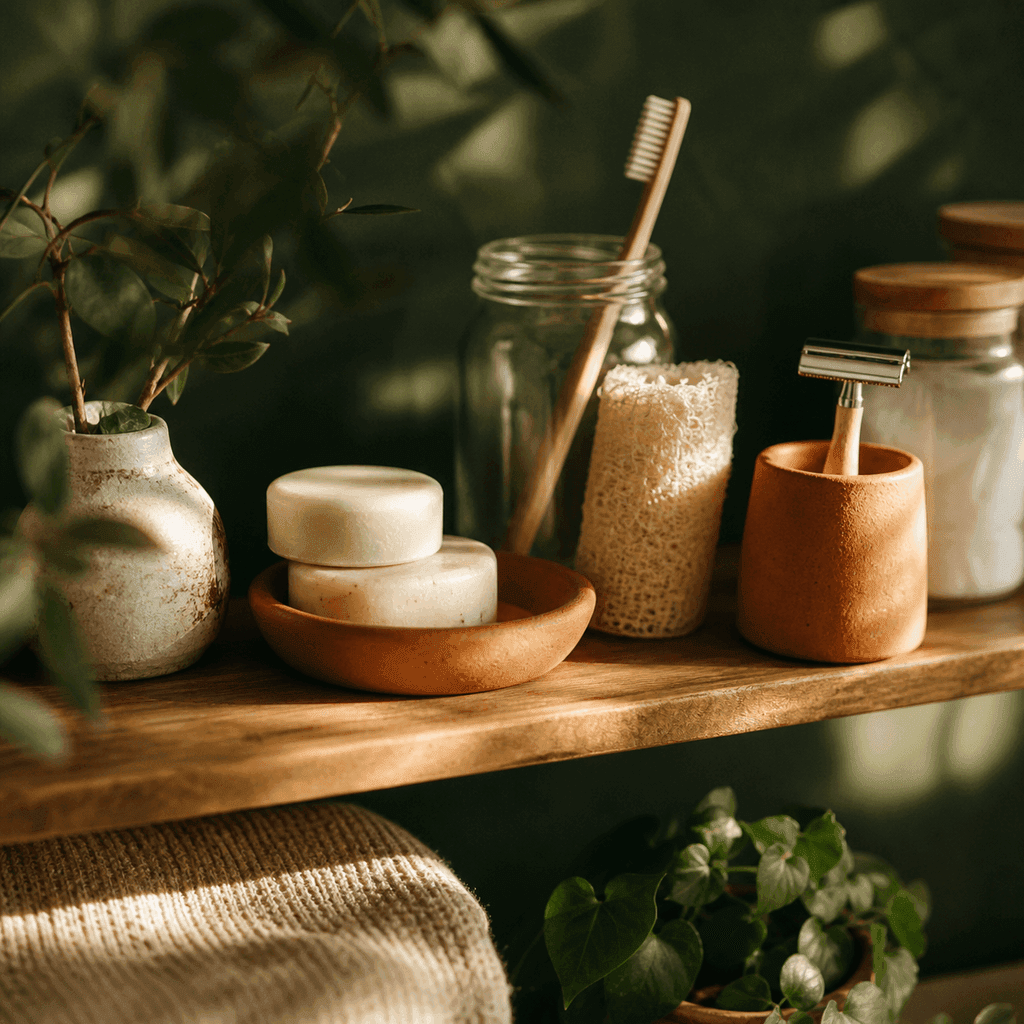
Here's the thing about zero waste living that nobody talks about enough: it doesn't have to cost you much. Yes, some reusable products carry a higher sticker price than their disposable cousins, but once you stop buying paper towels every month and plastic bags every few weeks, the math shifts fast. Learning how to start a zero waste kitchen on a budget was, for me, mostly about spending less, not more.
Start With What You Already Have
I mean this literally. Before you order a single thing online, go through your cabinets. A budget zero waste kitchen begins with a scavenger hunt, not a shopping spree.
- Glass jars: pasta sauce, pickle, and jam jars make excellent bulk-food and leftover storage once cleaned.
- Plates and bowls: a plate on top of a bowl replaces plastic wrap for free.
- Old T-shirts and towels: cut them into rags to stand in for paper towels.
- Mismatched containers: whatever you own already works; matching sets can wait.
You'll be surprised how far this alone gets you. Most of my "zero waste swaps" the first month cost nothing at all.
The most sustainable product is the one you already own. Every jar you reuse is a container you didn't buy and a bit of waste you didn't create.
The Swaps That Pay for Themselves
Some reusables cost a bit upfront but quickly earn it back. These are the ones worth prioritizing because they replace something you buy over and over.
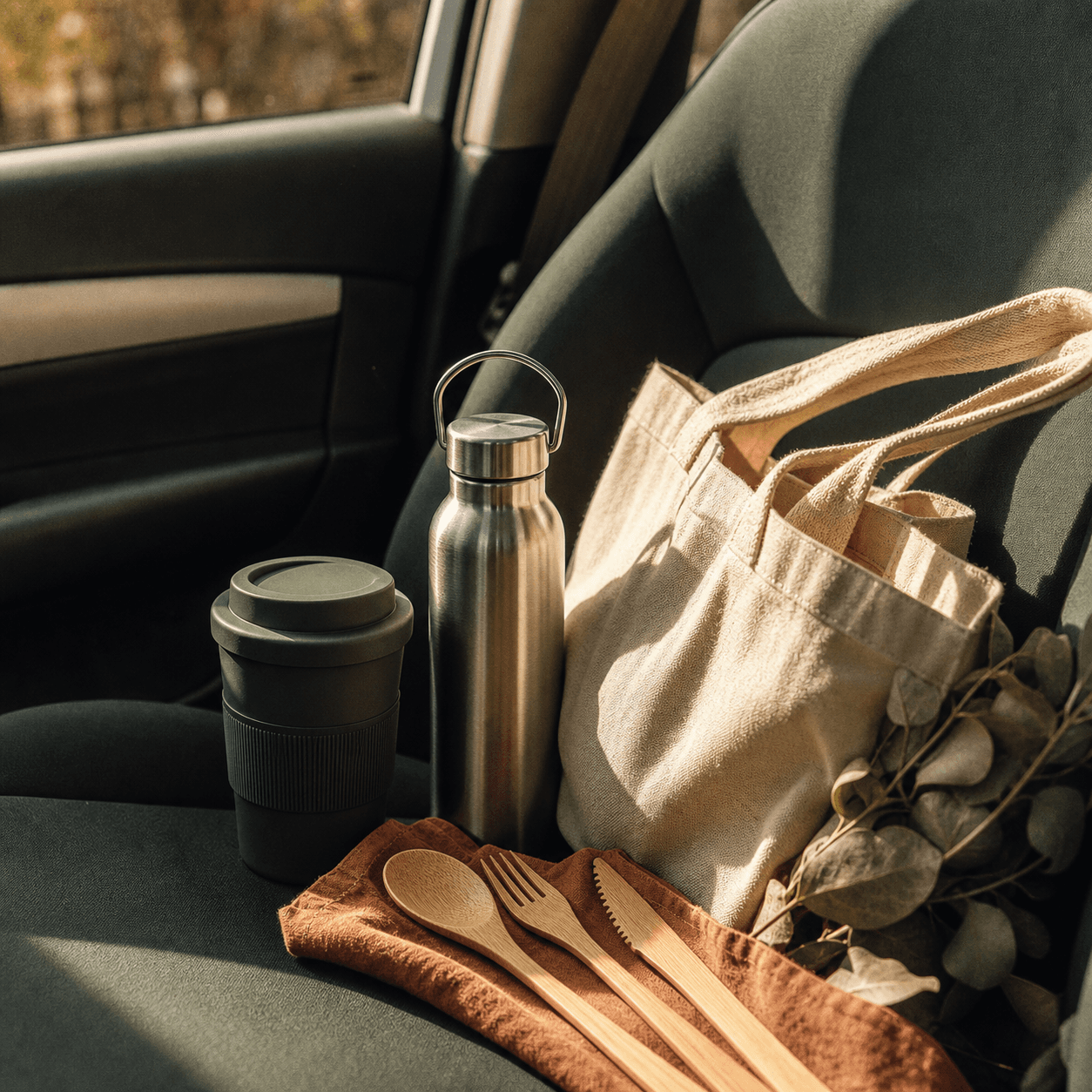
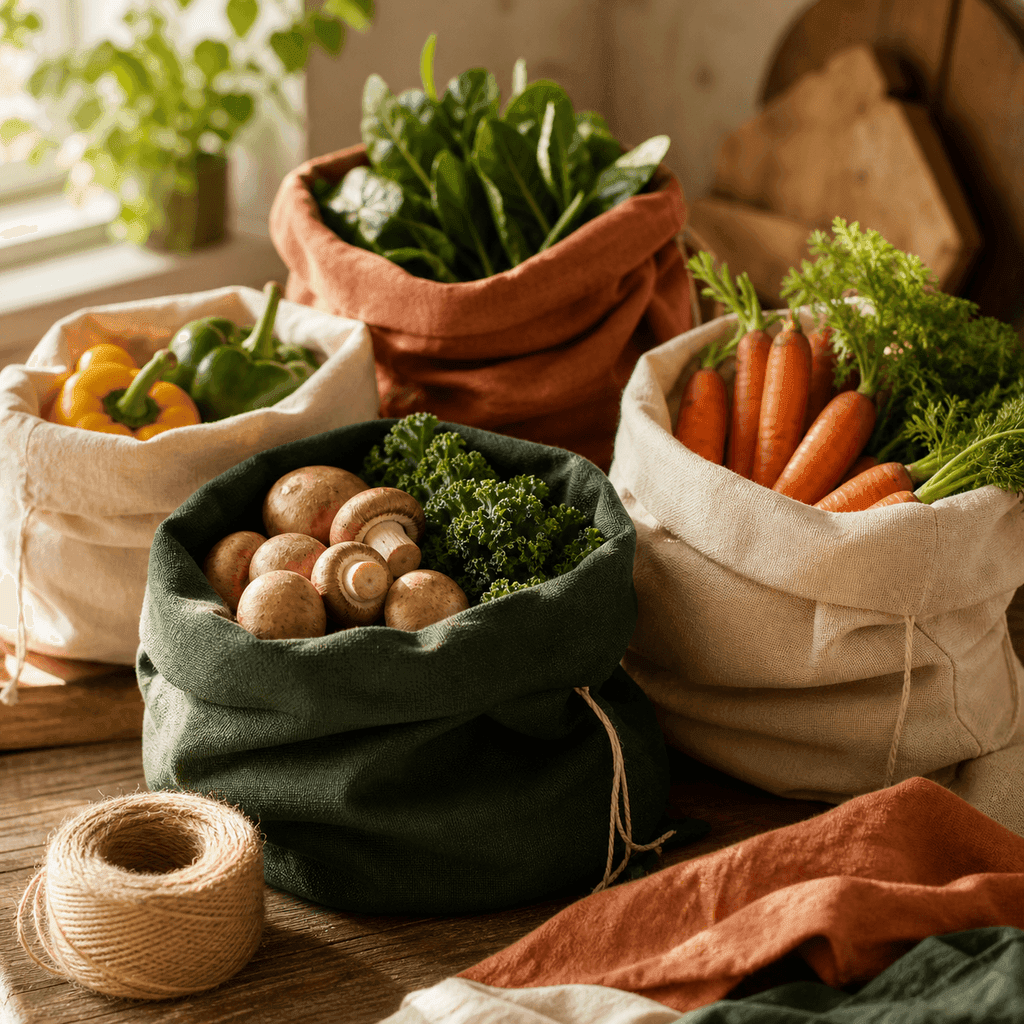
Cloth napkins and rags erase your paper towel spending. Reusable produce and grocery bags end the plastic bag cycle. A simple dish brush with a replaceable head outlasts a parade of sponges. Focus your early dollars here, where the payback is fastest, and let the rest come later.
Shop Smarter, Not Just Greener
A huge chunk of kitchen waste and spending comes from food itself, not packaging. Tightening this up costs nothing and saves the most.
Plan Before You Shop
Plan four or five meals a week and write a specific list. This kills impulse buys and the wilted-produce guilt that comes from over-shopping.
Buy in Bulk Where You Can
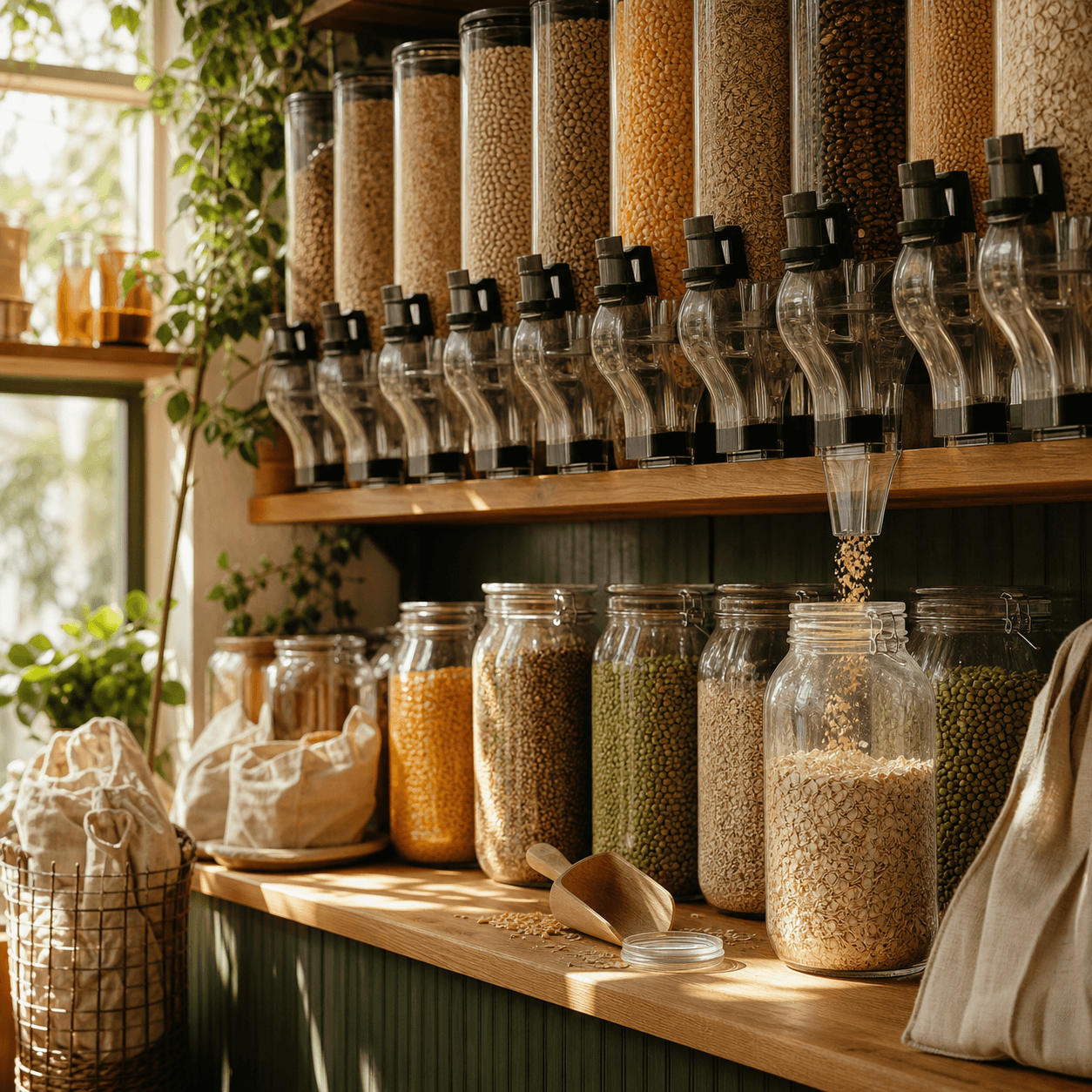
Bulk bins let you bring your own jars and buy exactly what you need, often for less per pound. If you don't have a bulk store, buying larger packages of staples like rice, oats, and beans cuts both cost and packaging.
Waste Less of What You Buy
Store produce properly, eat leftovers first, and freeze anything about to turn. Reducing food waste is quietly the biggest money-saver in the whole kitchen.
Free and Nearly-Free Habits
Some of the highest-impact changes don't involve buying anything, which is exactly why they belong in a budget approach.
- Make your own cleaners from vinegar and baking soda instead of buying sprays.
- Start a simple compost bin or countertop scrap collector.
- Save vegetable scraps in the freezer to make broth.
- Bring a reusable bag and jars you already own to the store.
The Long Game
A zero waste kitchen on a budget isn't built in a weekend, and it shouldn't be. It grows as you use up disposables, spot which reusables you actually need, and settle into habits that stick.
The real surprise is the grocery bill. Once we stopped buying paper towels, plastic bags, and packaged snacks, our spending dropped noticeably, and the reusables I did buy paid for themselves within a few months. Going low-waste didn't cost us more. Done gradually and thoughtfully, it saved us money, which is the opposite of what I expected when I started.
Emily Bennett
Zero-Waste Home Writer
Emily focuses on the low-waste home — refills, natural cleaning, and calm, clutter-free swaps that actually stick. She believes greener living should feel good. More from Emily →