Why organic food is better than conventional?
Why organic food is better than conventional? A practical look at pesticides, soil health, nutrition, and the real trade-offs worth knowing.
Every trip to the produce aisle seems to end with the same small standoff: the organic apples or the cheaper conventional ones. If you've ever paused there and wondered why organic food is better than conventional, you're asking exactly the right question. The answer isn't hype, and it isn't magic either. It's a practical set of differences worth understanding before you decide where your grocery dollars go.
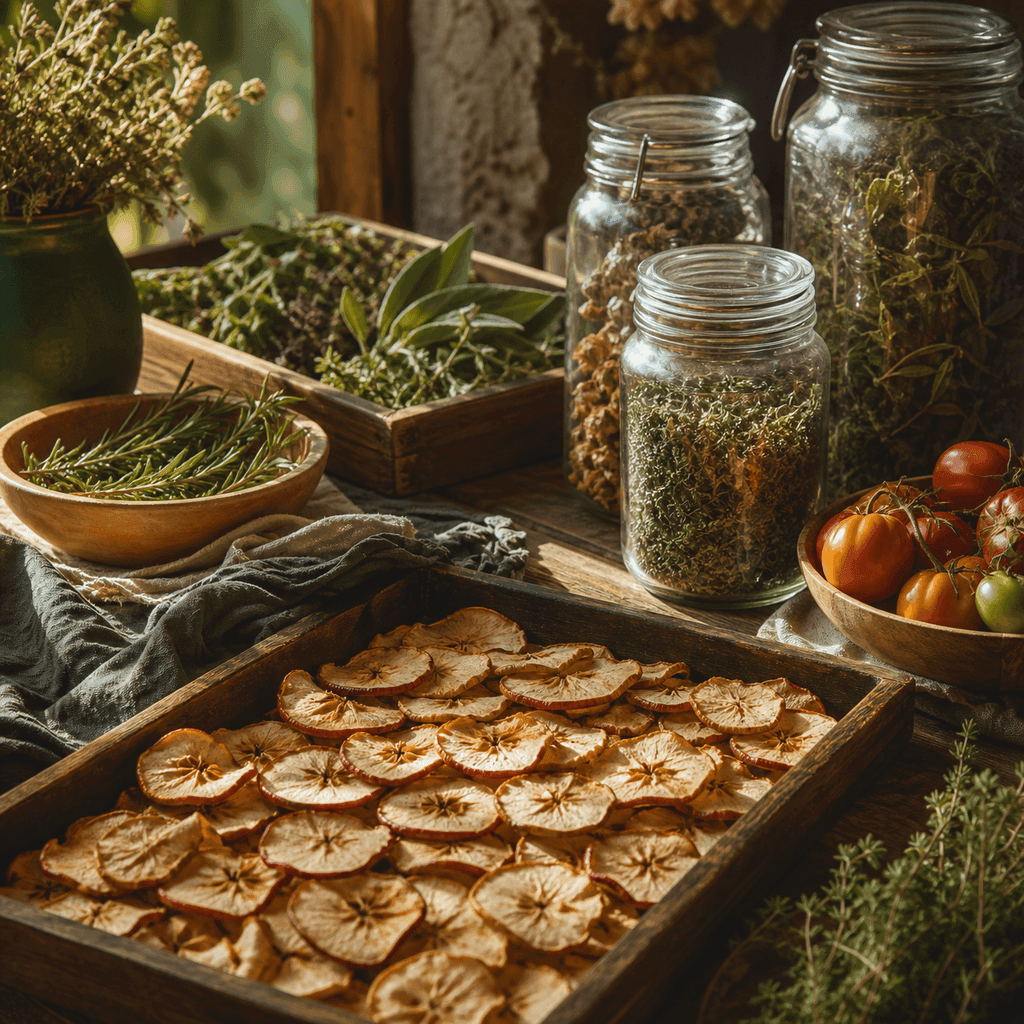
Organic food is grown and processed without synthetic pesticides, synthetic fertilizers, or genetically modified seeds, following certified standards. Picture a spread of fruit, vegetables, and grains raised the way your grandparents might recognize, and you're close to the idea.
Why Organic Food Is Better Than Conventional for Your Health
The most immediate reason people reach for organic is simple: fewer chemical residues. Conventional crops are often sprayed with synthetic pesticides and herbicides, and traces of those can linger on what you eat.
Organic standards prohibit those synthetic inputs, so certified produce carries a far lighter chemical load. For foods you eat skin-and-all, like berries, apples, and leafy greens, that reduction is especially worth having.
- Lower pesticide residues on fruits and vegetables.
- No synthetic growth hormones in certified organic dairy and meat.
- No genetically modified ingredients by definition.
You don't have to believe organic is a cure-all to appreciate a plate with fewer synthetic chemicals on it. Reducing needless exposure is just sensible, everyday caution.
Better for the Soil, Better for the Planet
Here's the part that convinced me more than any health claim. Organic farming is built around soil health rather than short-term yield. Instead of leaning on synthetic fertilizers, organic growers use compost, cover crops, and crop rotation to keep the ground alive and fertile.
That approach ripples outward in ways conventional monoculture often can't match:
- Healthier soil that holds water and stores carbon.
- Cleaner waterways, since fewer synthetic chemicals run off into streams.
- More biodiversity, from pollinators to earthworms, thriving in untreated fields.
Conventional farming's quiet cost is what its heavy inputs do downstream, degrading soil over time and pushing runoff into rivers. Organic methods work to keep that damage from happening in the first place.
What About Nutrition and Taste?
This is where honesty matters. The evidence on organic food being dramatically more nutritious is mixed, and I won't oversell it. Some studies find modestly higher levels of certain antioxidants and, in organic dairy, better fatty acid profiles, but the gap isn't enormous across the board.
Where organic often shines is freshness and flavor. Produce grown in rich, living soil and sold closer to harvest frequently just tastes more like itself. A ripe organic tomato in summer is a genuinely different experience from a pale conventional one bred to survive shipping.
The Trade-Offs Worth Knowing
Organic food usually costs more, and that's real. The higher price reflects labor-intensive practices, smaller yields, and certification costs. For many households, buying fully organic simply isn't practical, and that's okay.
The greenest, healthiest approach is rarely all-or-nothing. Choosing a few high-impact organic items, shopping seasonally, and supporting local growers all move the needle without emptying your wallet.
The Bottom Line
So, why is organic food better than conventional? Because it means fewer synthetic chemicals on your plate, healthier soil in the ground, cleaner water downstream, and more life across the farm. It won't magically transform your health overnight, and it's not always worth the premium on every single item.
But as a way of growing food that treats the land as something to nurture rather than deplete, organic earns its reputation. Buy selectively, eat seasonally, and you can enjoy real benefits for both your body and the planet, one thoughtful grocery run at a time.
Sarah Mitchell
Founder & Editor
Writer, home cook, and slightly obsessive gardener sharing small, doable ways to live a little lighter. Sarah started Earth Friendly Blogs at her own kitchen table. More from Sarah →