How to Live Close to Nature :Embracing Sustainable Living, Nurturing Trees, and Cherishing Plants
Discover how to live close to nature through sustainable living, nurturing trees, and cherishing plants, with simple daily practices to reconnect with the earth.
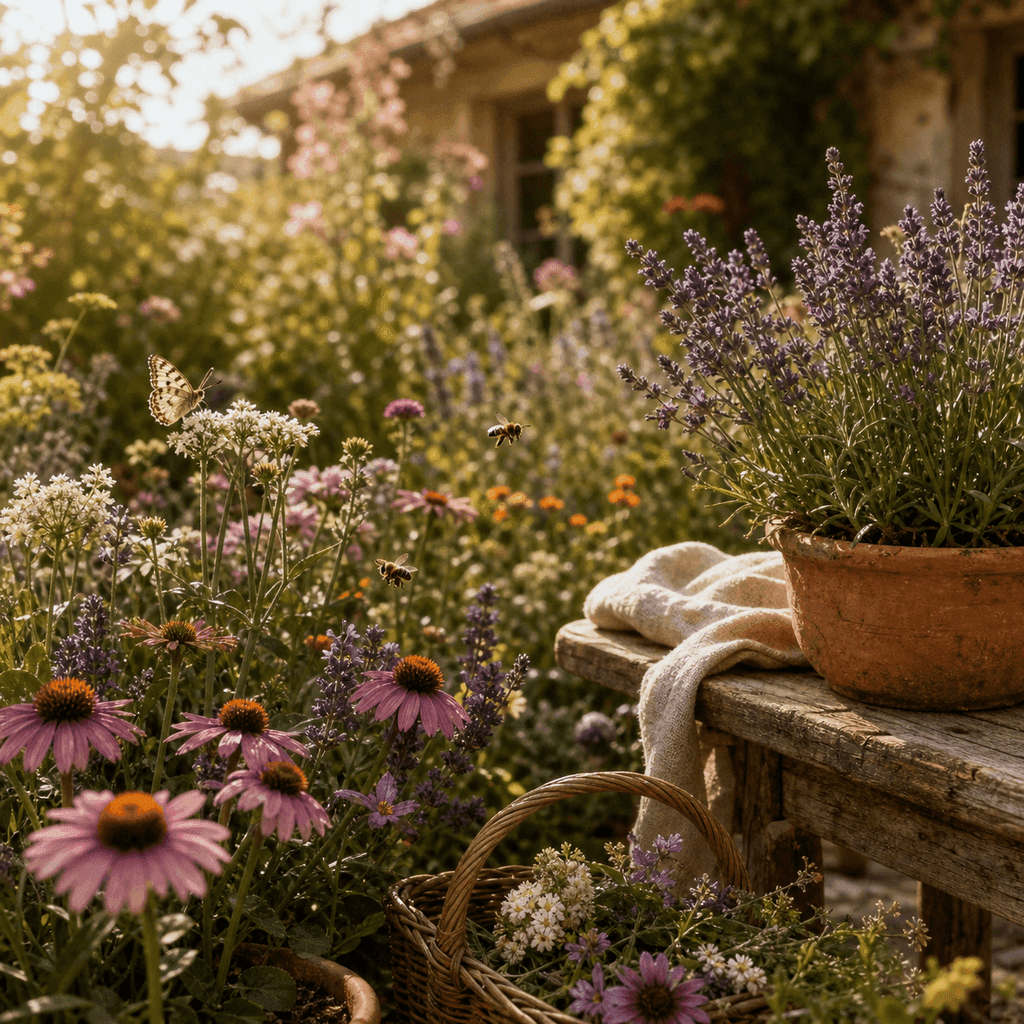
In the rush of modern life, most of us feel a quiet pull toward something older and steadier, the natural world we came from. Living close to nature isn't only a lifestyle; it's a gentle, ongoing journey of reconnection with the world around us and the seasons that move through it.
You don't have to move to a cabin in the woods to answer that call. Learning how to live close to nature is really about small, deliberate choices, filling your days with green, growing things, and treating the earth as a partner rather than a backdrop. Here's how to begin.
Create a Green Sanctuary at Home
Your living space is the easiest place to invite nature in. Even a small apartment can become a pocket of green.
- Bring in potted plants and fresh flowers that literally breathe life into your rooms.
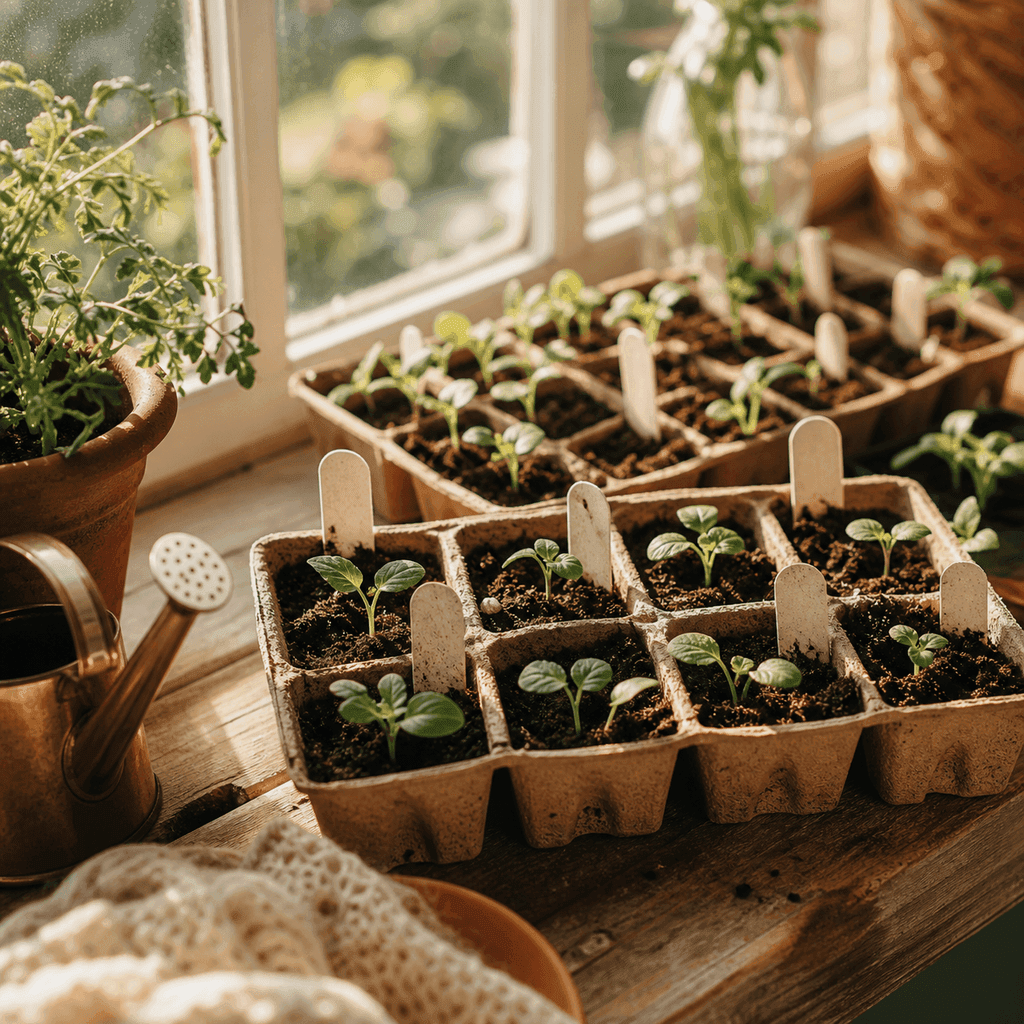
- Set up a sunny windowsill for herbs you can snip while you cook.
- Choose natural materials, wood, clay, cotton, over plastic where you can.
- Open windows for fresh air and let daylight pour in instead of reaching for a switch.
Tending these plants, watering, pruning, watching them reach for the light, builds a daily rhythm of care that quietly reconnects you with living things.
Take Mindful Walks Outdoors
There's no substitute for stepping outside. Regular time in nature does more for your mind and body than almost any indoor habit.
Take slow, mindful walks and actually notice things, the texture of bark, the sound of birds, the way light shifts through leaves. Leave the earbuds out now and then and simply pay attention. Even a neighborhood park or a tree-lined street counts.
Nature doesn't ask you to travel far to find it. It asks only that you slow down enough to notice what's already around you.
Nurture Trees and Cherish Plants
Few acts connect you to the earth more directly than caring for something rooted and long-lived. Trees, especially, are a gift to the future.
Planting and Caring for Trees
- Plant a tree in your yard, your community, or through a local group. A single tree shelters wildlife, cools the air, and stores carbon for decades.
- Care for what's already there. Water young trees through dry spells and protect their roots.
- Choose native species that thrive in your climate and support local birds and pollinators.
Plants ask for patience, and that's part of their gift. Watching a seedling become a shade tree, or nursing a struggling houseplant back to health, teaches a kind of attention the modern world rarely rewards.
Embrace Sustainable Living
Living close to nature also means living lightly on it. The two go hand in hand.
Small daily habits add up to a real reduction in your footprint:
- Reduce waste by reusing, repairing, and composting food scraps.
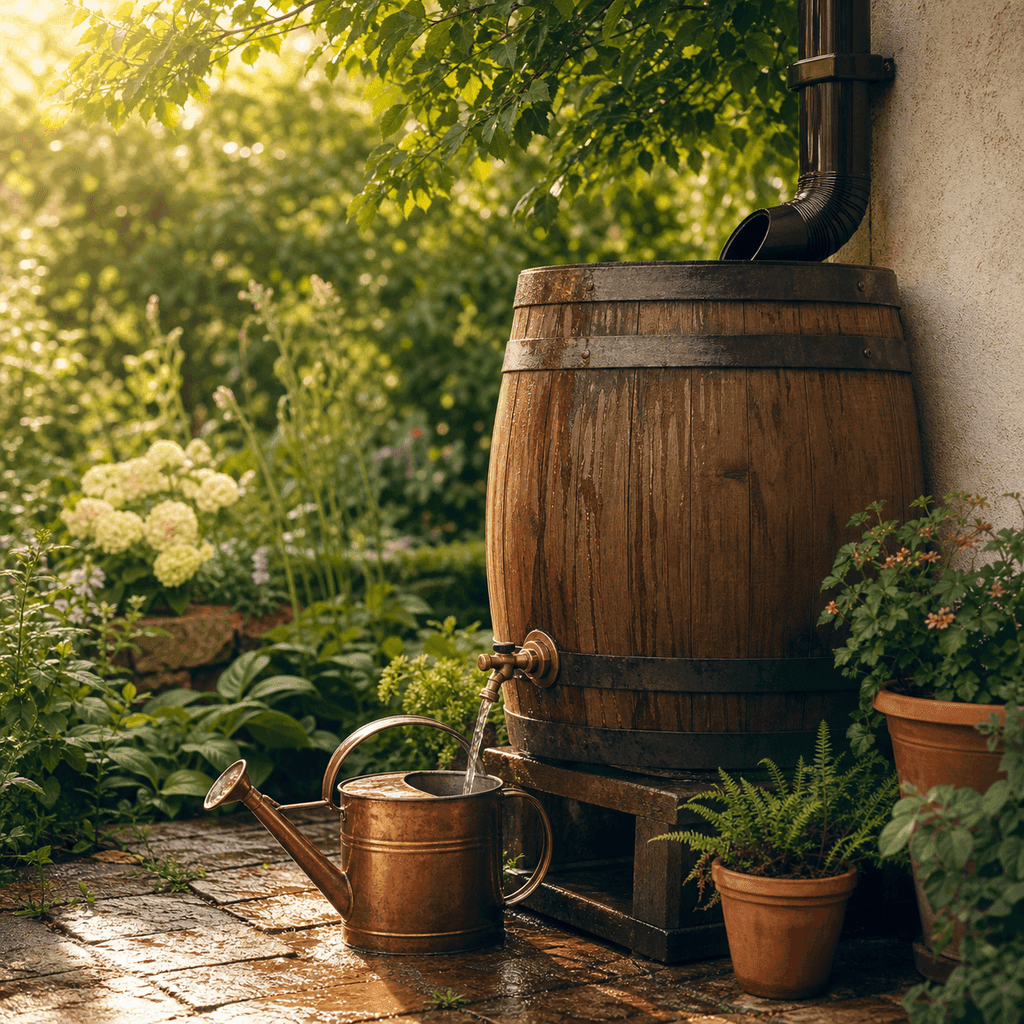
- Conserve water with shorter showers and rain barrels for the garden.
- Choose seasonal, local food that hasn't traveled halfway around the world.
- Walk, bike, or share rides when you can.
None of these require perfection. The goal is a steady drift toward habits that honor the resources nature provides.
Let Nature Shape Your Days
The deepest part of living close to nature is a shift in mindset. When you start seeing yourself as part of the natural world rather than separate from it, your choices follow naturally.
Watch the seasons instead of ignoring them. Rise and rest a little more with the light. Notice the weather, the moon, the return of migrating birds. These small acts of attention rebuild a relationship that busy modern life tends to sever.
Living close to nature isn't a destination you arrive at, it's a way of moving through the world with more care and more wonder. Begin with one green plant, one mindful walk, one tree, and let the connection deepen from there.
Sarah Mitchell
Founder & Editor
Writer, home cook, and slightly obsessive gardener sharing small, doable ways to live a little lighter. Sarah started Earth Friendly Blogs at her own kitchen table. More from Sarah →