Sustainable Eco-Friendly Tissues at Home: No 1 Easy Trick
Discover how to make sustainable eco-friendly tissue at home using recycled paper, cut waste, and save trees with one simple, repeatable trick.
Every year, households run through mountains of tissue, and almost all of it starts as freshly cut trees. That quiet, everyday waste is exactly the kind of habit that's easy to rethink once you know how simple the alternatives are.
Making sustainable eco-friendly tissue at home isn't about spinning a factory in your kitchen. It comes down to one easy trick: reuse the paper and fiber you already have instead of buying virgin product. The result is softer on the planet, gentler on your budget, and surprisingly satisfying to make.
Why Conventional Tissue Costs More Than You Think
The tissue in most bathrooms carries a hidden footprint. Understanding it makes the switch feel worthwhile.
- Trees. Standard tissue is often made from virgin wood pulp, meaning forests are cut specifically for products you use once.
- Water. Pulping and bleaching consume large amounts of water and energy.
- Waste. Used tissue heads straight to the landfill, and its packaging piles on more plastic.
Once you see tissue as a resource rather than a throwaway, the case for a homemade or reusable version gets a lot stronger.
The No. 1 Trick: Recycle Paper Into Pulp
Here's the heart of it. You can turn clean scrap paper, think junk mail, old notebooks, or packaging, into fresh, soft sheets with nothing more than water and patience.
What You'll Need
- Clean waste paper, torn into small pieces
- Warm water and a large bowl or bucket
- A blender or a sturdy whisk
- A fine screen or mesh frame
- A cloth and a flat surface for drying
The Simple Steps
- Soak the torn paper in warm water for an hour or two until it softens.
- Blend it into a smooth, runny pulp.
- Spread the pulp thinly across your mesh screen so the water drains through.
- Press out the excess moisture with a cloth.
- Dry the sheet fully, then peel it away gently.
The thinner and more evenly you spread the pulp, the softer and more tissue-like the result. It takes a little practice, but each batch keeps paper out of the trash.
The greenest tissue isn't the one you make. It's the one you never had to buy new in the first place.
An Even Easier Option: Cloth Alternatives
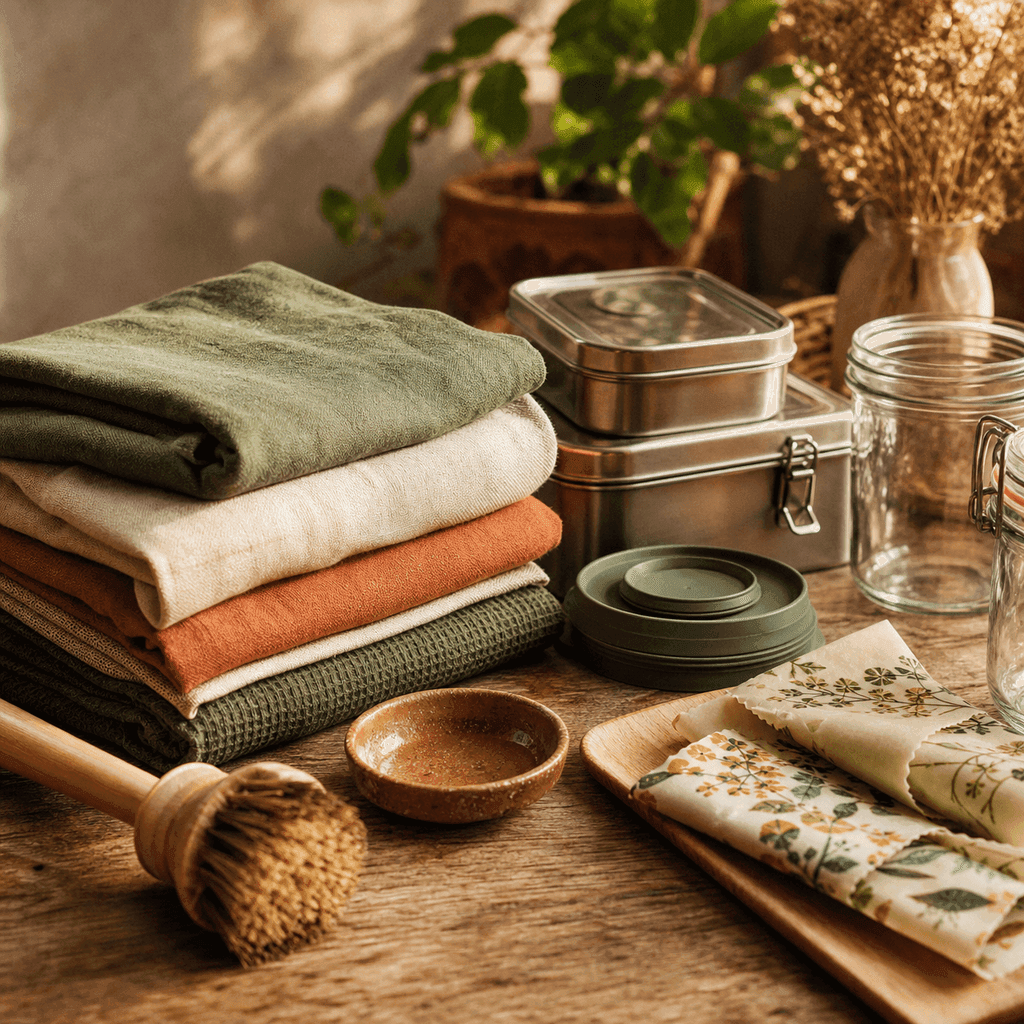
If pulp-making feels like too much, there's a lower-effort path that many households prefer for daily use. Soft cotton cloths, cut from worn shirts or old flannel, work beautifully for wiping hands, faces, and surfaces.
Keep a small basket of clean cloths where you'd normally reach for tissue, and a lined bin nearby for used ones. Wash them with your regular laundry and they'll last for years. For anything you'd rather not reuse, keep a roll of recycled-content paper tissue on hand for backup.
The Payoff: Cost, Comfort, and Impact
The benefits stack up quickly once these habits settle in. Homemade and reusable tissues trim your grocery bill, shrink the trash you set out each week, and reduce demand for virgin pulp and all the water that goes with it.
There's a community angle too. Making your own tissue is a fun, hands-on project for kids and a great way to show how everyday waste can become something useful. Share the technique with neighbors and the small savings multiply.
You won't replace every tissue in your life overnight, and you don't need to. Start with one trick, the recycled pulp or the cloth basket, and let it become second nature. That single shift keeps trees standing and turns a throwaway habit into a genuinely sustainable one.
Olivia Reed
Sustainable Kitchen Writer
Olivia writes about low-waste cooking, plastic-free storage, and getting the most out of every ingredient. She tests every swap in her own small-city kitchen. More from Olivia →